Details of Prostate Cancer Treatment Types: Complete Guide to Options, Symptoms, and Recovery

Understanding the details of prostate cancer treatment types is essential for anyone facing a diagnosis or supporting a loved one through treatment. Prostate cancer is one of the most common cancers affecting men worldwide, and advances in medical science have made treatment more personalized and effective than ever before. By learning about available treatment approaches, patients can make informed decisions together with their healthcare providers.
This guide explains prostate cancer in a clear, structured, and reader-friendly way. From causes and symptoms to diagnosis, treatment options, and long-term outlook, you will gain a comprehensive understanding of how prostate cancer is managed today. Whether you are researching prevention or exploring treatment pathways, this article aims to provide reliable and practical information.
Overview of Prostate Cancer
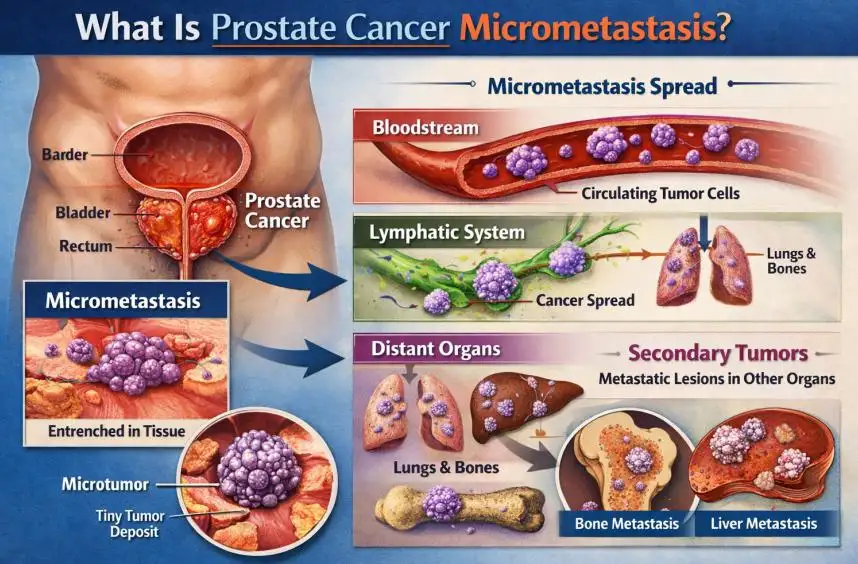
Prostate cancer develops in the prostate gland, a small organ located below the bladder in men that plays a role in producing seminal fluid. The disease often grows slowly, and many cases remain localized for years. However, some forms can be aggressive and spread to other parts of the body if not detected early.
According to global health organizations such as World Health Organization and American Cancer Society, early detection significantly improves treatment success rates. Modern screening and treatment technologies have contributed to improved survival outcomes over the past decades.
Types of Prostate Cancer
While most prostate cancers are classified as adenocarcinomas, there are several less common types. Understanding the type helps determine the most appropriate treatment plan.
| Type of Prostate Cancer | Description | Frequency |
|---|---|---|
| Adenocarcinoma | Develops in gland cells producing prostate fluid | Most common |
| Small Cell Carcinoma | Fast-growing and aggressive | Rare |
| Neuroendocrine Tumors | Develop from neuroendocrine cells | Rare |
| Transitional Cell Carcinoma | Begins in urethra lining | Very rare |
| Sarcoma | Develops from muscle or connective tissue | Extremely rare |
Causes and Risk Factors
The exact cause of prostate cancer remains unclear, but several factors increase risk:
| Risk Factor | Explanation |
|---|---|
| Age | Risk increases significantly after age 50 |
| Family History | Genetic predisposition raises likelihood |
| Genetics | Certain inherited mutations increase risk |
| Ethnicity | Some populations have higher incidence rates |
| Diet and Lifestyle | High-fat diets and obesity may contribute |
| Hormonal Factors | Testosterone levels may influence growth |
While these factors increase risk, having one or more does not guarantee cancer development.
Symptoms and Early Warning Signs
Early-stage prostate cancer often shows no symptoms. As the disease progresses, symptoms may include:
-
Frequent urination, especially at night
-
Difficulty starting or stopping urination
-
Weak urine flow
-
Blood in urine or semen
-
Erectile dysfunction
-
Pain in hips, back, or pelvis (advanced stages)
Recognizing these warning signs early encourages timely medical evaluation.
Diagnosis
Diagnosis typically involves several steps to confirm the presence and stage of cancer.
| Diagnostic Method | Purpose |
|---|---|
| PSA Blood Test | Measures prostate-specific antigen levels |
| Digital Rectal Exam (DRE) | Physical examination of prostate |
| MRI Scan | Detects abnormalities and tumor location |
| Biopsy | Confirms cancer cells under microscope |
| Bone Scan | Checks spread to bones |
Accurate diagnosis is essential for determining the most suitable treatment approach.
Treatment Options
The details of prostate cancer treatment types vary depending on cancer stage, patient age, overall health, and tumor aggressiveness. Below are the primary treatment approaches used today.
| Treatment Type | Description | Suitable For |
|---|---|---|
| Active Surveillance | Regular monitoring without immediate treatment | Slow-growing cancers |
| Surgery (Prostatectomy) | Removal of prostate gland | Localized cancer |
| Radiation Therapy | High-energy rays destroy cancer cells | Local or advanced cancer |
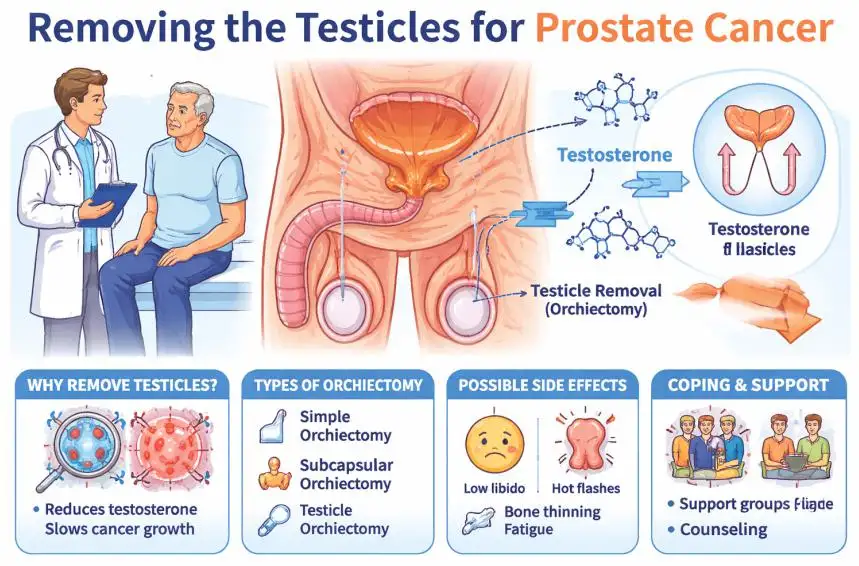
| Hormone Therapy | Reduces testosterone levels | Advanced cases |
| Chemotherapy | Uses drugs to kill cancer cells | Metastatic cancer |
| Immunotherapy | Boosts immune response against cancer | Selected cases |
| Targeted Therapy | Targets specific cancer mutations | Advanced or resistant cancer |
Doctors often combine treatments to achieve optimal results.
Prevention and Lifestyle Recommendations
Although prostate cancer cannot always be prevented, certain lifestyle choices may help reduce risk:
-
Maintain a healthy body weight
-
Eat a diet rich in fruits, vegetables, and whole grains
-
Reduce consumption of processed and high-fat foods
-
Exercise regularly
-
Schedule routine health screenings after age 50
-
Avoid smoking and limit alcohol intake
Healthy habits also improve recovery and overall quality of life during treatment.
Prognosis and Survival Rates
Prognosis depends largely on how early the cancer is detected. Localized prostate cancer has a very high survival rate, with many patients living long and healthy lives after treatment. When cancer spreads beyond the prostate, treatment becomes more complex but still manageable with modern therapies.
Advancements in early detection and treatment strategies continue to improve long-term outcomes worldwide.
Latest Research and Innovations
Medical research continues to improve the details of prostate cancer treatment types. Current innovations include:
-
Precision medicine based on genetic testing
-
Advanced robotic-assisted surgery
-
New-generation hormone therapies
-
PSMA-targeted imaging and therapy
-
Improved immunotherapy approaches
Institutions such as Mayo Clinic and National Cancer Institute are actively involved in developing new treatment strategies that aim to improve effectiveness while reducing side effects.
Coping and Support for Patients
A prostate cancer diagnosis affects both physical and emotional well-being. Patients benefit greatly from:
-
Support groups and counseling
-
Open communication with family members
-
Professional mental health support
-
Rehabilitation programs for recovery after treatment
-
Education about treatment expectations and side effects
Emotional support plays a significant role in improving recovery and overall resilience.
Conclusion
Understanding the details of prostate cancer treatment types empowers patients and families to make informed healthcare decisions. With early detection, modern treatment options, and continuous medical innovation, prostate cancer is increasingly manageable. By combining medical care, healthy lifestyle choices, and emotional support, many patients achieve positive outcomes and maintain a good quality of life.
FAQ
1. What is the most common treatment for prostate cancer?
Treatment depends on cancer stage, but surgery, radiation therapy, and active surveillance are among the most common options.
2. Can prostate cancer be cured completely?
Yes, especially when detected early and confined to the prostate gland.
3. Is prostate cancer treatment painful?
Most treatments are managed with modern pain control methods, and discomfort varies depending on the therapy used.
4. How long does recovery take after treatment?
Recovery time varies from weeks to months depending on treatment type and individual health conditions.
5. Can lifestyle changes help during treatment?
Yes, a balanced diet, regular exercise, and emotional support can improve treatment tolerance and recovery outcomes.