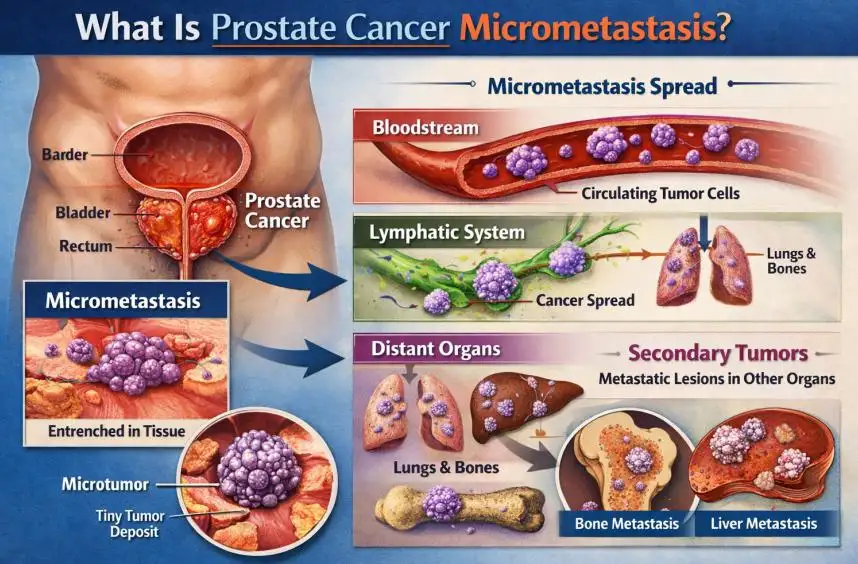
Removing the Testicles for Prostate Cancer: Complete Guide to Surgical Hormone Therapy
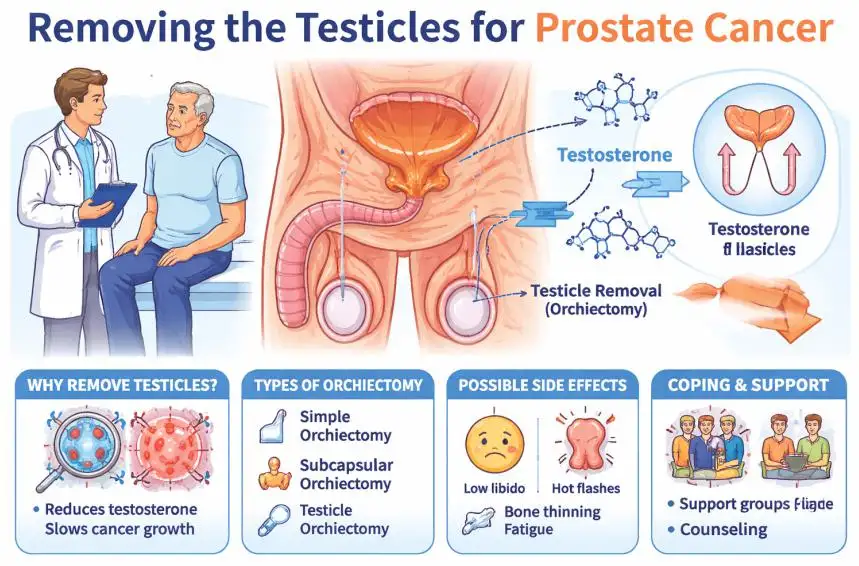
Prostate cancer is one of the most commonly diagnosed cancers in men worldwide. As the disease develops, many treatment approaches focus on reducing the influence of male hormones that help cancer cells grow. One of the oldest and most effective methods for achieving this is removing the testicles for prostate cancer, a surgical procedure that dramatically lowers testosterone levels in the body.
Although modern medications can also reduce hormone levels, surgical removal of the testicles, known medically as orchiectomy, remains a reliable and cost-effective option for many patients. Understanding how this procedure works, when it is recommended, and what patients can expect can help men make informed decisions about their treatment journey.
Overview
Removing the testicles for prostate cancer is a surgical treatment used to lower testosterone levels, which prostate cancer cells often rely on for growth. This approach is part of a broader treatment strategy called androgen deprivation therapy (ADT).
Testosterone is primarily produced in the testicles. By removing them, doctors can significantly reduce hormone production, slowing or stopping the progression of hormone-sensitive prostate cancer.
This procedure is usually recommended for:
-
Advanced prostate cancer
-
Metastatic prostate cancer
-
Hormone-sensitive prostate cancer that has spread
-
Patients who cannot tolerate long-term hormone medications
Because the operation permanently reduces testosterone, it is considered a long-term hormonal treatment option.
Quick Overview Table
| Aspect | Details |
|---|---|
| Medical name | Orchiectomy |
| Purpose | Reduce testosterone production |
| Treatment type | Surgical hormone therapy |
| Typical procedure time | 30–60 minutes |
| Hospital stay | Often outpatient |
| Main benefit | Immediate testosterone reduction |
Types
There are several surgical techniques used when removing the testicles for prostate cancer. Each approach aims to reduce testosterone levels while minimizing surgical impact.
1. Simple Orchiectomy
The most common method where both testicles are removed through a small incision in the scrotum.
2. Subcapsular Orchiectomy
Only the inner tissue of the testicles is removed while leaving the outer structure. This can help maintain a more natural appearance.
3. Radical Orchiectomy
Typically used for testicular cancer but may occasionally be used when prostate cancer treatment overlaps with other conditions.
Comparison of Procedures
| Procedure | Description | Cosmetic Impact |
|---|---|---|
| Simple Orchiectomy | Entire testicles removed | Visible change |
| Subcapsular Orchiectomy | Inner tissue removed | Less visible change |
| Radical Orchiectomy | Removal through groin incision | Moderate |
Causes and Risk Factors
Removing the testicles for prostate cancer is not performed for prevention but as a treatment strategy when cancer growth depends heavily on testosterone.
Doctors usually recommend this option when prostate cancer becomes advanced or spreads beyond the prostate gland.
Common risk factors for developing prostate cancer include:
-
Age over 50
-
Family history of prostate cancer
-
Genetic mutations (such as BRCA genes)
-
High-fat diet
-
Obesity
-
Hormonal imbalance
-
African ancestry
When these risk factors lead to aggressive or metastatic disease, hormone suppression treatments like orchiectomy may become necessary.
Symptoms and Early Warning Signs
Early prostate cancer often produces few or no symptoms, which is why regular screening is important.
Common symptoms that may appear as the disease progresses include:
-
Difficulty urinating
-
Weak urine stream
-
Frequent nighttime urination
-
Blood in urine or semen
-
Erectile dysfunction
-
Pain in the hips, pelvis, or back
-
Unexplained weight loss
When cancer spreads, hormone therapy—including removing the testicles for prostate cancer—may become part of the treatment plan.
Diagnosis
Diagnosing prostate cancer involves several medical tests and evaluations.
Common Diagnostic Methods
| Test | Purpose |
|---|---|
| PSA Blood Test | Measures prostate-specific antigen levels |
| Digital Rectal Exam (DRE) | Physical examination of prostate |
| Prostate Biopsy | Confirms cancer cells |
| MRI or CT Scan | Determines tumor size and spread |
| Bone Scan | Detects cancer spread to bones |
Once the stage of cancer is confirmed, doctors determine whether hormone therapy or surgical options like orchiectomy are appropriate.
Treatment Options
Removing the testicles for prostate cancer is just one of several available treatment approaches.
Common Treatments
| Treatment | Purpose |
|---|---|
| Active Surveillance | Monitoring slow-growing cancers |
| Surgery (Prostatectomy) | Removal of the prostate gland |
| Radiation Therapy | Targeted destruction of cancer cells |
| Hormone Therapy | Reduce testosterone levels |
| Chemotherapy | Treat advanced cancer |
| Targeted Therapy | Precision cancer treatment |
Benefits of Orchiectomy
-
Immediate testosterone reduction
-
No need for continuous hormone injections
-
Lower long-term treatment cost
-
Effective for advanced prostate cancer
Possible Side Effects
-
Reduced libido
-
Erectile dysfunction
-
Hot flashes
-
Bone thinning
-
Fatigue
-
Emotional changes
Doctors often discuss these effects thoroughly with patients before surgery.
Prevention and Lifestyle Recommendations
Although removing the testicles for prostate cancer treats existing disease, lifestyle changes can help reduce cancer risk and support overall health.
Recommended lifestyle habits include:
-
Eating a diet rich in fruits and vegetables
-
Maintaining a healthy weight
-
Exercising regularly
-
Limiting red and processed meat
-
Avoiding tobacco use
-
Reducing alcohol consumption
-
Attending regular medical checkups
These steps may help lower cancer risk and improve treatment outcomes.
Prognosis and Survival Rates
The prognosis for prostate cancer varies widely depending on the stage at diagnosis.
Approximate Survival Rates
| Stage | 5-Year Survival Rate |
|---|---|
| Localized | Nearly 100% |
| Regional Spread | Nearly 100% |
| Distant Metastasis | Around 30% |
When prostate cancer becomes advanced, removing the testicles for prostate cancer can significantly slow disease progression and extend survival.
Many patients live for years after starting hormone therapy, especially when combined with other treatments.
Latest Research and Innovations
Prostate cancer treatment is rapidly evolving, and researchers continue to develop new therapies that improve outcomes and reduce side effects.
Recent innovations include:
-
Next-generation hormone therapies
-
Immunotherapy treatments
-
Targeted molecular therapies
-
Precision radiation techniques
-
Genetic testing for personalized treatment
Some modern drugs can suppress testosterone without surgery, giving patients additional choices alongside procedures like orchiectomy.
Coping and Support for Patients
A diagnosis of prostate cancer can be emotionally challenging, especially when treatments affect hormones and masculinity.
Support strategies include:
-
Counseling or therapy
-
Prostate cancer support groups
-
Open communication with partners
-
Physical activity to manage fatigue
-
Nutritional counseling
-
Bone health monitoring
Emotional support is an important part of recovery and long-term wellbeing.
Conclusion
Removing the testicles for prostate cancer is a well-established treatment that effectively lowers testosterone levels and slows the growth of hormone-dependent cancer cells. While the idea of surgery can be intimidating, the procedure is relatively simple, fast, and often highly effective in managing advanced prostate cancer.
Patients should carefully discuss all available treatment options with their healthcare team. By understanding the benefits, risks, and alternatives, men can make informed decisions that support both longevity and quality of life.
FAQ
1. What is removing the testicles for prostate cancer called?
The procedure is called orchiectomy, a surgery that removes one or both testicles to reduce testosterone production.
2. Why does prostate cancer treatment involve removing the testicles?
Most prostate cancers grow in response to testosterone. Removing the testicles significantly lowers hormone levels and slows cancer growth.
3. Is orchiectomy better than hormone injections?
Both treatments reduce testosterone. Surgery provides a permanent solution, while injections require ongoing treatment.
4. Is the procedure painful?
The surgery is usually performed under anesthesia, and most patients experience mild discomfort during recovery.
5. Can a man live normally after orchiectomy?
Yes. Many men continue to live full lives after the procedure, although hormone-related side effects may occur.
6. How long does recovery take?
Most patients recover within a few weeks and can resume normal activities shortly after surgery.