What Does Extracapsular Extension in Prostate Cancer Mean? Understanding Causes, Diagnosis, Treatment, and Prognosis

When you or a loved one receives a prostate cancer diagnosis, medical terms can quickly become overwhelming. One phrase that often raises concern is extracapsular extension. Understanding what extracapsular extension in prostate cancer means is important because it helps determine how far the cancer has spread and influences treatment decisions. By learning more about this condition, you can better communicate with healthcare providers and make informed choices about care.
In simple terms, extracapsular extension refers to prostate cancer that has grown beyond the outer layer of the prostate gland. While this may sound alarming, many patients still have effective treatment options and favorable outcomes depending on how early the condition is detected and managed. This article explains the concept clearly, covering causes, symptoms, diagnosis, treatment options, and the latest medical developments.
Overview
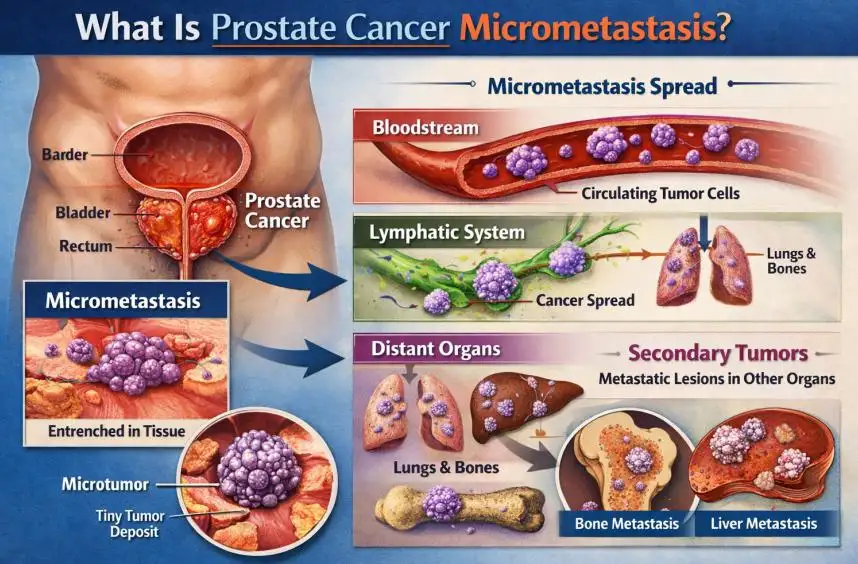
Extracapsular extension (ECE), sometimes called extraprostatic extension, occurs when prostate cancer cells spread through the prostate capsule into nearby tissues. The prostate is surrounded by a thin layer of tissue known as the capsule, and cancer confined within this boundary is generally easier to treat.
When extracapsular extension develops, the cancer is considered more advanced locally, but it does not necessarily mean the disease has spread to distant organs. Doctors use the presence or absence of ECE as an important factor when staging prostate cancer and determining prognosis.
Key points about extracapsular extension in prostate cancer:
| Aspect | Description |
|---|---|
| Definition | Cancer growth beyond the prostate capsule |
| Cancer Stage Impact | Often associated with stage T3 disease |
| Treatment Influence | May require combined or more aggressive treatment |
| Prognostic Value | Higher risk of recurrence compared to confined cancer |
Types
Extracapsular extension can vary in severity. Doctors typically classify it based on how far cancer has spread beyond the prostate.
| Type | Description |
|---|---|
| Microscopic ECE | Cancer cells extend slightly beyond the capsule, visible only under a microscope |
| Macroscopic ECE | Cancer growth beyond the capsule is visible through imaging or during surgery |
| Focal ECE | Limited extension in a small area |
| Extensive ECE | Cancer spreads widely outside the prostate boundary |
Understanding the type helps guide treatment planning and predict outcomes more accurately.
Causes and Risk Factors
Extracapsular extension develops as prostate cancer progresses and becomes more aggressive. Several factors increase the likelihood of ECE:
-
High prostate-specific antigen (PSA) levels
-
High Gleason score indicating aggressive cancer cells
-
Larger tumor size
-
Advanced tumor stage at diagnosis
-
Delayed detection or untreated cancer
-
Family history of prostate cancer
-
Older age
According to organizations such as the American Cancer Society, early detection significantly reduces the risk of cancer spreading beyond the prostate.
Symptoms and Early Warning Signs
In many cases, extracapsular extension itself does not cause specific symptoms. Symptoms are often similar to those of prostate cancer in general and may include:
-
Difficulty urinating
-
Weak urine flow
-
Frequent urination, especially at night
-
Blood in urine or semen
-
Pelvic discomfort
-
Erectile dysfunction
Because symptoms may be mild or absent in early stages, routine screening plays an important role in early identification.
Diagnosis
Doctors use several tools to determine whether extracapsular extension in prostate cancer is present.
| Diagnostic Method | Purpose |
|---|---|
| PSA Blood Test | Measures prostate-specific antigen levels |
| Digital Rectal Exam (DRE) | Detects abnormalities in prostate shape or firmness |
| MRI Scan | Helps identify cancer spread beyond the capsule |
| Prostate Biopsy | Confirms cancer and evaluates aggressiveness |
| Pathology After Surgery | Most accurate confirmation of ECE |
Multiparametric MRI has become especially valuable in detecting possible extracapsular extension before surgery.
Treatment Options
Treatment depends on the extent of cancer spread, patient health, and personal preferences. Common treatment approaches include:
-
Radical prostatectomy (surgical removal of the prostate)
-
Radiation therapy
-
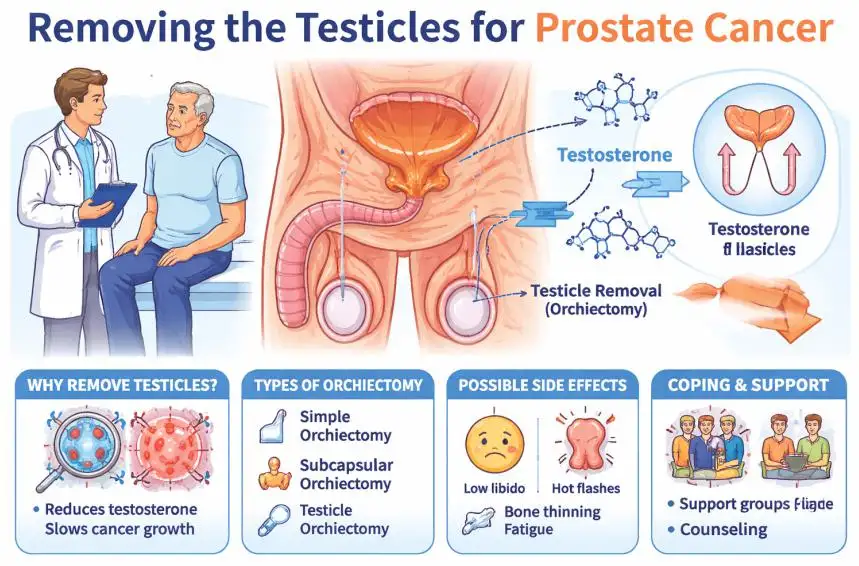
Hormone therapy (androgen deprivation therapy)
-
Combination therapy (surgery plus radiation or hormone therapy)
-
Active surveillance in selected cases
Healthcare providers may recommend multimodal treatment when extracapsular extension is present to reduce recurrence risk.
Prevention and Lifestyle Recommendations
While prostate cancer cannot always be prevented, certain lifestyle choices may lower risk or support overall prostate health:
-
Maintain a healthy weight
-
Eat a diet rich in vegetables and fruits
-
Reduce processed and high-fat foods
-
Exercise regularly
-
Avoid smoking
-
Attend regular medical screenings after age 50 or earlier if high risk
Healthy habits may not eliminate risk but can improve treatment tolerance and overall wellbeing.
Prognosis and Survival Rates
The prognosis for patients with extracapsular extension varies depending on several factors:
-
Gleason score
-
PSA level at diagnosis
-
Lymph node involvement
-
Response to treatment
-
Overall health
Many patients with localized extracapsular extension still achieve long-term cancer control, especially with early treatment. Advances in imaging and therapy have improved survival outcomes significantly in recent years.
Latest Research and Innovations
Medical research continues to improve how extracapsular extension is detected and treated. Current innovations include:
-
Advanced MRI imaging techniques for better staging
-
Precision radiation therapy targeting cancer while sparing healthy tissue
-
Genomic testing to predict cancer behavior
-
Targeted therapies under clinical investigation
Research supported by institutions like the National Cancer Institute aims to personalize treatment strategies based on individual tumor characteristics.
Coping and Support for Patients
A prostate cancer diagnosis can affect emotional and mental wellbeing as much as physical health. Patients often benefit from:
-
Counseling or psychological support
-
Patient support groups
-
Open communication with family and caregivers
-
Education about treatment expectations
-
Stress management techniques such as meditation or light exercise
Support networks play a crucial role in improving quality of life during treatment and recovery.
Conclusion
Understanding what extracapsular extension in prostate cancer means helps patients and families navigate diagnosis and treatment with greater confidence. Although extracapsular extension indicates that cancer has spread beyond the prostate capsule, it does not eliminate the possibility of successful treatment. With early detection, appropriate therapy, and ongoing medical advancements, many individuals continue to live long and healthy lives after diagnosis.
FAQ
1. What does extracapsular extension in prostate cancer mean?
It means cancer has spread beyond the outer capsule of the prostate into nearby tissues but may still be locally confined.
2. Is extracapsular extension considered advanced cancer?
It is considered locally advanced but not necessarily metastatic cancer.
3. Can extracapsular extension be cured?
Many cases can be effectively treated, especially when detected early and managed with appropriate therapy.
4. Does extracapsular extension always require radiation therapy?
Not always. Treatment depends on individual risk factors and may include surgery, radiation, or combined approaches.
5. How is extracapsular extension detected before surgery?
Multiparametric MRI and biopsy results help doctors estimate the likelihood of extracapsular extension before treatment.