What Is Prostate Cancer Micrometastasis? Understanding Early Spread, Detection, and Treatment
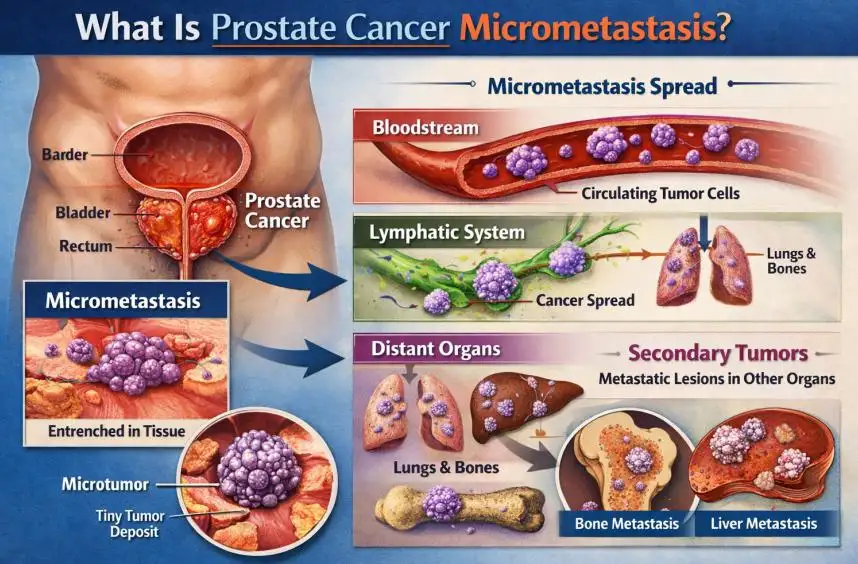
Prostate cancer remains one of the most commonly diagnosed cancers among men worldwide. While many cases grow slowly and remain confined to the prostate gland, some cancer cells can spread at a very early stage in ways that are difficult to detect through standard imaging. This condition is known as prostate cancer micrometastasis, and understanding it is crucial for patients, caregivers, and anyone seeking clarity about prostate cancer progression.
If you or someone you know has been diagnosed with prostate cancer, learning about micrometastasis can help you better understand treatment decisions, prognosis, and monitoring strategies. In this article, we will explain what prostate cancer micrometastasis is, how it develops, how it is detected, and what modern medicine is doing to manage it effectively.
Overview
What is prostate cancer micrometastasis? Prostate cancer micrometastasis refers to tiny clusters of cancer cells that have spread from the original tumor to other parts of the body but are too small to be detected using conventional imaging methods such as CT scans or standard bone scans.
These microscopic cancer cells may travel through the bloodstream or lymphatic system and settle in distant tissues, commonly lymph nodes or bones. Although invisible in early imaging, micrometastases can influence treatment planning because they may later develop into detectable metastatic disease if not managed properly.
Understanding micrometastasis helps explain why some patients experience cancer recurrence even after successful prostate surgery or radiation therapy.
Types of Prostate Cancer Micrometastasis
Prostate cancer micrometastasis is generally classified based on where the microscopic cancer cells are found:
| Type | Description | Common Locations |
|---|---|---|
| Lymph Node Micrometastasis | Cancer cells spread through lymphatic channels | Pelvic lymph nodes |
| Bone Micrometastasis | Early spread to bone tissue | Spine, pelvis, ribs |
| Circulating Tumor Cells (CTCs) | Cancer cells detected in bloodstream | Blood circulation |
| Minimal Residual Disease | Remaining microscopic cancer after treatment | Prostate bed or distant tissues |
Each type may influence monitoring strategies and treatment decisions differently.
Causes and Risk Factors
Micrometastasis occurs when cancer cells detach from the primary tumor and gain the ability to survive in other environments. Several factors increase the likelihood of this early spread:
-
High Gleason score or aggressive tumor biology
-
Advanced tumor stage at diagnosis
-
Elevated PSA (Prostate-Specific Antigen) levels
-
Delayed diagnosis or treatment
-
Genetic mutations linked to cancer progression
-
Older age
According to research supported by organizations such as the National Cancer Institute, tumor aggressiveness and molecular characteristics play a major role in determining whether micrometastasis occurs.
Symptoms and Early Warning Signs
One of the challenges of prostate cancer micrometastasis is that it usually causes no noticeable symptoms. Most patients feel normal during this stage.
However, as microscopic spread develops into larger metastases, symptoms may include:
-
Persistent bone pain
-
Unexplained fatigue
-
Weight loss
-
Difficulty urinating
-
Rising PSA levels after treatment
Because symptoms often appear late, regular monitoring is essential for early detection.
Diagnosis
Detecting micrometastasis requires advanced diagnostic approaches beyond traditional imaging. Doctors may use:
| Diagnostic Method | Purpose |
|---|---|
| PSA Monitoring | Detects biochemical recurrence |
| PSMA PET Scan | Identifies very small metastatic lesions |
| Bone Marrow Analysis | Detects microscopic spread in bones |
| Circulating Tumor Cell Tests | Detects cancer cells in blood |
| Molecular and Genetic Testing | Identifies aggressive cancer markers |
Modern imaging techniques such as PSMA PET scans have significantly improved early detection compared to older technologies.
Treatment Options
Treatment decisions depend on overall cancer stage, patient health, and risk level. Common approaches include:
-
Hormone therapy (androgen deprivation therapy)
-
Radiation therapy targeting high-risk areas
-
Chemotherapy in advanced cases
-
Targeted therapy and immunotherapy
-
Active surveillance in selected low-risk cases
In many situations, treatment aims to control microscopic disease before it becomes clinically visible.
Prevention and Lifestyle Recommendations
While micrometastasis itself cannot always be prevented, certain lifestyle choices may help reduce prostate cancer progression risk:
-
Maintain a healthy body weight
-
Follow a balanced diet rich in vegetables and healthy fats
-
Exercise regularly
-
Avoid smoking
-
Limit excessive alcohol intake
-
Attend routine medical screenings
Health organizations like the American Cancer Society emphasize that early detection and healthy lifestyle habits contribute to better long-term outcomes.
Prognosis and Survival Rates
The prognosis for patients with prostate cancer micrometastasis varies widely. Many men live long, healthy lives with proper treatment and monitoring. Survival rates depend on:
-
Cancer aggressiveness
-
Response to therapy
-
Timing of detection
-
Overall health condition
Advancements in imaging and systemic therapies have significantly improved survival outcomes over the past decade, especially when micrometastasis is identified early.
Latest Research and Innovations
Recent research focuses on improving early detection and personalized treatment strategies. Innovations include:
-
Liquid biopsy technologies for detecting circulating tumor DNA
-
AI-assisted imaging analysis
-
Precision medicine based on genetic profiling
-
Novel hormonal agents targeting resistant cancer cells
Clinical trials continue to explore ways to eliminate microscopic disease before it progresses into advanced metastasis.
Coping and Support for Patients
A diagnosis involving possible cancer spread can be emotionally challenging. Patients are encouraged to:
-
Seek clear communication with healthcare providers
-
Join support groups for prostate cancer patients
-
Consider counseling or psychological support
-
Involve family members in treatment discussions
Emotional well-being plays an important role in treatment adherence and overall quality of life.
Conclusion
Understanding what is prostate cancer micrometastasis helps patients and families make informed decisions about diagnosis, treatment, and long-term monitoring. Although micrometastasis represents an early form of cancer spread, modern medical advances offer effective ways to detect and manage it. With early intervention, personalized treatment plans, and healthy lifestyle choices, many patients achieve positive outcomes and maintain good quality of life.
FAQ
1. What is prostate cancer micrometastasis in simple terms?
It refers to tiny cancer cells that have spread from the prostate to other parts of the body but are too small to be detected using standard scans.
2. Can prostate cancer micrometastasis be cured?
In many cases, it can be effectively controlled or eliminated depending on early detection and treatment response.
3. How is micrometastasis detected?
Through advanced imaging, PSA monitoring, and specialized blood or molecular tests.
4. Does micrometastasis always lead to metastatic cancer?
Not always. Some microscopic cancer cells may remain inactive or respond well to treatment.
5. Who is at higher risk of micrometastasis?
Patients with aggressive tumors, high PSA levels, or advanced-stage prostate cancer at diagnosis generally have higher risk.