Encapsulated Prostate Cancer: Symptoms, Diagnosis, Treatment, and Prognosis Explained

Encapsulated prostate cancer is a form of prostate cancer that remains confined within the prostate gland and has not spread to surrounding tissues or distant organs. Because it is localized, this condition is often associated with a more favorable outlook compared to advanced or metastatic prostate cancer. Understanding encapsulated prostate cancer is essential for early detection, informed treatment decisions, and long-term quality of life.
For many men, receiving a cancer diagnosis can feel overwhelming. However, encapsulated prostate cancer is frequently slow-growing and highly manageable when detected early. In this article, you will find a comprehensive, easy-to-understand guide covering everything from causes and symptoms to treatment options, prognosis, and the latest research developments.
Overview of Encapsulated Prostate Cancer
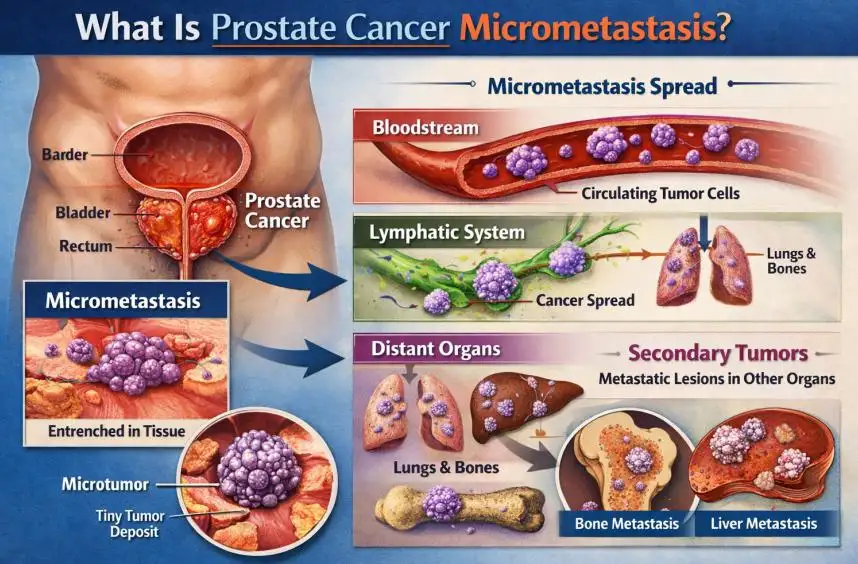
Encapsulated prostate cancer refers to cancer that is fully contained within the prostate capsule. In clinical terms, it often corresponds to early-stage prostate cancer, typically classified as stage T1 or T2. At this stage, the tumor has not penetrated the prostate’s outer layer or spread to lymph nodes or bones.
This localized nature makes encapsulated prostate cancer one of the most treatable forms of prostate cancer. Many patients may not experience noticeable symptoms, and the condition is often discovered through routine screening such as prostate-specific antigen (PSA) testing or digital rectal examination (DRE).
Types of Encapsulated Prostate Cancer
Encapsulated prostate cancer can be categorized based on tumor characteristics, aggressiveness, and risk level.
| Type | Description | Clinical Significance |
|---|---|---|
| Low-risk encapsulated cancer | Slow-growing tumor with low PSA and Gleason score | Often managed with active surveillance |
| Intermediate-risk encapsulated cancer | Moderate PSA levels or Gleason score | May require active treatment |
| High-risk localized cancer | Aggressive features but still confined to the prostate | Requires prompt and intensive treatment |
Understanding the type helps physicians tailor treatment strategies and avoid overtreatment when possible.
Causes and Risk Factors
The exact cause of encapsulated prostate cancer is not fully understood, but several factors increase the risk of developing it:
-
Advancing age, especially over 50
-
Family history of prostate cancer
-
Genetic mutations such as BRCA1 and BRCA2
-
Hormonal influences, particularly testosterone levels
-
Diets high in saturated fats and low in fruits and vegetables
-
Ethnic background, with higher incidence in certain populations
While some risk factors cannot be changed, others can be managed through lifestyle choices and regular screening.
Symptoms and Early Warning Signs
Encapsulated prostate cancer often produces no symptoms in its early stages. When symptoms do occur, they may include:
-
Frequent or urgent urination
-
Difficulty starting or stopping urination
-
Weak urine stream
-
Blood in urine or semen
-
Pelvic discomfort
These symptoms are not exclusive to prostate cancer and can also be caused by benign prostate conditions. This is why routine screening is so important for early detection.
Diagnosis
Diagnosing encapsulated prostate cancer involves a combination of clinical evaluation and diagnostic tests.
| Diagnostic Method | Purpose |
|---|---|
| PSA blood test | Measures prostate-specific antigen levels |
| Digital rectal exam | Assesses prostate size and texture |
| Prostate biopsy | Confirms cancer presence and grade |
| MRI imaging | Determines tumor location and confinement |
Early and accurate diagnosis allows doctors to confirm whether the cancer is truly encapsulated and to plan appropriate treatment.
Treatment Options
Treatment for encapsulated prostate cancer depends on age, overall health, tumor aggressiveness, and patient preference.
| Treatment Option | When It Is Used |
|---|---|
| Active surveillance | Low-risk, slow-growing tumors |
| Radical prostatectomy | Healthy patients with localized cancer |
| Radiation therapy | Alternative to surgery or post-surgical support |
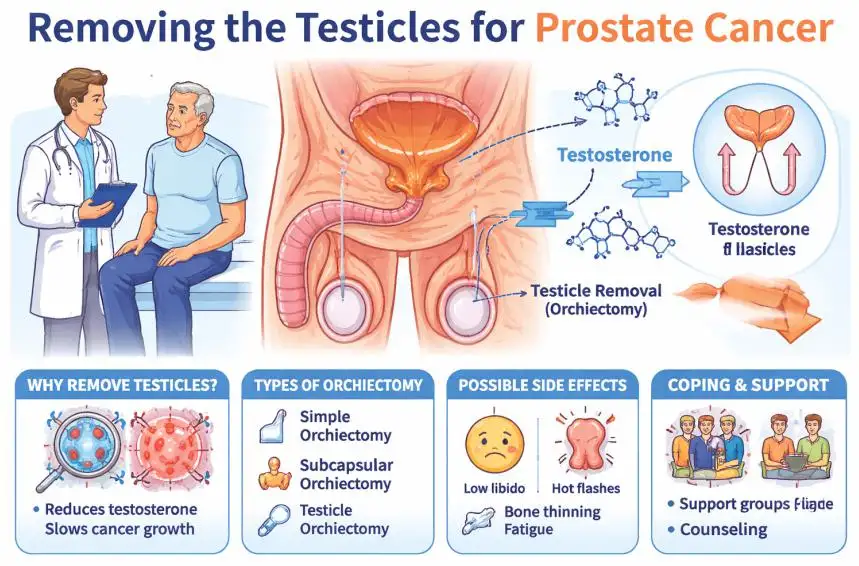
| Hormone therapy | Selected intermediate or high-risk cases |
Many men with encapsulated prostate cancer can choose less aggressive approaches without compromising survival.
Prevention and Lifestyle Recommendations
Although prostate cancer cannot always be prevented, certain lifestyle measures may reduce risk and support prostate health:
-
Maintain a balanced diet rich in vegetables, fruits, and whole grains
-
Limit red and processed meats
-
Engage in regular physical activity
-
Maintain a healthy weight
-
Avoid smoking and excessive alcohol consumption
-
Schedule regular prostate screenings
These habits support overall health and may improve outcomes after diagnosis.
Prognosis and Survival Rates
Encapsulated prostate cancer has an excellent prognosis. Because the cancer is localized, treatment success rates are high.
| Stage | 5-Year Survival Rate |
|---|---|
| Localized (encapsulated) | Nearly 100% |
| Regional spread | Very high with treatment |
| Distant spread | Significantly lower |
Most men diagnosed with encapsulated prostate cancer live long, healthy lives, especially when the disease is detected early.
Latest Research and Innovations
Recent advances in prostate cancer research are improving outcomes for patients with encapsulated prostate cancer. Innovations include:
-
Advanced MRI-guided biopsies for precise diagnosis
-
Genomic testing to predict tumor behavior
-
Focal therapies that target tumors while sparing healthy tissue
-
Personalized treatment planning using artificial intelligence
These developments aim to reduce side effects while maintaining excellent cancer control.
Coping and Support for Patients
A diagnosis of encapsulated prostate cancer can still be emotionally challenging. Support systems play a crucial role in coping and recovery.
-
Open communication with healthcare providers
-
Support from family and friends
-
Prostate cancer support groups
-
Counseling or mental health support
Staying informed and involved in decision-making helps patients feel empowered throughout their treatment journey.
Conclusion
Encapsulated prostate cancer is a highly treatable and often slow-growing form of prostate cancer that remains confined within the prostate gland. With early detection, appropriate treatment, and ongoing monitoring, most patients experience excellent long-term outcomes. By understanding the disease and actively participating in care decisions, men can approach this diagnosis with confidence and clarity.
FAQ
1. What does encapsulated prostate cancer mean?
It means the cancer is contained entirely within the prostate and has not spread.
2. Is encapsulated prostate cancer curable?
Yes, in most cases it is highly curable with proper treatment or monitoring.
3. Do all patients need immediate treatment?
No. Many low-risk cases can be safely managed with active surveillance.
4. How is encapsulated prostate cancer detected?
It is usually found through PSA testing, digital rectal exams, imaging, and biopsy.
5. Can lifestyle changes help after diagnosis?
Yes. Healthy lifestyle choices can support treatment, recovery, and overall well-being.