End Stage Myeloma: Symptoms, Treatment Options, Prognosis, and Patient Care Guide
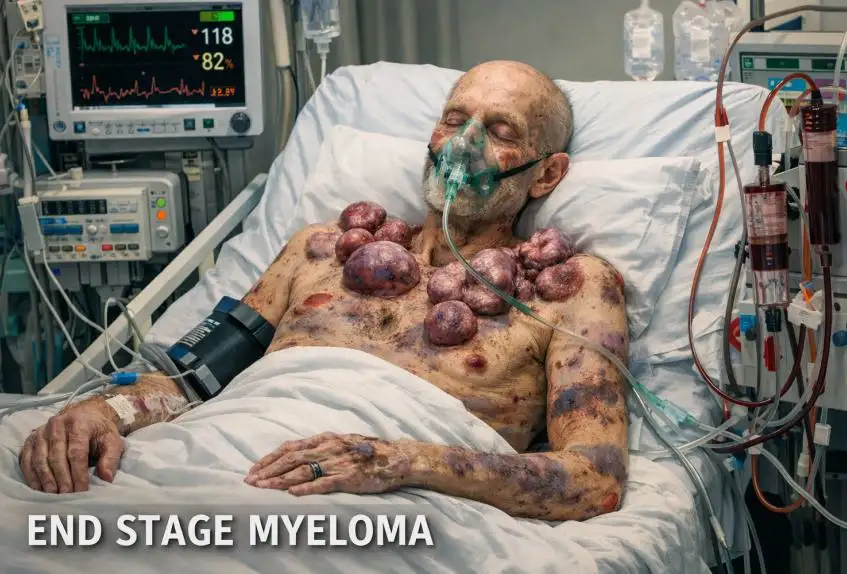
End stage myeloma is the most advanced phase of multiple myeloma, a cancer of plasma cells that affects the bone marrow and immune system. At this stage, the disease often becomes more aggressive and resistant to standard treatments, significantly impacting the patient’s quality of life. Understanding what end stage myeloma means, how it progresses, and what care options are available is essential for patients, caregivers, and families navigating this difficult journey.
While a diagnosis of end stage myeloma can feel overwhelming, modern medicine continues to offer supportive therapies, symptom management strategies, and emerging treatments that can improve comfort and extend survival. In this comprehensive guide, we will explore the causes, symptoms, diagnosis, treatment approaches, prognosis, and emotional support options related to end stage myeloma to help you make informed decisions and feel empowered.
Overview of End Stage Myeloma
End stage myeloma refers to advanced multiple myeloma where the cancer has progressed despite multiple lines of treatment. At this point, the disease is often refractory, meaning it no longer responds effectively to standard therapies.
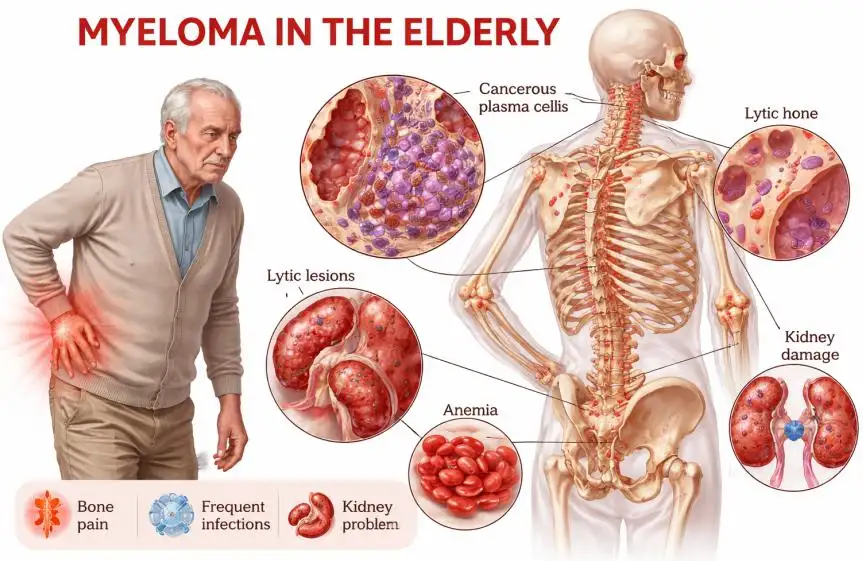
This stage is characterized by extensive bone damage, organ complications (such as kidney failure), and increased vulnerability to infections. The primary focus of care often shifts from aggressive disease control to symptom management, quality of life, and palliative support.
Types of Multiple Myeloma Leading to End Stage Disease
Multiple myeloma can present in different forms, which may eventually progress to end stage myeloma if not controlled.
| Type of Myeloma | Description |
|---|---|
| IgG Myeloma | Most common type, affects immunoglobulin G |
| IgA Myeloma | Produces excess immunoglobulin A |
| Light Chain Myeloma | Produces only light chains, often linked to kidney damage |
| Non-Secretory Myeloma | Rare type with minimal detectable proteins |
| Smoldering Myeloma | Early form that may progress over time |
Causes and Risk Factors
The exact cause of end stage myeloma is not fully understood, but several factors contribute to disease development and progression.
Common Risk Factors Include:
-
Age over 60
-
Family history of blood cancers
-
Male gender
-
African or Caribbean ancestry
-
Exposure to radiation or toxic chemicals
-
Obesity and weakened immune system
Progression to end stage myeloma is often influenced by delayed diagnosis, aggressive disease biology, or resistance to treatment.
Symptoms and Early Warning Signs
Symptoms of end stage myeloma are typically more severe and persistent than in earlier stages.
Common Symptoms Include:
-
Severe bone pain and fractures
-
Extreme fatigue and weakness
-
Frequent infections
-
Kidney dysfunction
-
Anemia and shortness of breath
-
High calcium levels causing nausea and confusion
-
Weight loss and appetite changes
Early warning signs may include persistent back pain, unexplained anemia, or recurrent infections, emphasizing the importance of early detection.
Diagnosis of End Stage Myeloma
Diagnosing end stage myeloma involves a combination of laboratory tests, imaging, and bone marrow evaluation.
Key Diagnostic Methods:
-
Blood tests (to measure abnormal proteins and organ function)
-
Urine tests (to detect Bence Jones proteins)
-
Bone marrow biopsy
-
Imaging scans such as MRI, CT, and PET
-
Cytogenetic testing for high-risk genetic features
Doctors also assess disease staging using systems like the Revised International Staging System (R-ISS).
Treatment Options for End Stage Myeloma
Treatment at this stage focuses on slowing disease progression, relieving symptoms, and maintaining quality of life.
| Treatment Type | Purpose |
|---|---|
| Targeted Therapy | Blocks cancer cell growth pathways |
| Immunotherapy | Enhances immune system response |
| Chemotherapy | Controls cancer spread |
| Steroids | Reduces inflammation and cancer activity |
| Radiation Therapy | Relieves bone pain |
| Palliative Care | Improves comfort and symptom control |
| Clinical Trials | Access to experimental therapies |
Combination therapies are often used to achieve the best possible outcomes.
Prevention and Lifestyle Recommendations
Although end stage myeloma cannot always be prevented, healthy habits can support overall well-being and treatment tolerance.
Lifestyle Tips:
-
Maintain a balanced diet rich in protein and nutrients
-
Stay hydrated to support kidney function
-
Engage in gentle physical activity as tolerated
-
Avoid smoking and excessive alcohol
-
Manage stress through relaxation techniques
-
Follow infection prevention measures
Prognosis and Survival Rates
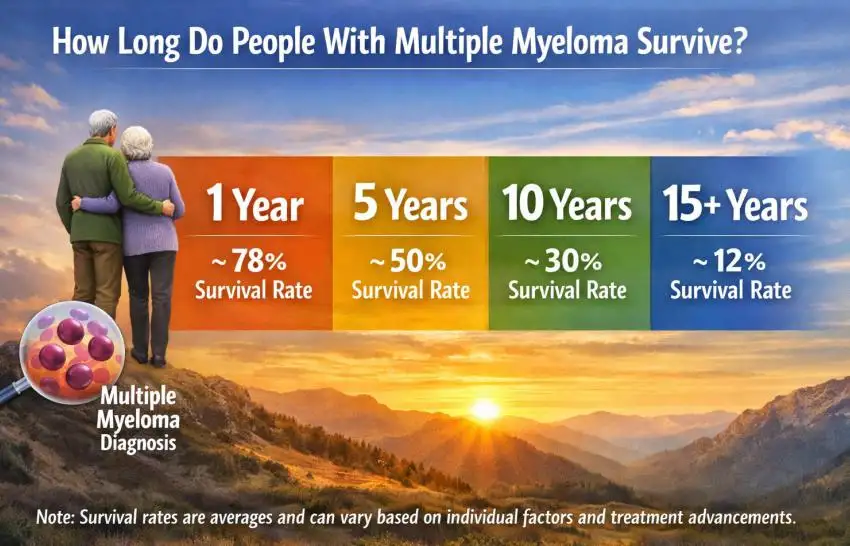
The prognosis for end stage myeloma varies depending on individual factors such as age, overall health, treatment response, and genetic risk profile.
| Factor | Impact on Survival |
|---|---|
| Treatment Response | Better response improves outlook |
| Kidney Function | Healthy kidneys improve prognosis |
| Genetic Risk | High-risk mutations lower survival |
| Overall Health | Strong physical condition helps outcomes |
While survival rates are lower at this stage, ongoing advancements continue to extend life expectancy and improve symptom control.
Latest Research and Innovations
Medical research is rapidly transforming end stage myeloma treatment.
Promising Innovations Include:
-
CAR T-cell therapy
-
Bispecific antibodies
-
Next-generation proteasome inhibitors
-
Personalized medicine approaches
-
Improved supportive care strategies
These breakthroughs offer renewed hope for patients who have exhausted conventional therapies.
Coping and Support for Patients
Living with end stage myeloma is emotionally and physically challenging. Strong support systems play a vital role in maintaining mental health and quality of life.
Support Strategies:
-
Counseling and mental health services
-
Support groups for patients and caregivers
-
Palliative care teams
-
Family involvement and open communication
-
Spiritual or mindfulness practices
Seeking help is not a sign of weakness but an essential part of holistic care.
Conclusion
End stage myeloma represents a critical phase of multiple myeloma, requiring compassionate, personalized, and comprehensive care. Although the disease is advanced, modern treatment options, supportive therapies, and innovative research continue to improve patient outcomes and comfort.
By staying informed, working closely with healthcare providers, and focusing on physical and emotional well-being, patients and families can navigate this journey with strength and dignity. Awareness and education remain powerful tools in managing end stage myeloma effectively.
FAQ: End Stage Myeloma
1. What is end stage myeloma?
End stage myeloma is the advanced phase of multiple myeloma where the disease no longer responds well to standard treatments.
2. Is end stage myeloma curable?
Currently, there is no definitive cure, but treatments can help control symptoms and extend survival.
3. How long can someone live with end stage myeloma?
Survival varies based on individual health, treatment response, and disease characteristics.
4. What are the main symptoms?
Severe bone pain, fatigue, kidney issues, infections, and anemia are common symptoms.
5. Can lifestyle changes help?
Yes, healthy habits, proper nutrition, emotional support, and symptom management can improve quality of life.