Final Stages of Pancreatic Cancer: Symptoms, Treatment Options, Prognosis, and Support Guide

The final stages of pancreatic cancer represent one of the most challenging phases for patients and their families. At this point, the disease has usually spread beyond the pancreas to other organs, making curative treatment unlikely. Understanding what happens during this stage can help individuals prepare emotionally, medically, and practically for the journey ahead.
This article provides a comprehensive overview of the final stages of pancreatic cancer, including symptoms, diagnosis, treatment options, prognosis, and emotional support strategies. By gaining accurate information, readers can make informed decisions, improve quality of life, and ensure compassionate care for their loved ones.
Overview
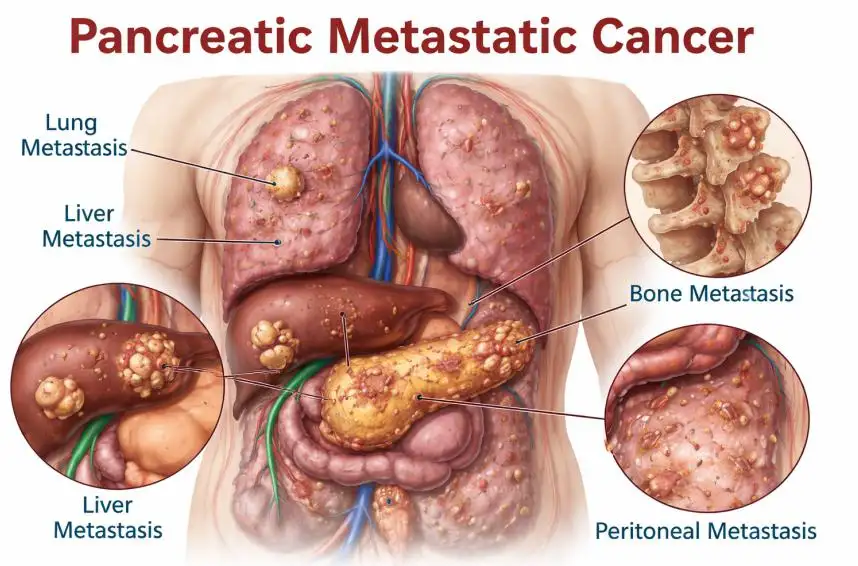
The final stages of pancreatic cancer typically refer to Stage IV disease, where cancer cells have metastasized to distant organs such as the liver, lungs, or peritoneum. At this stage, treatment is focused on symptom management and comfort rather than cure.
Pancreatic cancer is often detected late due to subtle early symptoms. As a result, many patients are diagnosed when the disease is already advanced. The goal of care in the final stages is to enhance quality of life, manage pain, and provide emotional and psychological support.
Types
Although pancreatic cancer has different histological types, the progression to advanced or final stages shares similar characteristics regardless of the subtype.
| Type of Pancreatic Cancer | Description | Prevalence |
|---|---|---|
| Pancreatic Ductal Adenocarcinoma (PDAC) | The most common type originating from duct cells | About 85–90% |
| Neuroendocrine Tumors (NETs) | Develop from hormone-producing cells | Less common |
| Acinar Cell Carcinoma | Rare cancer from enzyme-producing cells | Very rare |
Each type may respond differently to treatment, but symptom management remains the primary focus in the final stages.
Causes and Risk Factors
Several factors increase the risk of developing pancreatic cancer and reaching advanced stages. These include both genetic and lifestyle-related causes.
Common risk factors include:
-
Smoking and tobacco use
-
Chronic pancreatitis
-
Obesity and poor diet
-
Diabetes, especially late-onset
-
Family history of pancreatic cancer
-
Genetic mutations such as BRCA1 and BRCA2
Long-term exposure to these risk factors can increase the likelihood of aggressive disease progression.
Symptoms and Early Warning Signs
In the final stages of pancreatic cancer, symptoms often become more severe and frequent. Recognizing these signs can help caregivers provide timely support.
| Symptom | Description |
|---|---|
| Severe abdominal or back pain | Caused by tumor pressure on nerves |
| Extreme fatigue | Due to cancer progression and treatments |
| Weight loss and muscle wasting | Result of reduced appetite and metabolism changes |
| Jaundice | Yellowing of skin and eyes from bile duct blockage |
| Difficulty breathing | If cancer spreads to lungs |
| Digestive problems | Including nausea and bowel changes |
Early warning signs may include mild abdominal discomfort, unexplained weight loss, and loss of appetite, but these are often overlooked.
Diagnosis
Diagnosing the final stages of pancreatic cancer involves advanced imaging and laboratory tests. Doctors use a combination of tools to determine the extent of cancer spread.
Common diagnostic methods include:
-
CT scan and MRI
-
PET scan to detect metastasis
-
Endoscopic ultrasound (EUS)
-
Biopsy to confirm cancer type
-
Blood tests such as CA 19-9 tumor marker
Accurate staging helps guide treatment decisions and palliative care planning.
Treatment Options
Treatment during the final stages of pancreatic cancer is primarily palliative. The aim is to reduce symptoms and improve comfort rather than eliminate the disease.
| Treatment Type | Purpose |
|---|---|
| Chemotherapy | Slows cancer growth and reduces symptoms |
| Radiation therapy | Helps control pain and tumor size |
| Pain management | Uses medications and nerve blocks |
| Palliative care | Focuses on physical and emotional comfort |
| Hospice care | Supports end-of-life care at home or facilities |
A multidisciplinary healthcare team works together to customize treatment plans based on patient needs.
Prevention and Lifestyle Recommendations
Although it is not always possible to prevent pancreatic cancer, adopting healthy habits can reduce risk and improve overall health.
Recommended lifestyle changes include:
-
Quitting smoking
-
Maintaining a healthy weight
-
Eating a balanced diet rich in fruits and vegetables
-
Limiting alcohol consumption
-
Exercising regularly
-
Managing diabetes and chronic conditions
For high-risk individuals, regular screening and genetic counseling may be beneficial.
Prognosis and Survival Rates
The prognosis for the final stages of pancreatic cancer is generally poor due to late diagnosis and aggressive disease behavior.
| Stage | Average Survival Rate |
|---|---|
| Stage III | Approximately 3–6 months to 1 year |
| Stage IV (Final Stage) | Around 2–11% five-year survival rate |
Survival varies depending on overall health, response to treatment, and supportive care quality. While statistics provide general guidance, each patient’s experience is unique.
Latest Research and Innovations
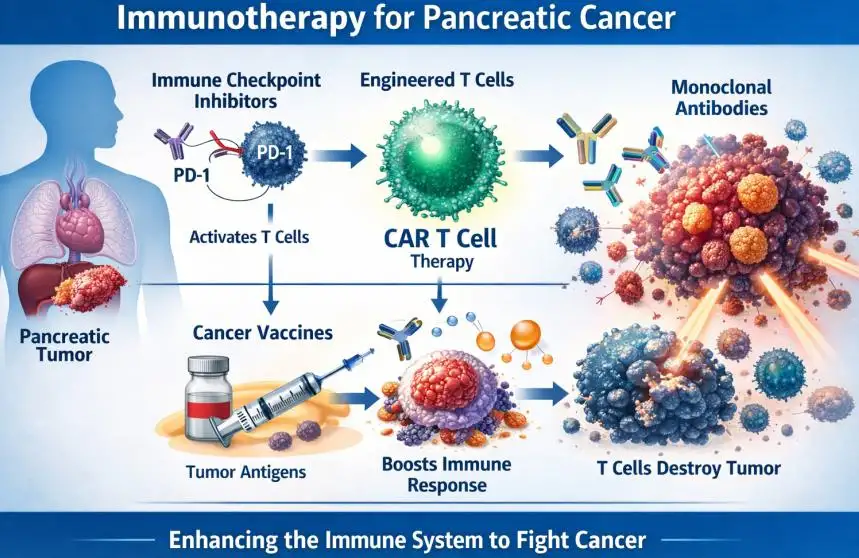
Medical research continues to explore new approaches to treating advanced pancreatic cancer. Promising developments include:
-
Immunotherapy targeting cancer cells
-
Targeted therapies based on genetic mutations
-
Personalized medicine using tumor profiling
-
Advanced pain management techniques
-
Improved drug delivery systems
Clinical trials offer opportunities for patients to access innovative treatments while contributing to scientific progress.
Coping and Support for Patients
Facing the final stages of pancreatic cancer can be emotionally overwhelming. Emotional support plays a crucial role in maintaining mental well-being.
Helpful coping strategies include:
-
Seeking counseling or therapy
-
Joining cancer support groups
-
Communicating openly with family members
-
Practicing relaxation techniques such as meditation
-
Accepting hospice and palliative care services
Caregivers also need support to manage stress and prevent burnout.
Conclusion
The final stages of pancreatic cancer present significant physical and emotional challenges. While curative treatment may no longer be possible, compassionate care can greatly improve comfort and dignity during this phase. By understanding symptoms, treatment options, and support systems, patients and families can make informed decisions and focus on quality of life.
Early planning, open communication with healthcare providers, and emotional support are key components in navigating this difficult journey with strength and resilience.
FAQ
1. What are the main symptoms in the final stages of pancreatic cancer?
Common symptoms include severe pain, extreme fatigue, weight loss, jaundice, digestive problems, and breathing difficulties.
2. Can pancreatic cancer be cured in the final stages?
At the final stage, pancreatic cancer is usually not curable. Treatment focuses on symptom relief and quality of life improvement.
3. How long can someone live with final-stage pancreatic cancer?
Life expectancy varies, but many patients live from a few months to about a year, depending on treatment response and overall health.
4. Is hospice care recommended for advanced pancreatic cancer?
Yes, hospice care is highly recommended to provide comfort, pain management, and emotional support for both patients and families.
5. What can families do to support a loved one?
Families can offer emotional support, help manage daily needs, communicate with healthcare providers, and ensure the patient’s comfort and dignity.