Lump in Lower Extremity Prostate Cancer: Causes, Symptoms, Diagnosis, and Treatment Explained
A lump in lower extremity prostate cancer can be an alarming symptom for patients and caregivers alike. While prostate cancer primarily affects the prostate gland, its progression can sometimes lead to unexpected signs in other parts of the body, including the legs, thighs, or groin area. Understanding what these lumps mean is crucial for early detection, proper treatment, and improved quality of life.
This article provides a comprehensive, easy-to-understand guide to lump in lower extremity prostate cancer, covering causes, symptoms, diagnosis, treatment options, and prognosis. Whether you are a patient, a family member, or simply seeking reliable medical information, this guide will help you make informed decisions and communicate effectively with healthcare providers.
Overview
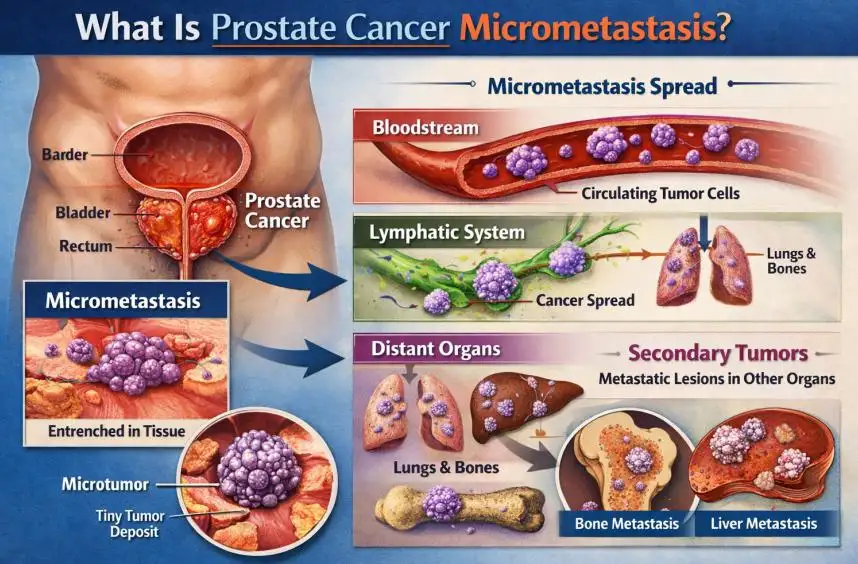
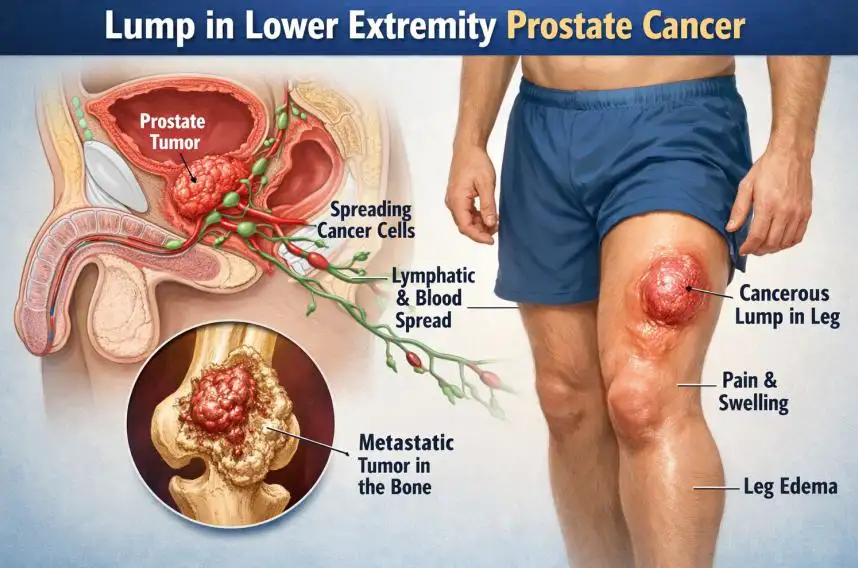
Prostate cancer is one of the most common cancers in men worldwide. In advanced stages, cancer cells may spread beyond the prostate through lymphatic channels or the bloodstream. When this happens, patients may notice swelling or a lump in the lower extremities, such as the legs, ankles, or groin.
A lump in the lower extremity associated with prostate cancer is often related to lymph node involvement, bone metastasis, or soft tissue swelling. Although not every lump indicates cancer spread, it should always be evaluated promptly, especially in individuals with a known history of prostate cancer.
Types
Lumps in the lower extremities linked to prostate cancer can arise from different underlying mechanisms. The table below summarizes the most common types:
| Type of Lump | Description | Clinical Significance |
|---|---|---|
| Lymph Node Enlargement | Swollen lymph nodes in the groin or pelvic area | Often indicates cancer spread |
| Bone Metastasis-Related Swelling | Hard or painful lump near bones | Suggests advanced disease |
| Soft Tissue Metastasis | Rare cancer spread to muscles or fat | Requires imaging confirmation |
| Lymphedema | Fluid buildup causing swelling | Usually due to lymphatic blockage |
Understanding the type of lump helps guide further diagnostic and treatment decisions.
Causes and Risk Factors
The primary cause of a lump in lower extremity prostate cancer is the spread of cancer cells beyond the prostate. Several factors increase the likelihood of this occurring:
-
Advanced or metastatic prostate cancer
-
High Gleason score or aggressive tumor biology
-
Delayed diagnosis or untreated disease
-
Previous pelvic surgery or radiation therapy
-
Obstruction of lymphatic drainage
Men with long-standing prostate cancer or rising prostate-specific antigen (PSA) levels are at higher risk of developing lower extremity lumps related to cancer progression.
Symptoms and Early Warning Signs
A lump in the lower extremity may present with other symptoms that signal disease progression. Common warning signs include:
-
Noticeable swelling in one or both legs
-
A firm or painful lump in the groin or thigh
-
Leg heaviness or tightness
-
Skin changes such as redness or warmth
-
Bone pain or difficulty walking
Early recognition of these symptoms can lead to faster diagnosis and more effective management.
Diagnosis
Diagnosing the cause of a lump in lower extremity prostate cancer requires a combination of clinical evaluation and imaging tests. Common diagnostic steps include:
-
Physical examination of the lump and surrounding area
-
PSA blood test to assess cancer activity
-
Ultrasound of the lower extremity or groin
-
CT scan or MRI to evaluate lymph nodes and soft tissues
-
Bone scan if bone metastasis is suspected
-
Biopsy in selected cases to confirm cancer involvement
Accurate diagnosis ensures that the lump is correctly attributed to prostate cancer and not another condition such as infection or blood clots.
Treatment Options
Treatment depends on the underlying cause of the lump and the overall stage of prostate cancer. Options may include:
| Treatment Approach | Purpose |
|---|---|
| Hormone Therapy (ADT) | Slows cancer growth by reducing testosterone |
| Chemotherapy | Targets rapidly dividing cancer cells |
| Radiation Therapy | Shrinks localized metastatic lesions |
| Targeted Therapy | Acts on specific cancer pathways |
| Lymphedema Management | Reduces swelling and improves mobility |
| Palliative Care | Relieves pain and improves quality of life |
A multidisciplinary care team often provides the best outcomes, tailoring treatment to the patient’s individual needs.
Prevention and Lifestyle Recommendations
While not all cases are preventable, certain measures may reduce the risk of complications associated with prostate cancer:
-
Regular prostate cancer screening for early detection
-
Maintaining a healthy weight and balanced diet
-
Engaging in regular physical activity
-
Avoiding smoking and excessive alcohol use
-
Following prescribed cancer treatments consistently
Lifestyle modifications can support overall health and complement medical treatment.
Prognosis and Survival Rates
The prognosis for patients with a lump in lower extremity prostate cancer varies widely. Factors influencing survival include cancer stage, response to treatment, and overall health. While lower extremity lumps often indicate advanced disease, modern therapies have significantly improved survival rates and symptom control.
Early intervention and ongoing monitoring play a key role in maintaining function and quality of life.
Latest Research and Innovations
Recent advances in prostate cancer research have led to more precise diagnostic tools and targeted therapies. Innovations include:
-
Advanced imaging techniques such as PSMA PET scans
-
New-generation hormonal agents
-
Immunotherapy and personalized medicine approaches
-
Improved lymphedema management strategies
These developments offer hope for better outcomes, even in advanced cases.
Coping and Support for Patients
Living with prostate cancer and its complications can be emotionally challenging. Patients are encouraged to:
-
Seek support from oncology counselors or support groups
-
Communicate openly with healthcare providers
-
Involve family members in care decisions
-
Focus on mental well-being alongside physical treatment
Emotional and social support is an essential part of comprehensive cancer care.
Conclusion
A lump in lower extremity prostate cancer is a significant symptom that should never be ignored. While it often indicates disease progression, timely diagnosis and appropriate treatment can effectively manage symptoms and improve quality of life. By understanding the causes, symptoms, and available treatment options, patients can take an active role in their care and work closely with their medical team for the best possible outcomes.
FAQ
1. Is a lump in the leg always a sign of prostate cancer spread?
No. Lumps can result from infections, blood clots, or benign conditions. However, in prostate cancer patients, evaluation is essential.
2. Can early treatment reduce lower extremity swelling?
Yes. Treating the underlying cancer and managing lymphatic blockage can significantly reduce swelling.
3. When should I see a doctor about a lump in my leg?
Any new or worsening lump, especially with a history of prostate cancer, should be evaluated promptly.
4. Does a lump in the lower extremity mean poor prognosis?
Not necessarily. While it may indicate advanced disease, many treatments can control symptoms and prolong survival.
5. Can lifestyle changes help manage symptoms?
Yes. Physical activity, proper nutrition, and medical follow-up can support overall treatment and well-being.