New Treatment for Prostate Cancer – Breakthrough Therapies, Options, and What Patients Need to Know

Prostate cancer remains one of the most common cancers affecting men worldwide, but the good news is that medical science is advancing faster than ever. In recent years, every new treatment for prostate cancer has focused not only on extending life but also on improving its quality, reducing side effects, and offering more personalized care.
If you or a loved one has been diagnosed with prostate cancer, understanding today’s treatment landscape is essential. From cutting-edge immunotherapy to precision-guided radiation and targeted drugs, modern medicine is providing more hope than ever before. This article will guide you through the most important aspects of prostate cancer, with a strong focus on the latest new treatment for prostate cancer and how it may benefit you.
Overview
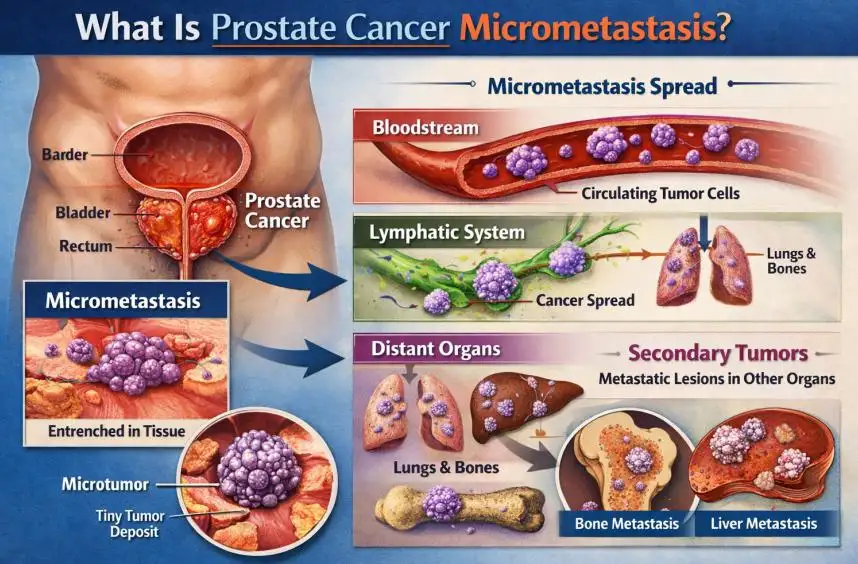
Prostate cancer begins in the prostate gland, a small organ located below the bladder that produces seminal fluid. The disease can range from slow-growing tumors that may never cause serious problems to aggressive forms that spread quickly.
A new treatment for prostate cancer aims to match the right therapy to the right patient at the right time. By using genetic testing, advanced imaging, and novel drugs, doctors can now tailor treatment plans to individual tumor characteristics rather than relying on a one-size-fits-all approach.
Types
Prostate cancer is classified based on how the cancer cells look and behave. Understanding the type helps determine which new treatment for prostate cancer may be most effective.
| Type of Prostate Cancer | Description |
|---|---|
| Adenocarcinoma | The most common type, starting in gland cells |
| Small Cell Carcinoma | Rare and aggressive form |
| Neuroendocrine Tumors | Fast-growing, often hormone-resistant |
| Transitional Cell Carcinoma | Starts in the urethra or bladder |
Causes and Risk Factors
While the exact cause of prostate cancer is unknown, several factors increase the risk.
| Risk Factor | Impact |
|---|---|
| Age | Risk increases after 50 |
| Family history | Higher risk if close relatives had prostate cancer |
| Genetics | BRCA1 and BRCA2 mutations increase risk |
| Ethnicity | Higher incidence in African descent |
| Diet and lifestyle | High-fat diet and obesity may contribute |
These factors also influence how a patient may respond to a new treatment for prostate cancer, making personalized medicine increasingly important.
Symptoms and Early Warning Signs
Early prostate cancer may not cause noticeable symptoms, which is why regular screening is vital. As the disease progresses, patients may experience:
-
Difficulty urinating
-
Weak urine flow
-
Blood in urine or semen
-
Pelvic or back pain
-
Erectile dysfunction
Recognizing these signs early allows doctors to apply a new treatment for prostate cancer before the disease advances.
Diagnosis
Doctors use several methods to confirm prostate cancer and determine its stage:
-
PSA blood test
-
Digital rectal exam
-
Prostate biopsy
-
MRI and PET scans
-
Genetic and molecular testing
These tools help doctors decide which new treatment for prostate cancer is most suitable for each patient.
Treatment Options
Treatment depends on the cancer stage, overall health, and patient preferences. Traditional options include surgery, radiation therapy, and hormone therapy, but newer approaches are transforming care.
| Treatment Type | How It Works |
|---|---|
| Surgery | Removes the prostate |
| Radiation therapy | Kills cancer cells with high-energy beams |
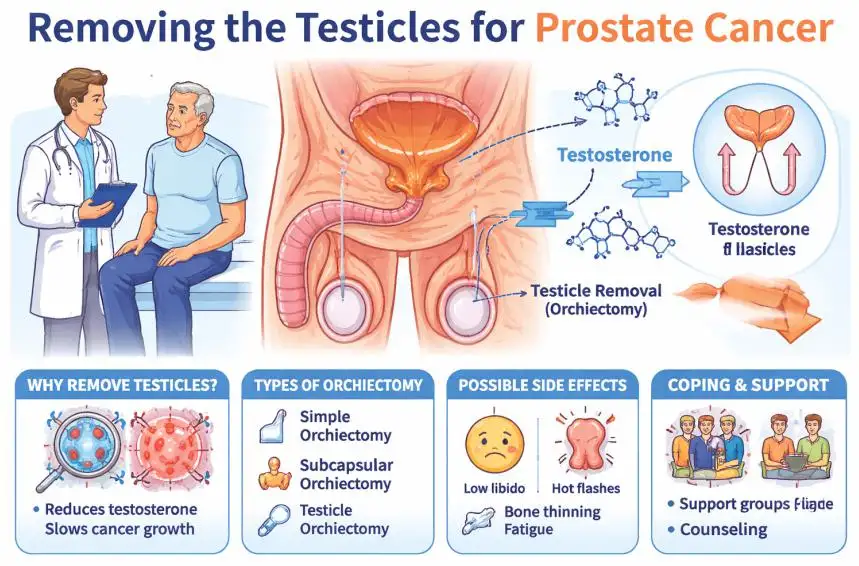
| Hormone therapy | Blocks testosterone |
| Chemotherapy | Targets fast-growing cancer cells |
| New treatment for prostate cancer | Includes immunotherapy, targeted drugs, and gene-based therapies |
The new treatment for prostate cancer is especially useful for advanced and hormone-resistant cases.
Prevention and Lifestyle Recommendations
While not all prostate cancer can be prevented, healthy habits can reduce risk and improve outcomes.
-
Eat a diet rich in fruits and vegetables
-
Limit red meat and processed foods
-
Maintain a healthy weight
-
Exercise regularly
-
Avoid smoking and excessive alcohol
These steps also help patients tolerate a new treatment for prostate cancer more effectively.
Prognosis and Survival Rates
Prostate cancer has one of the highest survival rates among cancers, especially when detected early.
| Stage | 5-Year Survival Rate |
|---|---|
| Localized | Nearly 100% |
| Regional | Over 99% |
| Advanced | Improving with new treatments |
Thanks to each new treatment for prostate cancer, survival rates continue to rise even for advanced-stage patients.
Latest Research and Innovations
Ongoing research is revolutionizing prostate cancer care. Some of the most promising developments include:
-
Immunotherapy that trains the immune system to attack cancer
-
PARP inhibitors for genetically linked cancers
-
PSMA-targeted radioligand therapy
-
AI-assisted diagnosis and treatment planning
These innovations represent the future of every new treatment for prostate cancer.
Coping and Support for Patients
A prostate cancer diagnosis can be emotionally challenging. Patients are encouraged to seek:
-
Support groups
-
Counseling services
-
Nutritional guidance
-
Physical rehabilitation
Mental and emotional well-being plays a key role in how well patients respond to a new treatment for prostate cancer.
Conclusion
Prostate cancer is no longer a one-path disease. With every new treatment for prostate cancer, patients gain more options, better outcomes, and renewed hope. By staying informed, working closely with healthcare providers, and embracing healthy lifestyle choices, patients can take an active role in their recovery and long-term health.
FAQ
1. What is the newest treatment for prostate cancer?
The newest treatments include immunotherapy, targeted therapies, and PSMA-based radioligand therapy, which precisely attacks cancer cells.
2. Is a new treatment for prostate cancer better than traditional therapy?
In many cases, yes. Newer treatments often provide better targeting, fewer side effects, and improved survival for advanced disease.
3. Who is eligible for new prostate cancer treatments?
Eligibility depends on cancer stage, genetic factors, and overall health. Your doctor can guide you based on detailed testing.
4. Can lifestyle changes support treatment?
Absolutely. Healthy eating, exercise, and stress management can improve treatment response and overall well-being.
5. Is prostate cancer curable?
Many cases, especially when detected early, are highly treatable and often curable, particularly with modern new treatment for prostate cancer options.