Stage 4 Pancreatic Cancer Spread to Liver: Symptoms, Treatment, Prognosis, and Support

Being told that you or a loved one has stage 4 pancreatic cancer spread to liver can feel overwhelming. At this advanced stage, the disease has moved beyond the pancreas and formed metastases in distant organs, most commonly the liver. Understanding what this diagnosis means is a crucial first step toward making informed decisions and finding the right support.
This article is designed to guide you through the medical facts in a clear, compassionate, and practical way. You will learn how stage 4 pancreatic cancer with liver metastasis develops, what symptoms to expect, how it is diagnosed, which treatment options are available, and how patients and families can cope physically and emotionally.
Overview
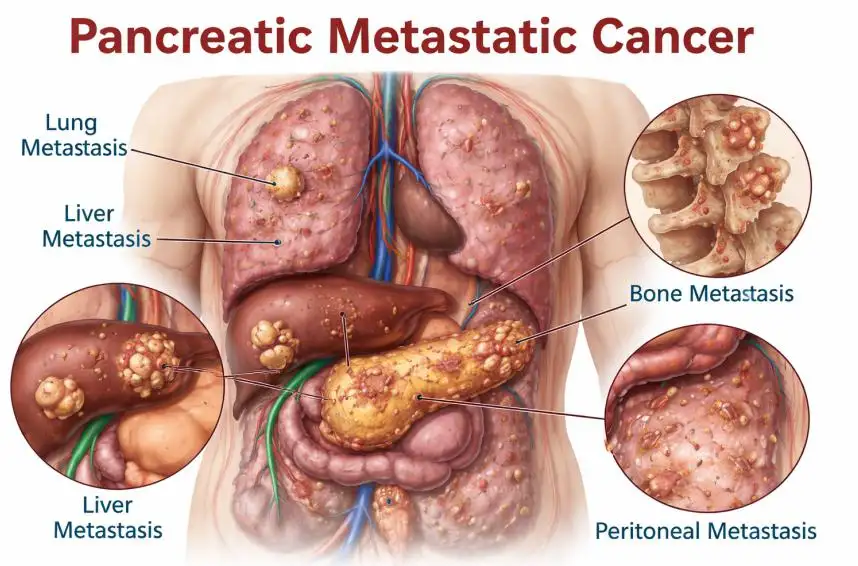
Stage 4 pancreatic cancer is the most advanced stage of the disease. It indicates that cancer cells have spread (metastasized) from the pancreas to distant organs, with the liver being the most frequent site due to its close blood supply connection.
When pancreatic cancer spreads to the liver, it can affect liver function and worsen overall health. At this stage, treatment usually focuses on slowing disease progression, managing symptoms, and maintaining quality of life rather than cure.
Types
Pancreatic cancer includes several types, but some are more likely to reach stage 4 and spread to the liver.
| Type of Pancreatic Cancer | Description | Likelihood of Liver Spread |
|---|---|---|
| Pancreatic ductal adenocarcinoma (PDAC) | Most common type, aggressive | Very high |
| Neuroendocrine tumors (NETs) | Slower growing, less common | Moderate |
| Acinar cell carcinoma | Rare, aggressive | High |
| Mucinous cystic neoplasms (advanced) | Usually benign, can turn malignant | Variable |
Most cases of stage 4 pancreatic cancer spread to liver involve pancreatic ductal adenocarcinoma.
Causes and Risk Factors
The exact cause of pancreatic cancer is not always known, but several factors increase risk.
| Risk Factor | Explanation |
|---|---|
| Smoking | Strongest modifiable risk factor |
| Chronic pancreatitis | Long-term inflammation damages cells |
| Diabetes | Especially recent-onset diabetes |
| Family history | Genetic mutations such as BRCA |
| Obesity | Linked to chronic inflammation |
| Age | Most patients are over 60 |
These factors do not guarantee cancer will develop, but they raise the likelihood.
Symptoms and Early Warning Signs
Symptoms are often vague early on, which is why many patients are diagnosed at stage 4.
Common symptoms include:
-
Persistent abdominal or back pain
-
Unexplained weight loss
-
Loss of appetite
-
Fatigue and weakness
-
Jaundice (yellowing of skin and eyes)
-
Dark urine and pale stools
When pancreatic cancer has spread to the liver, additional signs may appear:
-
Enlarged liver
-
Abdominal swelling (ascites)
-
Increased jaundice
-
Nausea and digestive problems
Diagnosis
Diagnosing stage 4 pancreatic cancer spread to liver requires multiple tests.
| Diagnostic Method | Purpose |
|---|---|
| CT scan or MRI | Detect tumors and metastases |
| PET scan | Identify cancer spread |
| Blood tests (CA 19-9) | Tumor marker monitoring |
| Biopsy | Confirm cancer type |
| Liver function tests | Assess liver involvement |
These tests help doctors determine the extent of spread and plan treatment.
Treatment Options
At stage 4, treatment is typically palliative, aiming to prolong survival and improve comfort.
| Treatment Option | Goal |
|---|---|
| Chemotherapy | Slow cancer growth |
| Targeted therapy | Attack specific cancer pathways |
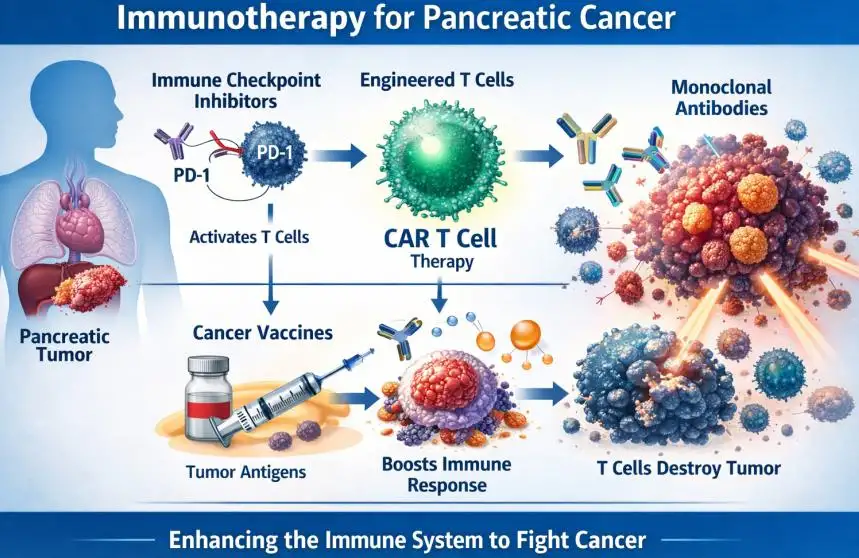
| Immunotherapy (selected cases) | Boost immune response |
| Radiation therapy | Reduce pain and tumor size |
| Palliative care | Symptom relief and quality of life |
Surgery is rarely an option once pancreatic cancer has spread to the liver.
Prevention and Lifestyle Recommendations
Although stage 4 disease cannot be prevented once diagnosed, lifestyle measures may support overall health.
-
Stop smoking immediately
-
Maintain balanced nutrition
-
Manage pain and symptoms early
-
Stay physically active as tolerated
-
Seek emotional and psychological support
These steps can improve daily functioning and well-being.
Prognosis and Survival Rates
The prognosis for stage 4 pancreatic cancer spread to liver is generally poor compared to earlier stages.
| Metric | General Estimate |
|---|---|
| Median survival | 6–11 months |
| 1-year survival rate | Around 20–30% |
| 5-year survival rate | Less than 5% |
Survival varies widely depending on response to treatment, overall health, and access to care.
Latest Research and Innovations
Ongoing research offers hope for better outcomes in the future.
Key areas of innovation include:
-
Personalized chemotherapy based on genetics
-
New immunotherapy combinations
-
Targeted drugs for BRCA and DNA-repair mutations
-
Improved early detection biomarkers
-
AI-assisted imaging and diagnostics
Clinical trials may provide access to emerging therapies and should be discussed with healthcare providers.
Coping and Support for Patients
Living with advanced pancreatic cancer affects both patients and families.
Helpful support strategies include:
-
Palliative care teams for symptom management
-
Counseling and mental health services
-
Patient support groups
-
Open communication with loved ones
-
Advance care planning
Emotional support is just as important as medical treatment.
Conclusion
A diagnosis of stage 4 pancreatic cancer spread to liver is life-changing, but understanding the disease empowers you to make informed decisions. While current treatments focus on symptom control and life extension, advances in research continue to improve care options. With the right medical team, supportive care, and emotional support, patients can maintain dignity and quality of life throughout their journey.
FAQ
1. What does stage 4 pancreatic cancer spread to liver mean?
It means cancer has metastasized from the pancreas to the liver, indicating advanced disease.
2. Is stage 4 pancreatic cancer curable?
Currently, it is not considered curable, but treatments can slow progression and relieve symptoms.
3. How fast does pancreatic cancer spread to the liver?
It can spread rapidly due to aggressive tumor biology and shared blood supply.
4. Can chemotherapy help at stage 4?
Yes, chemotherapy can improve survival and quality of life in many patients.
5. Should patients consider clinical trials?
Yes, clinical trials may offer access to new therapies and should be discussed with an oncologist.