Surviving with Myeloma: A Complete Guide to Living Well, Treatment Options, and Long-Term Outlook

Surviving with myeloma is no longer just about fighting cancer it is about building a meaningful, active, and informed life while managing a chronic condition. Multiple myeloma, a cancer of plasma cells in the bone marrow, has transformed from a rapidly fatal disease into a more manageable illness for many patients thanks to modern therapies and supportive care. Understanding your condition empowers you to take control of your health and improve daily quality of life.
Whether you are newly diagnosed, undergoing treatment, or in remission, surviving with myeloma requires a holistic approach. This guide will help you understand the disease, explore treatment options, adopt healthier lifestyle habits, and develop coping strategies that support both physical and emotional well-being.
Overview
Multiple myeloma is a blood cancer that affects plasma cells, which are responsible for producing antibodies. When these cells become cancerous, they multiply uncontrollably and interfere with normal blood production, weaken bones, and compromise the immune system.
Surviving with myeloma often involves long-term management rather than a single course of treatment. Many patients experience cycles of remission and relapse, making continuous monitoring and personalized treatment plans essential.
Key Facts About Multiple Myeloma
| Aspect | Description |
|---|---|
| Disease Type | Cancer of plasma cells |
| Common Affected Areas | Bone marrow, bones, kidneys |
| Typical Age Group | Over 60 years |
| Treatment Goal | Disease control and symptom management |
| Survival Trend | Improving with modern therapies |
Types
Multiple myeloma is not a single uniform disease. Understanding its types can help patients and caregivers make informed decisions.
Main Types of Myeloma
| Type | Description |
|---|---|
| Smoldering Myeloma | Early, slow-growing form with no symptoms |
| Active Multiple Myeloma | Symptomatic disease requiring treatment |
| Light Chain Myeloma | Produces abnormal light chains |
| Non-Secretory Myeloma | Rare type with minimal detectable proteins |
| Solitary Plasmacytoma | Localized plasma cell tumor |
Each type requires a tailored treatment approach to support surviving with myeloma more effectively.
Causes and Risk Factors
The exact cause of multiple myeloma remains unknown, but several factors increase the likelihood of developing the disease.
Common Risk Factors
-
Age over 60
-
Family history of blood cancers
-
Male gender
-
Obesity and poor metabolic health
-
Exposure to radiation or toxic chemicals
-
Weakened immune system
While these factors increase risk, many people develop myeloma without any identifiable cause.
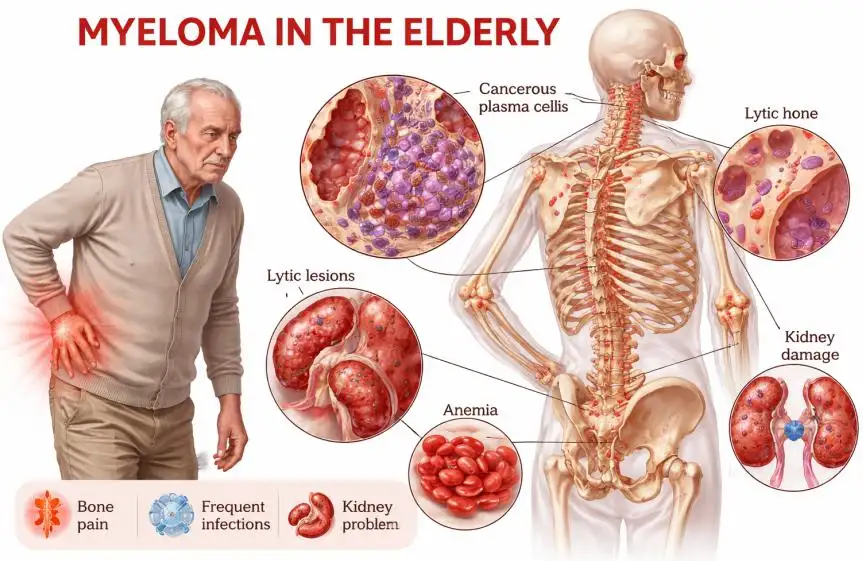
Symptoms and Early Warning Signs
Recognizing early symptoms is critical for early diagnosis and improved outcomes.
Common Symptoms
-
Persistent bone pain, especially in the spine and ribs
-
Frequent infections
-
Fatigue and weakness
-
Anemia
-
Unexplained weight loss
-
Kidney problems
-
Numbness or tingling in extremities
If symptoms persist, early medical evaluation can significantly improve the experience of surviving with myeloma.
Diagnosis
Diagnosis involves a combination of laboratory tests, imaging studies, and bone marrow examination.
Diagnostic Methods
| Test | Purpose |
|---|---|
| Blood Tests | Detect abnormal proteins and anemia |
| Urine Tests | Identify light chain proteins |
| Bone Marrow Biopsy | Confirm cancerous plasma cells |
| X-rays and MRI | Detect bone damage |
| CT and PET Scans | Assess disease spread |
Accurate diagnosis allows doctors to stage the disease and plan effective treatment.
Treatment Options
Treatment for multiple myeloma is personalized and may involve a combination of therapies.
Common Treatment Approaches
-
Chemotherapy
-
Immunotherapy
-
Targeted therapy
-
Steroid medications
-
Stem cell transplant
-
Radiation therapy
-
Supportive treatments for bone and kidney health
Advances in medicine have made surviving with myeloma more achievable than ever before.
Prevention and Lifestyle Recommendations
While myeloma cannot be fully prevented, healthy habits support treatment success and overall wellness.
Healthy Lifestyle Tips
-
Maintain a balanced diet rich in fruits and vegetables
-
Stay physically active with doctor-approved exercise
-
Avoid smoking and excessive alcohol
-
Manage stress through relaxation techniques
-
Get adequate sleep
-
Stay hydrated
These lifestyle changes improve immune function and support long-term health.
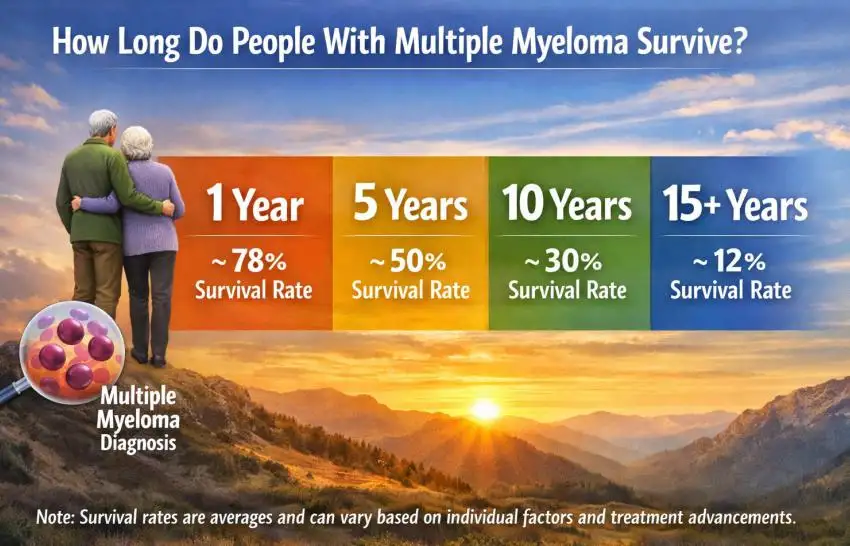
Prognosis and Survival Rates
Prognosis depends on disease stage, patient age, response to treatment, and overall health.
Average Survival Outlook
| Stage | Estimated 5-Year Survival |
|---|---|
| Early Stage | 75% or higher |
| Intermediate Stage | Around 60% |
| Advanced Stage | Approximately 40% |
With modern therapies, many patients live longer and enjoy better quality of life while surviving with myeloma.
Latest Research and Innovations
Research continues to revolutionize myeloma treatment.
Emerging Breakthroughs
-
CAR-T cell therapy
-
Bispecific antibodies
-
Precision medicine approaches
-
Personalized immunotherapy
-
Improved stem cell transplant protocols
These innovations offer new hope for long-term disease control and potential functional cures.
Coping and Support for Patients
Emotional resilience is just as important as medical treatment.
Support Strategies
-
Join myeloma support groups
-
Seek counseling or therapy
-
Communicate openly with family
-
Build a strong care team
-
Practice mindfulness and stress management
Surviving with myeloma becomes easier with emotional, social, and psychological support.
Conclusion
Surviving with myeloma is a journey that requires medical care, personal commitment, and emotional strength. With the right treatment plan, healthy lifestyle choices, and strong support systems, many patients are living longer, fuller lives than ever before. Staying informed and proactive plays a key role in long-term success.
While challenges remain, advances in research and personalized medicine continue to improve outcomes. By focusing on both physical health and mental well-being, patients can regain control and live with confidence.
FAQ
1. What does surviving with myeloma mean?
It means managing the disease long-term while maintaining quality of life through treatment, lifestyle changes, and support.
2. Is multiple myeloma curable?
Currently, there is no definitive cure, but many patients achieve long-term remission with modern therapies.
3. Can I live a normal life with myeloma?
Yes. Many people continue working, traveling, and enjoying daily activities with proper medical care and lifestyle adjustments.
4. How long can someone survive with myeloma?
Survival varies depending on disease stage and treatment response. Many patients now live 10 years or longer.
5. What lifestyle changes help with myeloma management?
Healthy eating, regular exercise, stress management, and avoiding harmful habits significantly support overall well-being.