Anthracycline Breast Cancer: Comprehensive Guide to Treatment, Benefits, and Risks
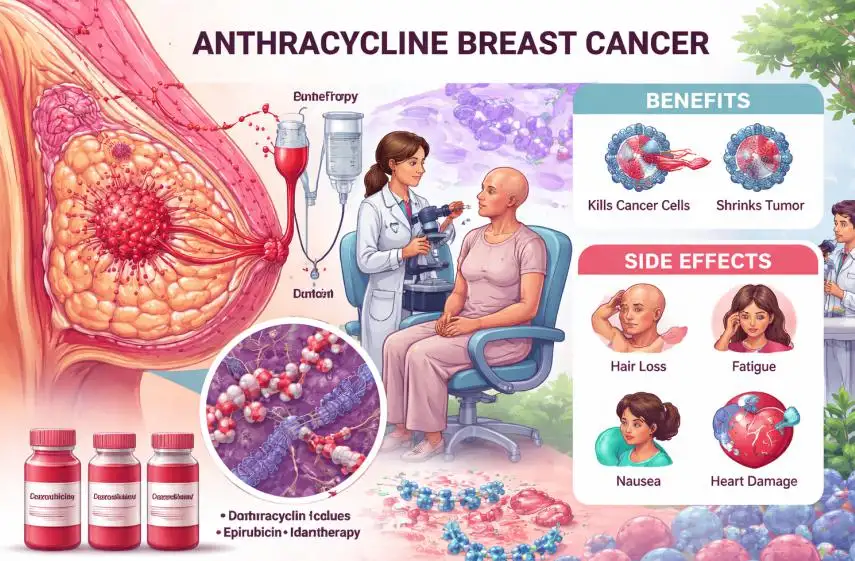
Anthracycline breast cancer treatment has played a major role in modern oncology, offering powerful chemotherapy options that have significantly improved survival rates for many patients. If you or a loved one has been advised to undergo anthracycline-based therapy, understanding how it works, its benefits, and its potential risks can help you make informed decisions with confidence.
Breast cancer is not a single disease but a group of conditions with different biological characteristics. Anthracyclines are commonly used in specific breast cancer subtypes, particularly in early-stage and high-risk cases. This guide will walk you through everything you need to know about anthracycline breast cancer therapy, from diagnosis to prognosis, so you can better navigate your treatment journey.
Overview
Anthracyclines are a class of chemotherapy drugs widely used in breast cancer treatment. These medications, including Doxorubicin and Epirubicin, work by interfering with cancer cell DNA replication, ultimately preventing tumor growth and spread.
In anthracycline breast cancer therapy, these drugs are often combined with other chemotherapeutic agents such as cyclophosphamide or taxanes. They may be administered:
-
Before surgery (neoadjuvant therapy)
-
After surgery (adjuvant therapy)
-
In advanced or metastatic breast cancer
Anthracycline-based regimens remain a cornerstone in oncology because of their proven effectiveness, particularly in aggressive breast cancer types.
Types of Anthracycline Breast Cancer Treatment Regimens
Different treatment protocols incorporate anthracyclines depending on the stage and subtype of breast cancer.
| Regimen Name | Common Drugs Included | Typical Use |
|---|---|---|
| AC | Doxorubicin + Cyclophosphamide | Early-stage breast cancer |
| FEC | Fluorouracil + Epirubicin + Cyclophosphamide | Adjuvant therapy |
| TAC | Docetaxel + Doxorubicin + Cyclophosphamide | High-risk early breast cancer |
| FAC | Fluorouracil + Doxorubicin + Cyclophosphamide | Various breast cancer stages |
These regimens are tailored to the patient’s tumor biology, overall health, and treatment goals.
Causes and Risk Factors
Anthracycline breast cancer treatment is typically recommended for patients with higher-risk disease profiles. Factors influencing this decision include:
-
Tumor size larger than 2 cm
-
Lymph node involvement
-
High-grade tumors
-
Triple-negative breast cancer
-
HER2-positive tumors (in combination with targeted therapy)
-
Younger age at diagnosis
Genetic mutations such as BRCA1 or BRCA2 may also influence treatment planning. Oncologists weigh the potential benefits of anthracycline therapy against its risks, especially concerning heart health.
Symptoms and Early Warning Signs
The symptoms that lead to anthracycline breast cancer treatment are those of breast cancer itself. Common early warning signs include:
-
A new lump in the breast or underarm
-
Changes in breast size or shape
-
Nipple discharge (other than breast milk)
-
Skin dimpling or redness
-
Persistent breast pain
Once treatment begins, patients may experience chemotherapy-related side effects such as:
-
Fatigue
-
Nausea and vomiting
-
Hair loss
-
Increased infection risk
-
Mouth sores
A unique concern with anthracyclines is potential cardiotoxicity, which may affect heart function over time.
Diagnosis
Before initiating anthracycline breast cancer therapy, a comprehensive diagnostic evaluation is performed.
Standard Diagnostic Procedures
| Test | Purpose |
|---|---|
| Mammogram | Detect abnormal breast tissue |
| Ultrasound | Evaluate suspicious lumps |
| Biopsy | Confirm cancer diagnosis |
| MRI | Assess tumor size and spread |
| Echocardiogram | Evaluate heart function before anthracycline use |
Heart monitoring is especially important because anthracyclines can impact cardiac muscle cells. Baseline and periodic cardiac assessments help ensure safe treatment delivery.
Treatment Options
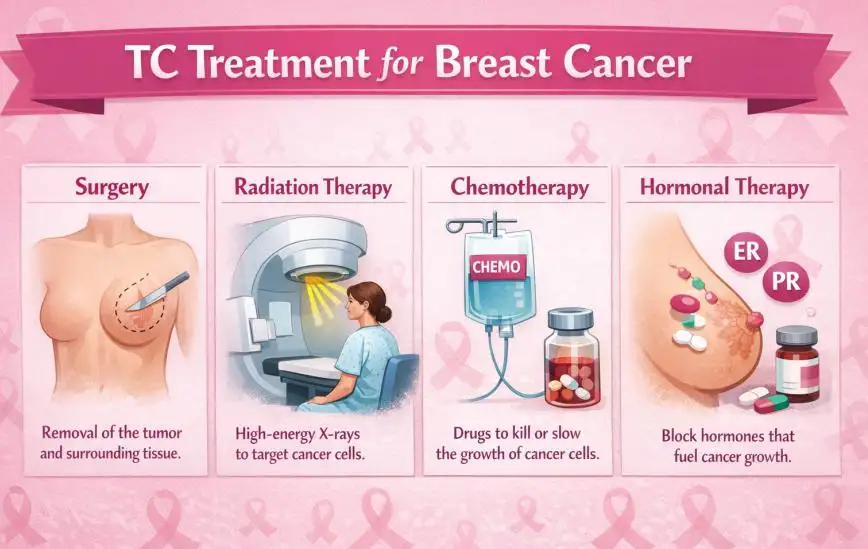
Anthracycline breast cancer therapy may be part of a broader, multi-modality treatment approach.
Chemotherapy
Anthracyclines remain one of the most effective chemotherapy classes for breast cancer, particularly in high-risk and node-positive cases.
Surgery
-
Lumpectomy
-
Mastectomy
Radiation Therapy
Often recommended after breast-conserving surgery.
Targeted Therapy
For HER2-positive cancers, treatments such as Trastuzumab may be combined carefully with anthracyclines, although cardiac risks are closely monitored.
Hormone Therapy
Used in hormone receptor-positive breast cancer.
Your oncologist will design a personalized treatment plan based on tumor biology and overall health status.
Prevention and Lifestyle Recommendations
While anthracycline breast cancer therapy is a treatment, not prevention, there are lifestyle measures that may improve outcomes and reduce recurrence risk:
-
Maintain a healthy weight
-
Engage in regular physical activity
-
Follow a balanced diet rich in fruits and vegetables
-
Limit alcohol intake
-
Avoid smoking
-
Attend all follow-up appointments
Heart-healthy habits are particularly important if you receive anthracycline-based chemotherapy.
Prognosis and Survival Rates
Anthracycline breast cancer treatment has significantly improved survival outcomes, especially in early-stage disease.
Prognosis depends on several factors:
-
Cancer stage at diagnosis
-
Tumor subtype
-
Lymph node involvement
-
Patient age and overall health
-
Response to chemotherapy
In early-stage breast cancer, 5-year survival rates often exceed 90%. For high-risk or aggressive tumors, anthracyclines can substantially reduce recurrence risk when appropriately indicated.
Latest Research and Innovations
Ongoing research aims to enhance the benefits of anthracycline breast cancer therapy while minimizing toxicity.
Key advancements include:
-
Liposomal formulations of doxorubicin to reduce cardiac side effects
-
Biomarkers to predict chemotherapy response
-
Genomic testing to identify patients who may safely avoid anthracyclines
-
Cardio-oncology programs for improved heart monitoring
Clinical trials continue to refine personalized treatment strategies, ensuring patients receive optimal therapy with minimal long-term complications.
Coping and Support for Patients
Facing anthracycline breast cancer treatment can be physically and emotionally challenging. You are not alone in this journey.
Helpful support strategies include:
-
Joining breast cancer support groups
-
Seeking counseling or psychological therapy
-
Communicating openly with your oncology team
-
Involving family and friends in your care
-
Consulting a cardio-oncology specialist if concerned about heart health
Proactive communication and emotional support can significantly improve quality of life during treatment.
Conclusion
Anthracycline breast cancer therapy remains a powerful and widely used treatment option, particularly for high-risk and aggressive breast cancer types. While highly effective, it requires careful monitoring due to potential side effects, especially cardiotoxicity.
By understanding your diagnosis, treatment plan, and supportive care options, you empower yourself to participate actively in your healthcare decisions. Always consult your oncology team to determine whether anthracycline-based chemotherapy is appropriate for your individual case.
FAQ
1. What is anthracycline breast cancer treatment?
It refers to breast cancer therapy that includes anthracycline chemotherapy drugs such as doxorubicin or epirubicin.
2. Are anthracyclines safe?
They are effective but may carry risks, particularly to heart health. Careful cardiac monitoring helps reduce complications.
3. Who benefits most from anthracycline breast cancer therapy?
Patients with high-risk, node-positive, triple-negative, or HER2-positive breast cancer often benefit the most.
4. Can anthracyclines cause long-term side effects?
Yes, potential long-term effects include heart dysfunction and, rarely, secondary leukemia. Regular follow-up care is essential.
5. Are there alternatives to anthracycline chemotherapy?
Yes, in some lower-risk cases, non-anthracycline regimens may be appropriate. Genomic testing can help guide this decision.