Olaparib Breast Cancer: A Targeted Therapy Transforming BRCA-Mutated Treatment
Olaparib breast cancer treatment has emerged as a breakthrough in precision oncology, offering new hope to patients with inherited genetic mutations. As a targeted therapy, olaparib focuses on specific molecular weaknesses within cancer cells, helping to slow disease progression while minimizing damage to healthy tissue.
If you or a loved one has been diagnosed with BRCA-mutated breast cancer, understanding how olaparib works, who benefits from it, and what to expect during treatment can empower you to make informed decisions. This comprehensive guide explores the science, effectiveness, and future of olaparib breast cancer therapy in a clear and engaging way.
Overview of Olaparib in Breast Cancer
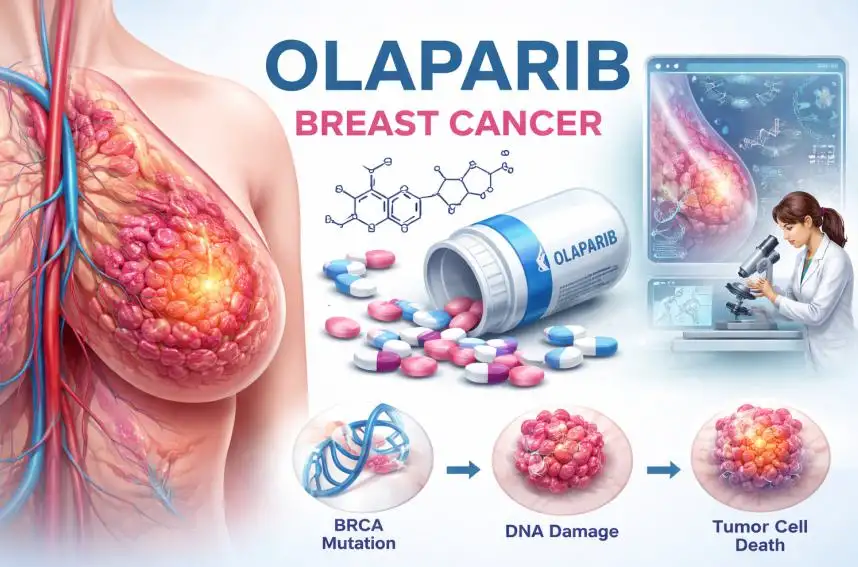
Olaparib (brand name Lynparza) is a PARP (poly ADP-ribose polymerase) inhibitor used in the treatment of certain types of breast cancer. It is particularly effective in patients who carry mutations in the BRCA1 or BRCA2 genes.
PARP inhibitors work by blocking a protein that helps repair damaged DNA. Cancer cells with BRCA mutations already struggle with DNA repair. When PARP is inhibited, these cells accumulate damage and eventually die, a concept known as synthetic lethality.
Olaparib is approved for:
-
HER2-negative metastatic breast cancer with BRCA mutations
-
High-risk early-stage BRCA-mutated breast cancer after chemotherapy
Types of Breast Cancer Treated with Olaparib
Olaparib breast cancer therapy is primarily indicated for:
| Type of Breast Cancer | Eligibility for Olaparib | Notes |
|---|---|---|
| HER2-negative metastatic breast cancer | Yes (with BRCA mutation) | Most common indication |
| Triple-negative breast cancer (TNBC) | Yes (if BRCA-mutated) | Often aggressive subtype |
| Early-stage high-risk BRCA-mutated breast cancer | Yes | Used as adjuvant therapy |
| HER2-positive breast cancer | Generally No | Not standard indication |
Because triple-negative breast cancer frequently overlaps with BRCA mutations, olaparib plays a significant role in its management.
Causes and Risk Factors
While olaparib is a treatment, understanding the underlying causes of breast cancer helps identify who may benefit most.
Major risk factors include:
-
Inherited BRCA1 or BRCA2 mutations
-
Family history of breast or ovarian cancer
-
Hormonal factors (early menstruation, late menopause)
-
Obesity and sedentary lifestyle
-
Radiation exposure
-
Age (risk increases with age)
BRCA mutations significantly raise lifetime breast cancer risk. Patients with these mutations are ideal candidates for olaparib breast cancer treatment.
Symptoms and Early Warning Signs
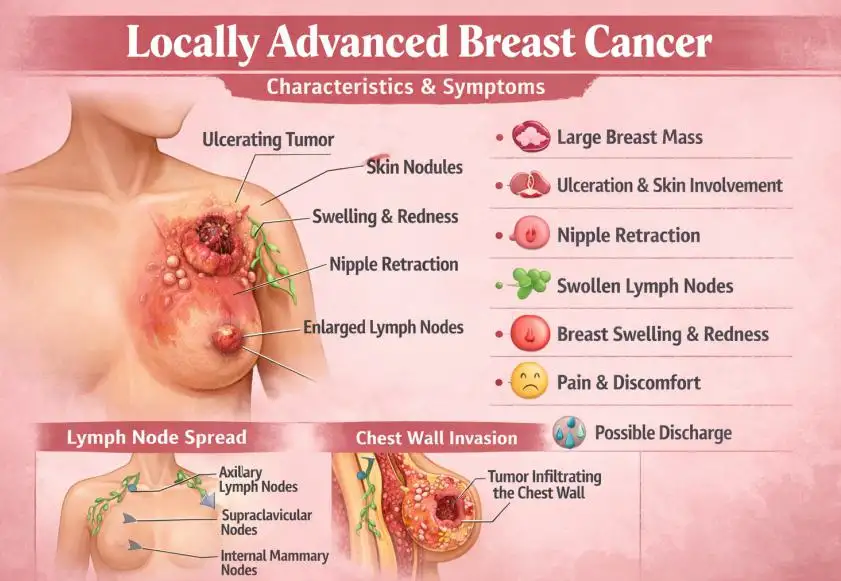
Breast cancer symptoms may vary, but early detection improves outcomes. Common warning signs include:
-
A lump in the breast or underarm
-
Changes in breast shape or size
-
Skin dimpling or redness
-
Nipple discharge
-
Persistent breast pain
Metastatic breast cancer may cause:
-
Bone pain
-
Shortness of breath
-
Fatigue
-
Unexplained weight loss
If you experience any of these symptoms, consult a healthcare professional promptly.
Diagnosis
Diagnosis of breast cancer and eligibility for olaparib typically involves:
-
Clinical breast examination
-
Imaging tests (mammogram, ultrasound, MRI)
-
Biopsy to confirm malignancy
-
Genetic testing for BRCA1/BRCA2 mutations
-
HER2 receptor testing
Genetic testing is essential before starting olaparib breast cancer therapy, as its effectiveness depends on BRCA mutation status.
Treatment Options
Olaparib is usually administered as an oral tablet taken twice daily. It may be used:
-
As monotherapy for metastatic disease
-
As adjuvant therapy after surgery and chemotherapy
-
In combination with other systemic treatments (in research settings)
Comparison of Treatment Options
| Treatment Type | Mechanism | Suitable For | Common Side Effects |
|---|---|---|---|
| Chemotherapy | Kills rapidly dividing cells | Broad breast cancer cases | Hair loss, nausea |
| Hormone therapy | Blocks estrogen effects | Hormone receptor-positive cancer | Hot flashes |
| Targeted therapy (Olaparib) | PARP inhibition | BRCA-mutated HER2-negative cancer | Fatigue, anemia |
| Immunotherapy | Stimulates immune response | Selected TNBC cases | Immune-related reactions |
Common side effects of olaparib include:
-
Nausea
-
Fatigue
-
Anemia
-
Decreased appetite
-
Low blood counts
Most side effects are manageable with supportive care.
Prevention and Lifestyle Recommendations
Although olaparib treats existing cancer, prevention strategies remain important:
-
Maintain a healthy weight
-
Exercise regularly
-
Limit alcohol intake
-
Avoid smoking
-
Undergo routine screening
-
Consider genetic counseling if there is family history
For BRCA mutation carriers, preventive options such as enhanced surveillance or prophylactic surgery may be discussed with healthcare providers.
Prognosis and Survival Rates
The prognosis for patients receiving olaparib breast cancer therapy depends on:
-
Stage of cancer
-
Overall health
-
Response to treatment
-
Genetic factors
Clinical studies show that olaparib significantly improves progression-free survival in metastatic BRCA-mutated breast cancer. In early-stage high-risk cases, adjuvant olaparib reduces recurrence risk and improves invasive disease-free survival.
Survival rates continue to improve as targeted therapies advance.
Latest Research and Innovations
Ongoing research is expanding the role of olaparib breast cancer therapy. Current areas of investigation include:
-
Combination therapies with immunotherapy
-
Use in non-BRCA homologous recombination deficiency (HRD) tumors
-
Biomarker-driven personalized treatment approaches
-
Earlier use in treatment sequencing
The development of next-generation PARP inhibitors may further enhance outcomes and reduce toxicity.
Coping and Support for Patients
A breast cancer diagnosis can be emotionally overwhelming. Patients using olaparib may benefit from:
-
Oncology support groups
-
Genetic counseling services
-
Psychological therapy
-
Nutritional guidance
-
Family education programs
Open communication with your healthcare team is vital. Tracking side effects and maintaining follow-up appointments helps optimize treatment success.
Conclusion
Olaparib breast cancer treatment represents a significant advancement in targeted oncology. By specifically attacking BRCA-mutated cancer cells through PARP inhibition, it offers improved outcomes with a more personalized approach.
If you are eligible for olaparib, understanding its benefits, risks, and role in your overall treatment plan can help you navigate your journey with confidence. As research continues, the future of precision medicine in breast cancer looks increasingly promising.
FAQ
1. Who is eligible for olaparib breast cancer treatment?
Patients with HER2-negative breast cancer who carry BRCA1 or BRCA2 mutations may be eligible.
2. Is olaparib chemotherapy?
No. It is a targeted therapy known as a PARP inhibitor.
3. How long is olaparib taken?
Duration varies. In early-stage disease, it may be prescribed for one year. In metastatic cases, it continues until disease progression or unacceptable toxicity.
4. What are the most common side effects?
Fatigue, nausea, anemia, and decreased appetite are commonly reported.
5. Does olaparib cure breast cancer?
It does not cure advanced breast cancer but can significantly delay progression and reduce recurrence risk in early-stage high-risk patients.