TC Treatment for Breast Cancer: A Complete Guide to Benefits, Process, and Outcomes
TC treatment for breast cancer is a widely used chemotherapy regimen designed to reduce the risk of cancer recurrence and improve long-term survival outcomes. For many patients diagnosed with early-stage or certain high-risk breast cancers, this treatment plays a crucial role as part of a comprehensive cancer care plan. Understanding how TC therapy works can help patients feel more confident and prepared throughout their treatment journey.
Facing breast cancer treatment can feel overwhelming, especially when complex medical terms are involved. This guide is designed to clearly explain TC treatment for breast cancer in a professional yet approachable way, helping readers understand what it is, who it is for, how it works, and what to expect before, during, and after therapy.
Overview of TC Treatment for Breast Cancer
TC treatment for breast cancer refers to a chemotherapy combination of docetaxel (T) and cyclophosphamide (C). It is commonly prescribed as adjuvant chemotherapy, meaning it is given after surgery to eliminate any remaining cancer cells and reduce the risk of recurrence.
This regimen is often selected because it provides strong cancer-fighting effectiveness while avoiding certain long-term heart-related side effects associated with other chemotherapy combinations. TC therapy is typically administered in cycles over several months under close medical supervision.
Types of TC Treatment for Breast Cancer
TC therapy can be tailored based on disease stage, patient health, and treatment goals.
| Type of TC Treatment | Description | Common Use Case |
|---|---|---|
| Standard TC Regimen | Docetaxel + cyclophosphamide every 3 weeks | Early-stage breast cancer |
| Dose-Dense TC | Shorter intervals between cycles | Higher-risk patients |
| Adjuvant TC | Given after surgery | Prevent recurrence |
| Neoadjuvant TC | Given before surgery | Shrink tumors before surgery |
Causes and Risk Factors
TC treatment for breast cancer is recommended based on cancer characteristics rather than causes alone. However, factors influencing the need for this therapy include:
-
Tumor size and grade
-
Lymph node involvement
-
Hormone receptor status
-
HER2-negative breast cancer
-
Younger age at diagnosis
-
Family history or genetic mutations
Patients with higher recurrence risk may benefit most from TC chemotherapy.
Symptoms and Early Warning Signs
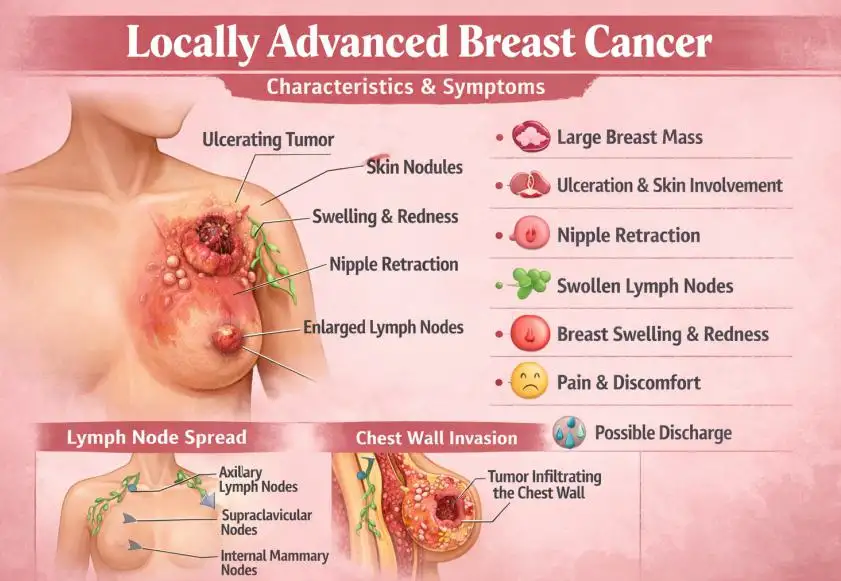
TC treatment does not address symptoms directly but targets cancer cells responsible for disease progression. Common breast cancer warning signs that may lead to treatment include:
-
A lump in the breast or underarm
-
Changes in breast size or shape
-
Skin dimpling or redness
-
Nipple discharge or inversion
-
Persistent breast pain
Early diagnosis improves the effectiveness of TC treatment for breast cancer.
Diagnosis
Before starting TC therapy, a thorough diagnostic process is required:
-
Mammography and breast ultrasound
-
Breast biopsy and pathology analysis
-
MRI or CT scans if needed
-
Blood tests and baseline heart function tests
-
Tumor staging and molecular profiling
These steps ensure TC treatment is appropriate and safe for the patient.
Treatment Options
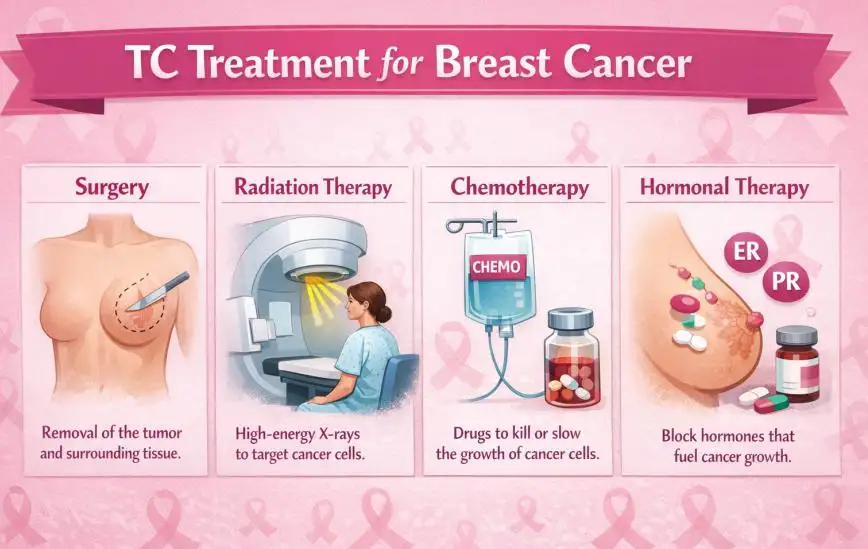
TC treatment for breast cancer is part of a broader treatment strategy that may include:
| Treatment Option | Purpose |
|---|---|
| Surgery | Remove the tumor |
| TC Chemotherapy | Kill remaining cancer cells |
| Radiation Therapy | Prevent local recurrence |
| Hormone Therapy | Block hormone-driven growth |
| Targeted Therapy | Address specific cancer markers |
TC chemotherapy is usually administered intravenously in outpatient settings.
Prevention and Lifestyle Recommendations
While TC treatment targets existing cancer, healthy lifestyle choices can support recovery and reduce future risk:
-
Maintain a balanced, nutrient-rich diet
-
Engage in regular physical activity as tolerated
-
Avoid smoking and limit alcohol intake
-
Manage stress through relaxation techniques
-
Attend all follow-up and screening appointments
These habits can enhance treatment tolerance and overall well-being.
Prognosis and Survival Rates
The prognosis for patients receiving TC treatment for breast cancer is generally favorable, especially in early-stage disease. Many studies show that TC therapy significantly reduces recurrence risk and improves long-term survival when used appropriately.
Outcomes depend on factors such as cancer stage, tumor biology, patient age, and overall health. Regular monitoring helps ensure the best possible results.
Latest Research and Innovations
Ongoing research continues to refine TC treatment for breast cancer by:
-
Identifying biomarkers that predict response
-
Optimizing dosage and cycle schedules
-
Reducing side effects with supportive medications
-
Combining TC therapy with newer targeted treatments
These innovations aim to improve effectiveness while minimizing treatment burden.
Coping and Support for Patients
Emotional and psychological support is essential during TC chemotherapy. Patients are encouraged to:
-
Join breast cancer support groups
-
Seek counseling or mental health support
-
Communicate openly with healthcare providers
-
Lean on family and friends for assistance
Supportive care helps patients stay resilient throughout treatment.
Conclusion
TC treatment for breast cancer is a proven and effective chemotherapy option that plays a vital role in modern breast cancer management. By understanding how it works, who benefits most, and how to navigate treatment, patients can take an active role in their care. With the right medical guidance and supportive lifestyle choices, TC therapy offers hope for improved outcomes and long-term health.
FAQ
1. What is TC treatment for breast cancer?
It is a chemotherapy regimen combining docetaxel and cyclophosphamide, commonly used after surgery to reduce recurrence risk.
2. How long does TC chemotherapy last?
Treatment usually involves 4 cycles given every 3 weeks, though schedules may vary.
3. Is TC treatment effective for early-stage breast cancer?
Yes, it is widely used and effective for many early-stage and high-risk cases.
4. What are common side effects of TC therapy?
Possible side effects include fatigue, hair loss, nausea, and temporary low blood counts, which are closely monitored.
5. Can lifestyle changes improve TC treatment outcomes?
Healthy habits can support recovery, improve tolerance to treatment, and enhance overall quality of life.