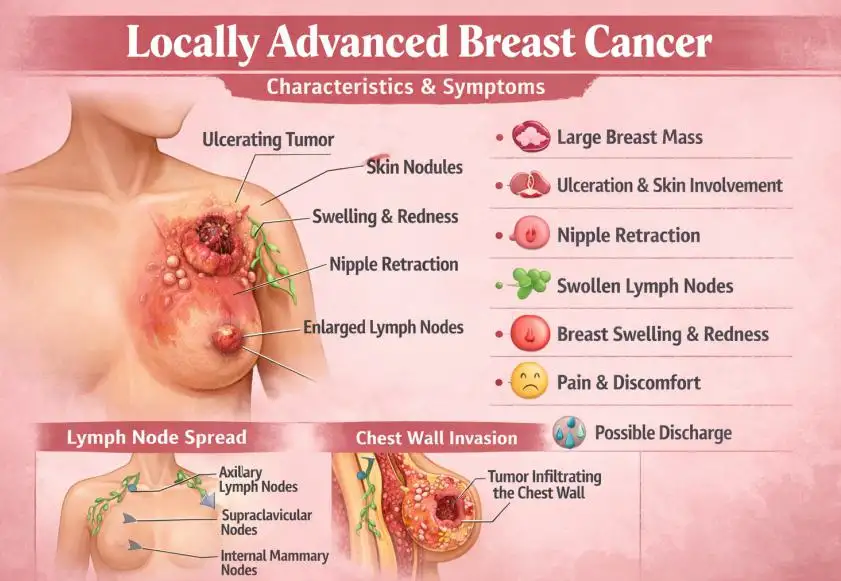
The Relationship Between Breast Cancer and Osteoporosis: Risks, Prevention, and Long-Term Bone Health
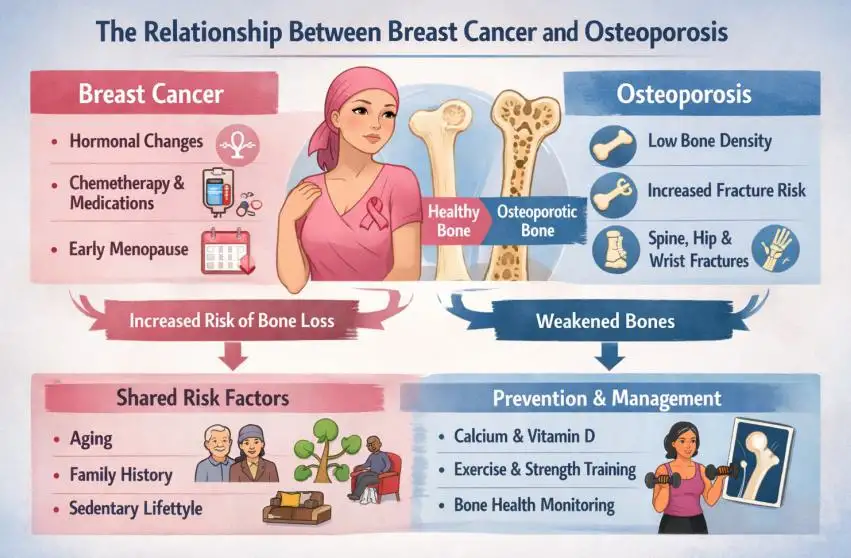
The Relationship Between Breast Cancer and Osteoporosis is an increasingly important topic in modern oncology and women’s health. As breast cancer survival rates improve, long-term side effects of treatment, particularly those affecting bone health, are receiving greater attention. Many women who undergo breast cancer therapy may experience bone density loss, increasing their risk of osteoporosis and fractures.
Understanding this connection empowers you to take proactive steps. Whether you are newly diagnosed, undergoing treatment, or a long-term survivor, learning how breast cancer therapies influence bone metabolism can help you protect your skeletal health and maintain a better quality of life.
Overview
Breast cancer and osteoporosis are two distinct medical conditions, yet they are closely linked through hormonal pathways and cancer treatments.
Breast cancer is a malignant tumor that develops in breast tissue, often influenced by hormones such as estrogen and progesterone.
Osteoporosis is a condition characterized by decreased bone mass and structural deterioration, leading to fragile bones and increased fracture risk.
The connection primarily arises because many breast cancer treatments reduce estrogen levels. Since estrogen plays a vital role in maintaining bone density, lowering its levels can accelerate bone loss, particularly in postmenopausal women.
Types
Types of Breast Cancer Associated with Bone Risk
Certain types of breast cancer require treatments that more strongly impact bone health:
-
Hormone receptor-positive breast cancer
-
HER2-positive breast cancer
-
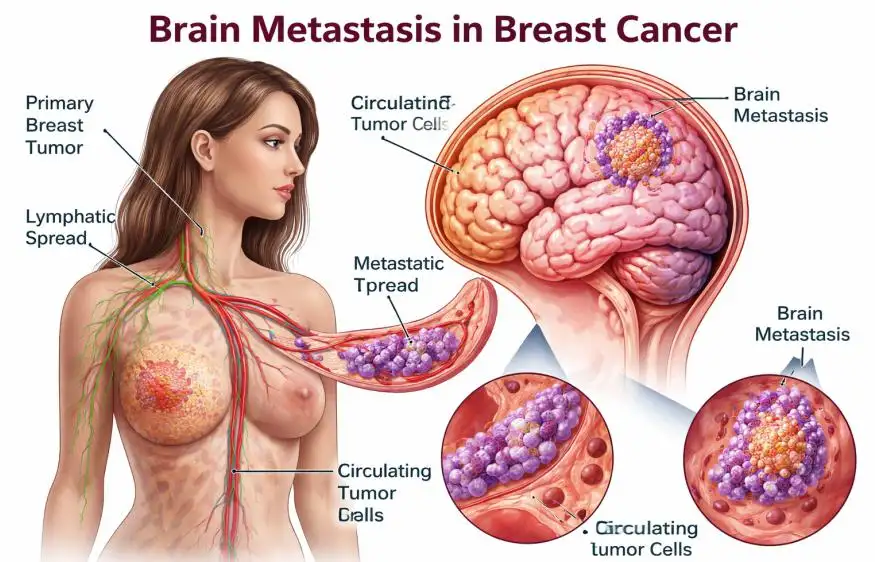
Metastatic breast cancer (especially when spread to bone)
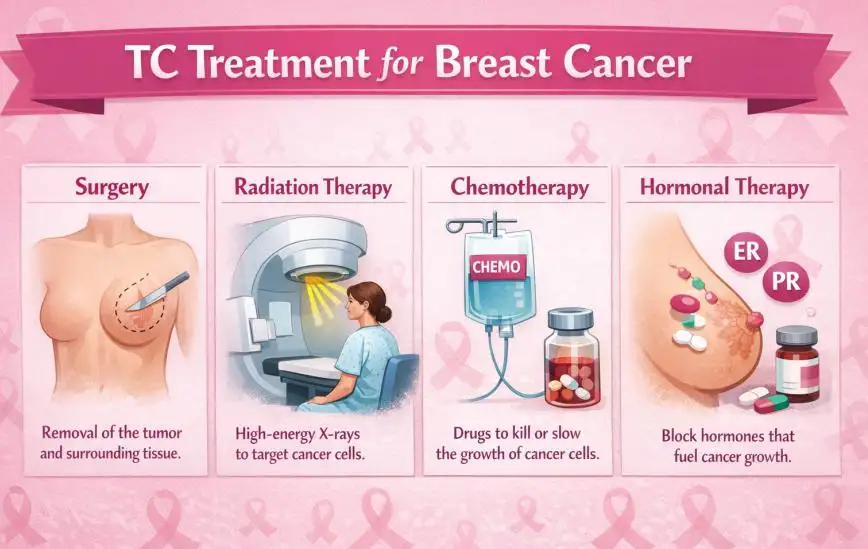
Hormone receptor-positive cancers are particularly relevant because they are often treated with long-term endocrine (hormonal) therapy that suppresses estrogen.
Types of Osteoporosis
Osteoporosis linked to breast cancer can be categorized as:
| Type | Description | Common Trigger |
|---|---|---|
| Primary Osteoporosis | Age-related bone loss | Natural menopause |
| Secondary Osteoporosis | Caused by medical conditions or treatments | Cancer therapy |
| Treatment-Induced Bone Loss | Accelerated bone loss from hormonal therapy | Aromatase inhibitors, chemotherapy |
Treatment-induced bone loss is the most significant concern in breast cancer survivors.
Causes and Risk Factors
Understanding The Relationship Between Breast Cancer and Osteoporosis requires examining shared risk factors and treatment effects.
1. Hormonal Therapy
Drugs such as:
-
Tamoxifen
-
Anastrozole
-
Letrozole
These medications reduce estrogen activity. Aromatase inhibitors, in particular, significantly accelerate bone loss in postmenopausal women.
2. Chemotherapy-Induced Menopause
Chemotherapy can trigger early menopause, leading to sudden estrogen decline and rapid bone density reduction.
3. Ovarian Suppression Therapy
Treatments that intentionally suppress ovarian function can dramatically lower estrogen levels.
4. Shared Risk Factors
Both breast cancer and osteoporosis share common risk factors:
-
Advancing age
-
Family history
-
Low body weight
-
Sedentary lifestyle
-
Smoking
-
Vitamin D deficiency
Symptoms and Early Warning Signs
One challenge in managing The Relationship Between Breast Cancer and Osteoporosis is that osteoporosis is often silent.
Breast Cancer Symptoms
-
Lump in the breast
-
Skin changes
-
Nipple discharge
-
Breast pain
Osteoporosis Symptoms
-
Often no symptoms initially
-
Back pain
-
Loss of height
-
Fragility fractures (hip, spine, wrist)
Because osteoporosis progresses quietly, routine bone monitoring is essential for breast cancer patients receiving hormone therapy.
Diagnosis
Early detection significantly improves outcomes.
For Breast Cancer
-
Mammography
-
Ultrasound
-
MRI
-
Biopsy
For Osteoporosis
The gold standard diagnostic test is:
-
DEXA scan (Dual-energy X-ray Absorptiometry)
| Diagnostic Tool | Purpose |
|---|---|
| Mammogram | Detects breast abnormalities |
| Biopsy | Confirms cancer |
| DEXA Scan | Measures bone mineral density |
| Blood Tests | Assess calcium & vitamin D levels |
Bone density testing is often recommended before and during long-term endocrine therapy.
Treatment Options
Addressing The Relationship Between Breast Cancer and Osteoporosis involves balancing cancer control with bone protection.
1. Bone-Protective Medications
-
Zoledronic acid
-
Alendronate
-
Denosumab
These medications strengthen bones and reduce fracture risk.
2. Calcium and Vitamin D Supplementation
Essential for maintaining bone strength during cancer treatment.
3. Adjusted Cancer Therapy
In some cases, oncologists may tailor hormone therapy based on bone density results.
4. Exercise Therapy
Weight-bearing and resistance training significantly improve bone density.
Prevention and Lifestyle Recommendations
You can actively reduce your risk of osteoporosis during and after breast cancer treatment.
Lifestyle Strategy Checklist
| Recommendation | Benefit |
|---|---|
| Weight-bearing exercise | Stimulates bone formation |
| Adequate calcium intake | Maintains bone mass |
| Vitamin D optimization | Improves calcium absorption |
| Avoid smoking | Reduces bone loss |
| Limit alcohol | Protects bone integrity |
Aim for at least 30 minutes of weight-bearing activity most days of the week.
Prognosis and Survival Rates
Thanks to advancements in early detection and treatment, breast cancer survival rates have improved dramatically. Many patients now live long enough for long-term bone health to become a major consideration.
When properly managed:
-
Osteoporosis-related fractures can be prevented.
-
Bone density can be stabilized or improved.
-
Quality of life remains high.
Proactive bone care significantly reduces long-term complications.
Latest Research and Innovations
Ongoing research continues to refine our understanding of The Relationship Between Breast Cancer and Osteoporosis.
Emerging areas include:
-
Use of bone-modifying agents to reduce cancer recurrence
-
Personalized endocrine therapy
-
Genetic profiling for fracture risk prediction
-
New biologic therapies targeting bone remodeling pathways
Recent studies also suggest certain bone-protective medications may reduce the risk of cancer spreading to bone.
Coping and Support for Patients
Managing both breast cancer and osteoporosis can feel overwhelming—but you are not alone.
Helpful resources include:
-
Oncology care teams
-
Endocrinologists
-
Physical therapists
-
Nutritionists
-
Cancer support groups
Open communication with your healthcare team ensures comprehensive care that addresses both cancer treatment and bone preservation.
Conclusion
The Relationship Between Breast Cancer and Osteoporosis is a critical aspect of survivorship care. While breast cancer treatments can increase the risk of bone loss, proactive monitoring, lifestyle changes, and appropriate medications can significantly reduce complications.
By understanding the hormonal connection and taking preventive steps early, you can protect both your life and your long-term bone health. Speak with your healthcare provider about bone density testing and personalized prevention strategies.
FAQ
1. Why does breast cancer treatment cause osteoporosis?
Many treatments lower estrogen levels, and estrogen is essential for maintaining bone density.
2. Should all breast cancer patients get a bone density test?
Patients receiving hormone therapy, especially aromatase inhibitors, should discuss DEXA scanning with their doctor.
3. Can osteoporosis be reversed after cancer treatment?
Bone density can often be improved or stabilized with medications, supplements, and exercise.
4. Are aromatase inhibitors worse for bones than tamoxifen?
Yes. Aromatase inhibitors are more strongly associated with bone loss in postmenopausal women.
5. How can I protect my bones during breast cancer treatment?
Maintain adequate calcium and vitamin D intake, exercise regularly, avoid smoking, limit alcohol, and follow your doctor’s recommendations for bone monitoring.