Breast and Cervical Cancer Treatment Program: Comprehensive Guide to Care, Prevention, and Survival

A well-structured breast and cervical cancer treatment program plays a vital role in reducing cancer-related mortality among women worldwide. Breast and cervical cancers remain two of the most common cancers affecting women, yet early detection and coordinated treatment significantly improve outcomes. Understanding how these programs work empowers you to make informed healthcare decisions for yourself or your loved ones.
In many countries, national and regional healthcare systems collaborate with global organizations such as the World Health Organization and the American Cancer Society to implement comprehensive screening, diagnosis, and treatment initiatives. These structured programs combine prevention, early detection, and advanced therapies to ensure accessible, effective cancer care.
Overview of a Breast and Cervical Cancer Treatment Program
A breast and cervical cancer treatment program is an organized healthcare initiative designed to:
-
Promote early detection through screening
-
Provide accurate diagnosis
-
Deliver standardized treatment protocols
-
Offer follow-up and survivorship care
-
Support patient education and counseling
These programs may be national, community-based, or hospital-driven. They often integrate multidisciplinary teams including oncologists, surgeons, radiologists, gynecologists, pathologists, nurses, and social workers.
Core Components of the Program
| Component | Purpose | Target Group |
|---|---|---|
| Screening | Detect cancer early | Women at recommended screening age |
| Diagnostic Testing | Confirm abnormal findings | Individuals with suspicious results |
| Treatment | Remove or control cancer | Diagnosed patients |
| Follow-up Care | Monitor recurrence | Survivors |
| Education & Counseling | Promote awareness & adherence | General population & patients |
Types of Breast and Cervical Cancer
Understanding the types of cancers addressed within a breast and cervical cancer treatment program helps clarify treatment strategies.
Breast Cancer Types
-
Invasive Ductal Carcinoma (IDC)
-
Invasive Lobular Carcinoma (ILC)
-
Ductal Carcinoma In Situ (DCIS)
-
Triple-negative breast cancer
-
HER2-positive breast cancer
Cervical Cancer Types
-
Squamous Cell Carcinoma (most common)
-
Adenocarcinoma
-
Adenosquamous carcinoma
Each type may respond differently to therapy, which is why individualized treatment planning is crucial.
Causes and Risk Factors
While no cancer has a single cause, several risk factors increase susceptibility.
Breast Cancer Risk Factors
-
Increasing age
-
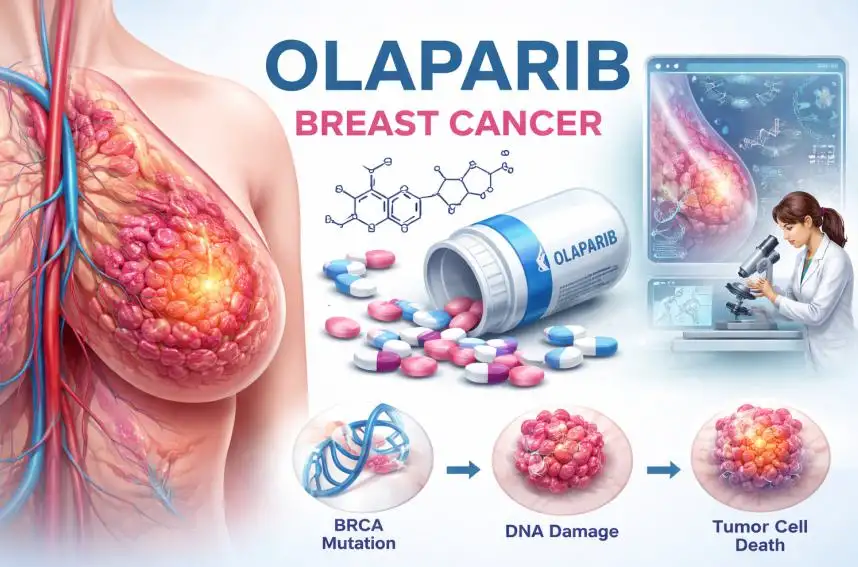
Family history and BRCA gene mutations
-
Hormonal factors
-
Obesity
-
Alcohol consumption
-
Early menstruation or late menopause
Cervical Cancer Risk Factors
-
Persistent infection with Human Papillomavirus (HPV)
-
Early sexual activity
-
Multiple sexual partners
-
Smoking
-
Weakened immune system
Many breast and cervical cancer treatment programs incorporate prevention strategies such as HPV vaccination and genetic counseling.
Symptoms and Early Warning Signs
Early detection saves lives. Recognizing warning signs is critical.
Breast Cancer Symptoms
-
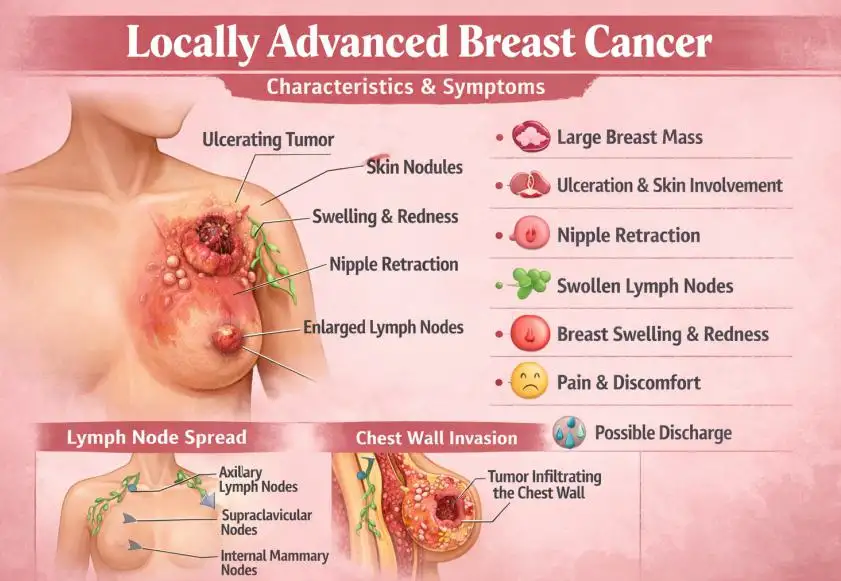
Lump in the breast or underarm
-
Changes in breast shape or size
-
Skin dimpling
-
Nipple discharge
-
Persistent breast pain
Cervical Cancer Symptoms
-
Abnormal vaginal bleeding
-
Bleeding after intercourse
-
Pelvic pain
-
Unusual vaginal discharge
Regular screening helps detect cancer even before symptoms appear.
Diagnosis
Accurate diagnosis is a cornerstone of any breast and cervical cancer treatment program.
Diagnostic Tests for Breast Cancer
-
Mammography
-
Breast ultrasound
-
MRI
-
Biopsy
-
Hormone receptor testing
Diagnostic Tests for Cervical Cancer
-
Pap smear
-
HPV testing
-
Colposcopy
-
Cervical biopsy
-
Imaging (CT, MRI, PET scans)
Early-stage cancers detected through screening have significantly higher survival rates.
Treatment Options
Treatment varies depending on cancer stage, type, and patient health.
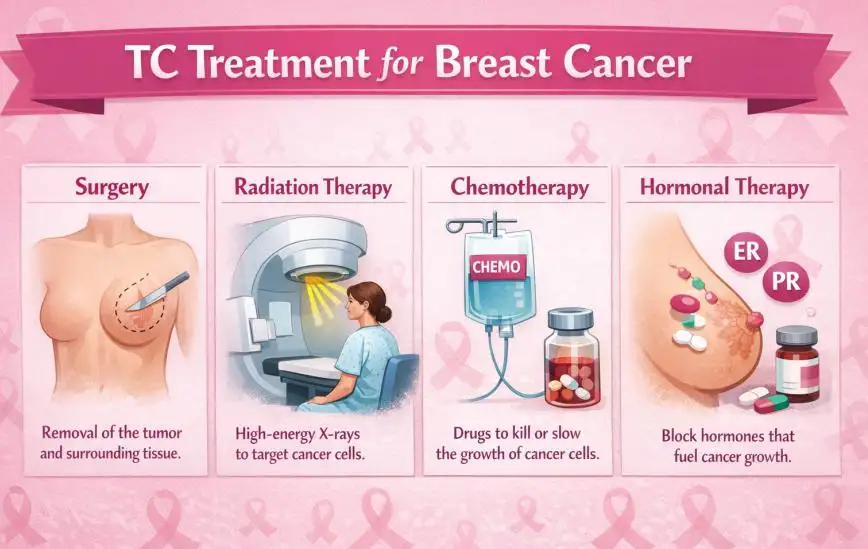
Breast Cancer Treatments
| Treatment Type | Purpose |
|---|---|
| Surgery (Lumpectomy/Mastectomy) | Remove tumor |
| Chemotherapy | Kill cancer cells |
| Radiation Therapy | Destroy remaining cancer cells |
| Hormone Therapy | Block hormone-driven growth |
| Targeted Therapy | Attack specific cancer proteins |
| Immunotherapy | Enhance immune response |
Cervical Cancer Treatments
| Treatment Type | Purpose |
|---|---|
| Surgery (Conization/Hysterectomy) | Remove cancerous tissue |
| Radiation Therapy | Destroy cancer cells |
| Chemotherapy | Shrink or eliminate cancer |
| Chemoradiation | Combined therapy for advanced stages |
| Targeted Therapy | Block tumor growth pathways |
Comprehensive programs ensure that treatment is evidence-based and personalized.
Prevention and Lifestyle Recommendations
Prevention strategies are essential components of a successful breast and cervical cancer treatment program.
Preventive Measures
-
Regular mammograms
-
Routine Pap smears
-
HPV vaccination
-
Maintaining healthy weight
-
Balanced diet rich in fruits and vegetables
-
Regular physical activity
-
Avoiding smoking
-
Limiting alcohol intake
Empowering women through education dramatically reduces cancer burden.
Prognosis and Survival Rates
Survival rates depend largely on stage at diagnosis.
| Cancer Type | 5-Year Survival Rate (Early Stage) |
|---|---|
| Breast Cancer | Over 90% |
| Cervical Cancer | Approximately 92% |
Advanced-stage cancers have lower survival rates, which emphasizes the importance of screening and early intervention within a structured breast and cervical cancer treatment program.
Latest Research and Innovations
Medical science continues to evolve, improving patient outcomes.
Emerging Advances
-
Liquid biopsy for early detection
-
Personalized medicine based on genetic profiling
-
Immunotherapy combinations
-
AI-assisted imaging for screening accuracy
-
Minimally invasive surgical techniques
Global initiatives led by organizations like the National Cancer Institute are accelerating breakthroughs in cancer prevention and treatment.
Coping and Support for Patients
Cancer affects more than the body—it impacts emotional, psychological, and social well-being.
Support services within a breast and cervical cancer treatment program may include:
-
Psychological counseling
-
Support groups
-
Nutritional counseling
-
Pain management services
-
Fertility counseling
-
Financial assistance guidance
Open communication with healthcare providers helps patients navigate treatment confidently.
Conclusion
A comprehensive breast and cervical cancer treatment program is essential in the fight against two of the most prevalent cancers among women. Through prevention, early detection, accurate diagnosis, personalized treatment, and holistic support, these programs significantly improve survival rates and quality of life.
By staying informed, attending regular screenings, and adopting healthy lifestyle habits, you actively participate in protecting your health. Early action truly saves lives.
FAQ
1. What is a breast and cervical cancer treatment program?
It is an organized healthcare initiative that provides screening, diagnosis, treatment, and follow-up care for breast and cervical cancers.
2. Who should participate in screening programs?
Women within recommended age groups, individuals with family history, and those at higher risk should participate regularly.
3. Is HPV vaccination part of these programs?
Yes. Many programs include HPV vaccination to prevent cervical cancer.
4. Can early-stage breast and cervical cancer be cured?
Yes. Early-stage cancers have very high survival rates when treated promptly.
5. How often should screening be done?
Screening frequency depends on age and risk factors. Consult your healthcare provider for personalized recommendations.