Head and Neck Cancer Immunotherapy: Advances, Benefits, and What Patients Need to Know
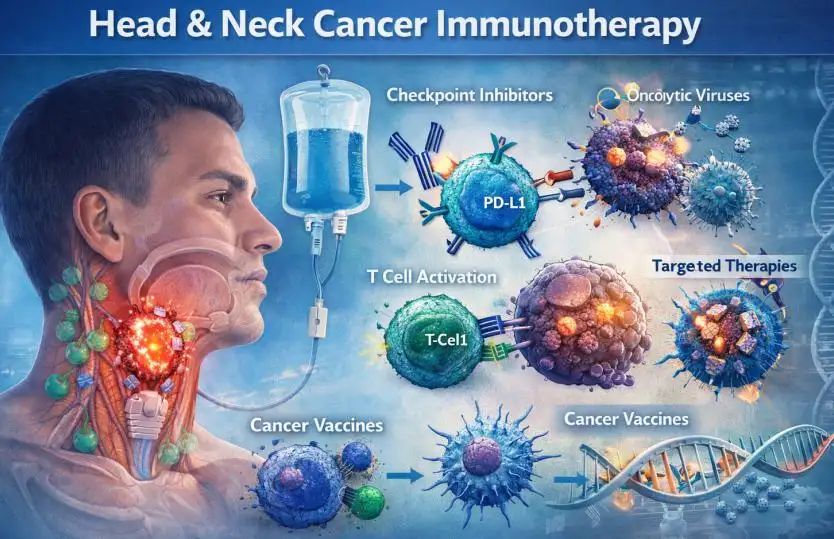
Head and neck cancers affect thousands of people worldwide each year, impacting vital functions such as speaking, swallowing, and breathing. While traditional treatments like surgery, radiation therapy, and chemotherapy have long been the standard of care, medical science has made remarkable progress in recent years. One of the most significant breakthroughs is head and neck cancer immunotherapy, a treatment approach that harnesses the body’s own immune system to fight cancer cells.
If you or a loved one has been diagnosed with head and neck cancer, understanding modern treatment options can empower you to make informed decisions. This comprehensive guide explores how head and neck cancer immunotherapy works, who may benefit from it, its effectiveness, potential side effects, and the latest research shaping the future of cancer care.
Overview
Head and neck cancer refers to a group of cancers that develop in the mouth, throat, larynx (voice box), nasal cavity, sinuses, or salivary glands. The majority are classified as squamous cell carcinomas, arising from the flat cells lining these areas.
Head and neck cancer immunotherapy is a targeted treatment strategy designed to stimulate or restore the immune system’s ability to recognize and destroy cancer cells. Unlike chemotherapy, which attacks rapidly dividing cells indiscriminately, immunotherapy focuses on enhancing immune response, often resulting in fewer systemic side effects for some patients.
Immunotherapy is most commonly used in recurrent or metastatic head and neck squamous cell carcinoma (HNSCC), particularly when the cancer has returned after standard treatments.
Types
Head and neck cancers are categorized based on their location and cellular origin. Understanding the type of cancer helps determine whether immunotherapy may be appropriate.
Common Types of Head and Neck Cancer
| Type | Location | Notes |
|---|---|---|
| Oral cavity cancer | Lips, tongue, gums, floor of mouth | Often linked to tobacco and alcohol use |
| Oropharyngeal cancer | Back of throat, tonsils | Frequently associated with HPV infection |
| Laryngeal cancer | Voice box | May affect speech and breathing |
| Nasopharyngeal cancer | Upper throat behind the nose | More common in certain geographic regions |
| Hypopharyngeal cancer | Lower part of throat | Often diagnosed at advanced stages |
Immunotherapy is most widely used for advanced or recurrent head and neck squamous cell carcinoma (HNSCC).
Causes and Risk Factors
Several risk factors increase the likelihood of developing head and neck cancer. Understanding them may also help explain who might benefit most from immunotherapy.
Major Risk Factors
-
Tobacco use (smoking and smokeless tobacco)
-
Heavy alcohol consumption
-
Human papillomavirus (HPV), especially HPV-16
-
Epstein-Barr virus (EBV)
-
Prolonged sun exposure (for lip cancer)
-
Poor oral hygiene
-
Occupational exposure to certain chemicals
-
Weakened immune system
HPV-related cancers often respond differently to treatment and may have a better prognosis compared to non-HPV-related cancers.
Symptoms and Early Warning Signs
Early detection plays a critical role in treatment success. Symptoms may vary depending on the tumor location but often include:
-
Persistent sore throat
-
Difficulty swallowing
-
Hoarseness or voice changes
-
A lump in the neck
-
Unexplained weight loss
-
Mouth sores that do not heal
-
Ear pain
-
Nasal congestion or nosebleeds (for nasal cancers)
If these symptoms persist for more than two weeks, medical evaluation is recommended.
Diagnosis
Diagnosing head and neck cancer typically involves:
-
Physical examination and medical history
-
Endoscopy to visualize internal structures
-
Imaging tests (CT scan, MRI, PET scan)
-
Biopsy to confirm cancer type
-
HPV testing for oropharyngeal cancers
-
PD-L1 testing to assess suitability for immunotherapy
PD-L1 expression testing is particularly important when considering head and neck cancer immunotherapy, as certain immunotherapy drugs are more effective in patients with higher PD-L1 levels.
Treatment Options
Treatment depends on cancer stage, location, overall health, and biomarker status.
Standard Treatments
| Treatment | Purpose | Common Use |
|---|---|---|
| Surgery | Remove tumor | Early-stage disease |
| Radiation therapy | Destroy cancer cells | Alone or after surgery |
| Chemotherapy | Kill rapidly dividing cells | Advanced or metastatic cases |
| Targeted therapy | Block specific cancer pathways | Combined with other treatments |
Head and Neck Cancer Immunotherapy
Immunotherapy is typically used for:
-
Recurrent cancer
-
Metastatic disease
-
Cancer that did not respond to chemotherapy
The most common type is immune checkpoint inhibitors. These drugs block proteins such as PD-1 or PD-L1, which cancer cells use to evade immune detection. By inhibiting these checkpoints, the immune system can attack tumor cells more effectively.
Benefits of immunotherapy may include:
-
Longer-lasting responses in some patients
-
Potentially fewer severe side effects compared to chemotherapy
-
Improved quality of life in selected cases
However, immunotherapy can also cause immune-related side effects such as inflammation of the lungs, thyroid dysfunction, or skin reactions.
Prevention and Lifestyle Recommendations
While not all head and neck cancers are preventable, several strategies can reduce risk:
-
Quit smoking and avoid tobacco products
-
Limit alcohol intake
-
Receive HPV vaccination
-
Maintain good oral hygiene
-
Eat a balanced diet rich in fruits and vegetables
-
Schedule regular dental and medical check-ups
For patients undergoing head and neck cancer immunotherapy, maintaining overall health through proper nutrition, exercise, and stress management can help support immune function.
Prognosis and Survival Rates
Prognosis depends on several factors:
-
Cancer stage at diagnosis
-
HPV status
-
Overall health
-
Response to treatment
-
PD-L1 expression levels
HPV-positive oropharyngeal cancers often have better survival rates than HPV-negative cancers.
Immunotherapy has improved outcomes for some patients with advanced or metastatic disease. While not all patients respond, those who do may experience durable, long-term remission. Ongoing research continues to refine patient selection to maximize benefits.
Latest Research and Innovations
The field of head and neck cancer immunotherapy is rapidly evolving. Current research focuses on:
-
Combination therapies (immunotherapy + chemotherapy or radiation)
-
Dual immune checkpoint inhibitors
-
Personalized cancer vaccines
-
Biomarker-driven treatment selection
-
CAR-T cell therapy for solid tumors
Clinical trials are exploring how immunotherapy can be used earlier in treatment, including before surgery (neoadjuvant therapy). Researchers are also investigating strategies to overcome resistance in patients who do not initially respond.
Staying informed about clinical trials may provide access to cutting-edge treatments.
Coping and Support for Patients
A head and neck cancer diagnosis can be emotionally and physically overwhelming. Treatment may affect speech, eating, and appearance, impacting quality of life.
Support strategies include:
-
Working with a multidisciplinary care team
-
Speech and swallowing therapy
-
Nutritional counseling
-
Mental health support
-
Joining cancer support groups
-
Connecting with patient advocacy organizations
Open communication with healthcare providers helps manage side effects and improve treatment outcomes. Never hesitate to ask questions about your head and neck cancer immunotherapy plan.
Conclusion
Head and neck cancer immunotherapy represents a major advancement in cancer treatment, offering hope for patients with advanced or recurrent disease. By enhancing the immune system’s ability to recognize and destroy cancer cells, immunotherapy has transformed the therapeutic landscape.
While not every patient responds to immunotherapy, ongoing research continues to improve its effectiveness and expand its applications. If you or someone you love is facing head and neck cancer, discussing immunotherapy with your oncology team may open new treatment possibilities.
Early detection, risk factor management, and personalized treatment planning remain key to improving survival and quality of life.
FAQ
1. What is head and neck cancer immunotherapy?
Head and neck cancer immunotherapy is a treatment that stimulates the body’s immune system to identify and attack cancer cells, often using immune checkpoint inhibitors.
2. Who is eligible for immunotherapy?
Patients with recurrent or metastatic head and neck squamous cell carcinoma, especially those with PD-L1 expression, may be candidates.
3. Is immunotherapy safer than chemotherapy?
Immunotherapy often has a different side effect profile and may be better tolerated in some patients, but it can still cause serious immune-related reactions.
4. How long does immunotherapy treatment last?
Treatment duration varies but may continue for months or years, depending on response and tolerance.
5. Can immunotherapy cure head and neck cancer?
In some cases, immunotherapy can lead to long-term remission. However, it is not guaranteed to cure all patients.
6. Are there clinical trials available?
Yes. Many ongoing clinical trials are investigating new combinations and innovative immunotherapy approaches. Patients should discuss trial eligibility with their healthcare provider.