Brain Metastasis in Breast Cancer: Symptoms, Treatment Options, and Survival Insights
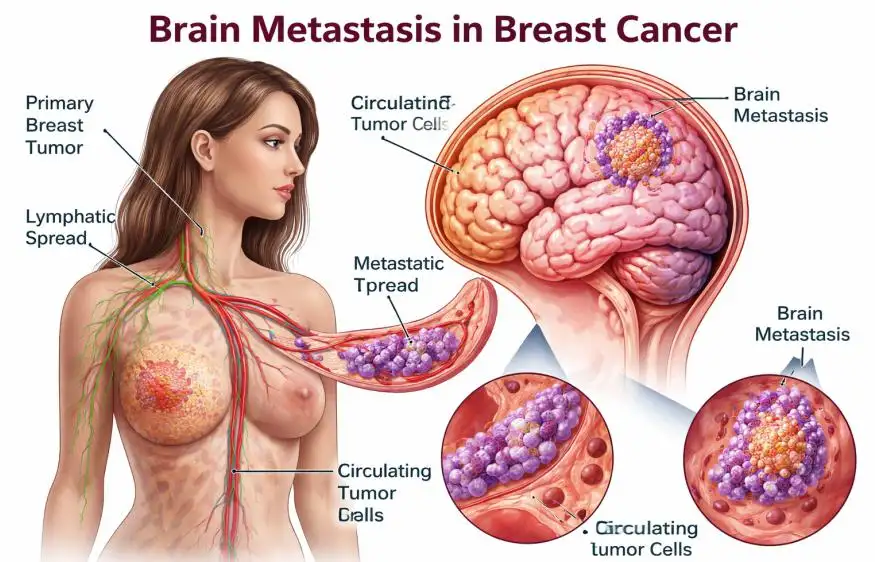
Brain metastasis in breast cancer is a serious complication that occurs when cancer cells spread from the breast to the brain. Although breast cancer is one of the most commonly diagnosed cancers worldwide, advances in treatment have significantly improved survival rates. However, as patients live longer, the risk of distant metastases, including to the brain, has become more clinically relevant.
Understanding brain metastasis in breast cancer is crucial for early detection, timely intervention, and improved outcomes. If you or a loved one is navigating advanced breast cancer, being informed about symptoms, diagnostic tools, treatment options, and prognosis can empower you to make confident, evidence-based decisions in collaboration with your healthcare team.
Overview
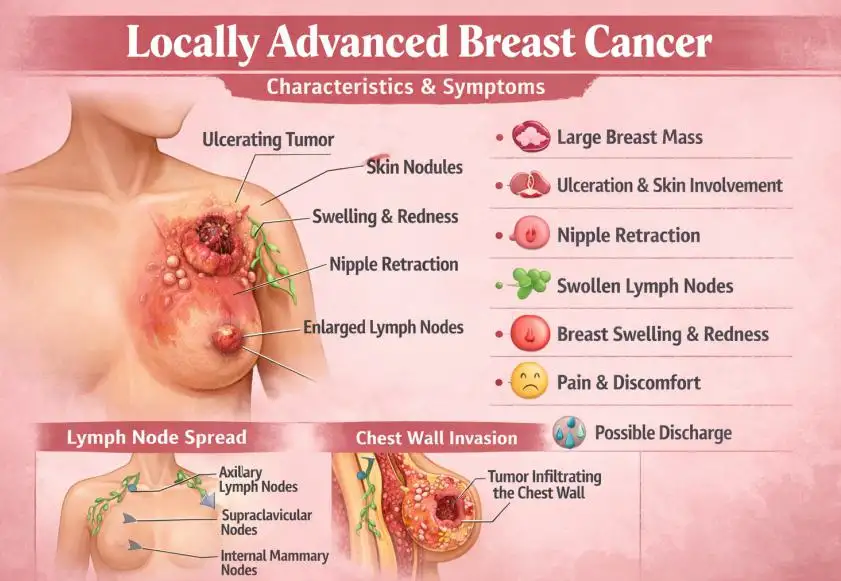
Breast cancer originates in the breast tissue but can spread (metastasize) to distant organs such as the bones, lungs, liver, and brain. When cancer cells travel through the bloodstream or lymphatic system and form tumors in the brain, the condition is referred to as brain metastasis in breast cancer.
Brain metastases are considered stage IV (metastatic) disease. They may develop months or even years after the initial breast cancer diagnosis. While not all breast cancer patients will experience brain involvement, certain biological subtypes are associated with a higher risk.
Types
Brain metastasis in breast cancer can be categorized based on tumor characteristics and location.
1. Based on Breast Cancer Subtype
Different molecular subtypes carry varying risks:
| Breast Cancer Subtype | Risk of Brain Metastasis | Key Characteristics |
|---|---|---|
| HER2-positive | High | Overexpression of HER2 protein |
| Triple-negative | High | Lacks ER, PR, and HER2 receptors |
| Hormone receptor-positive (ER/PR+) | Moderate to low | Driven by estrogen or progesterone |
Patients with HER2-positive or triple-negative breast cancer are more likely to develop brain metastases.
2. Based on Brain Lesion Location
| Location | Description |
|---|---|
| Parenchymal metastases | Tumors within brain tissue |
| Leptomeningeal metastases | Cancer spread to membranes covering brain and spinal cord |
| Cerebellar metastases | Tumors in the cerebellum affecting balance |
Each type presents unique symptoms and treatment considerations.
Causes and Risk Factors
Brain metastasis in breast cancer occurs when cancer cells detach from the primary tumor and enter the bloodstream. While the exact mechanism is complex, several risk factors increase the likelihood:
-
Advanced stage at initial diagnosis
-
HER2-positive or triple-negative subtype
-
Younger age at diagnosis
-
High tumor grade
-
Prior metastases to lungs or liver
-
Incomplete response to systemic therapy
Biological differences in tumor cells allow some to cross the blood, brain barrier, making the brain a challenging site to treat effectively.
Symptoms and Early Warning Signs
Symptoms of brain metastasis in breast cancer depend on tumor size, number, and location. Common signs include:
-
Persistent headaches
-
Nausea or vomiting
-
Seizures
-
Vision problems
-
Weakness or numbness on one side
-
Memory difficulties
-
Balance or coordination issues
-
Personality or behavioral changes
If you notice new neurological symptoms, immediate medical evaluation is essential. Early detection often improves treatment outcomes.
Diagnosis
Accurate diagnosis is critical for effective management.
Imaging Techniques
Magnetic Resonance Imaging is the gold standard for detecting brain metastases due to its high sensitivity and detailed imaging.
Other diagnostic tools include:
-
CT scan (when MRI is unavailable)
-
PET scan (to assess systemic disease)
-
Lumbar puncture (for suspected leptomeningeal disease)
Biopsy
In rare cases, a biopsy may be required to confirm diagnosis or rule out other brain tumors.
Treatment Options
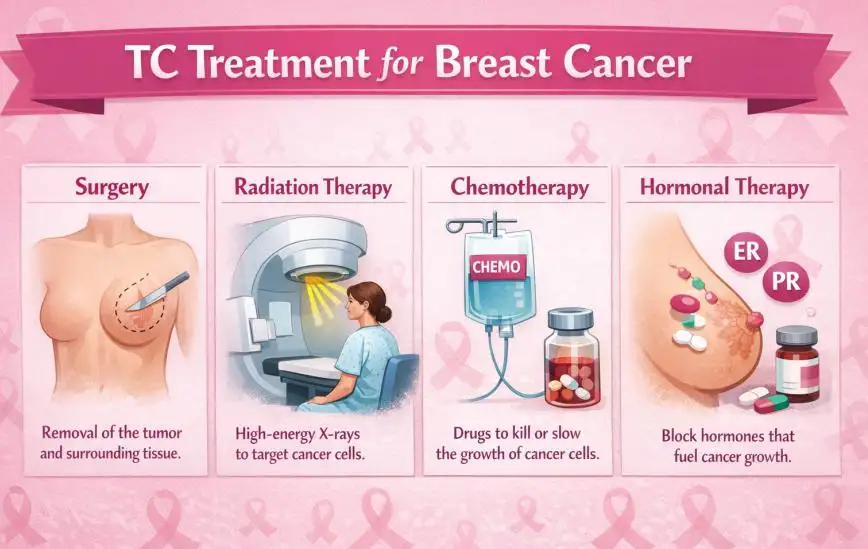
Treatment for brain metastasis in breast cancer is individualized and often involves a multidisciplinary team including oncologists, neurosurgeons, and radiation specialists.
1. Surgery
Surgical removal may be considered for:
-
Single or limited brain lesions
-
Large tumors causing pressure symptoms
-
Accessible tumor locations
2. Radiation Therapy
Whole-brain radiation therapy is used for multiple metastases, while Stereotactic radiosurgery delivers focused radiation to specific lesions with minimal impact on surrounding tissue.
3. Systemic Therapy
Targeted therapies and chemotherapy may help control both systemic and brain disease, especially in HER2-positive cases.
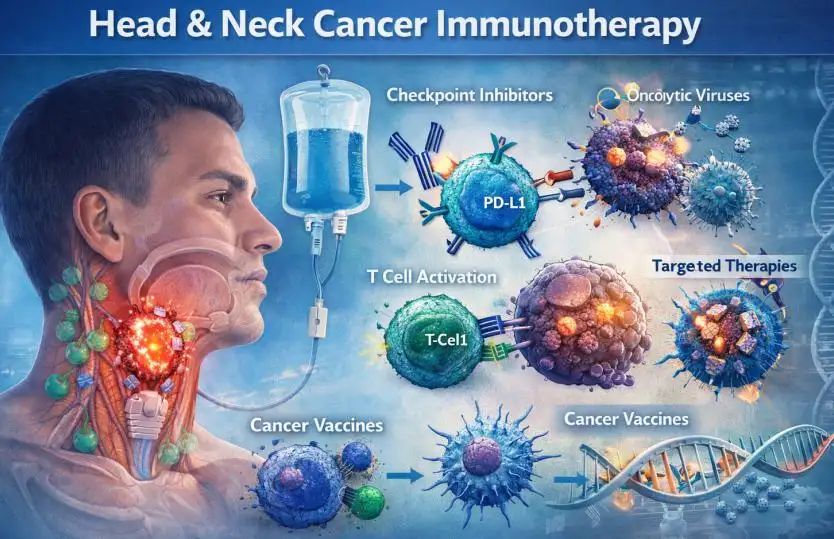
4. Immunotherapy
Emerging immunotherapy treatments show promise, particularly in triple-negative breast cancer patients.
5. Supportive Care
Corticosteroids reduce swelling, and anti-seizure medications help manage neurological symptoms.
Prevention and Lifestyle Recommendations
Although brain metastasis in breast cancer cannot always be prevented, certain strategies may reduce risk:
-
Adhering strictly to prescribed cancer treatments
-
Regular follow-up imaging for high-risk patients
-
Maintaining a healthy weight
-
Engaging in moderate physical activity
-
Avoiding smoking and excessive alcohol use
-
Managing stress and prioritizing sleep
Healthy lifestyle choices support overall immune function and treatment tolerance.
Prognosis and Survival Rates
The prognosis of brain metastasis in breast cancer varies significantly based on tumor subtype, number of brain lesions, patient age, and treatment response.
| Factor | Impact on Prognosis |
|---|---|
| HER2-positive with targeted therapy | Improved survival |
| Triple-negative subtype | Generally poorer prognosis |
| Single metastasis | Better outcome |
| Multiple metastases | Reduced survival |
Median survival ranges from several months to a few years. However, advancements in targeted therapies have significantly extended survival, especially for HER2-positive patients.
It is important to remember that survival statistics represent averages and cannot predict individual outcomes.
Latest Research and Innovations
Recent innovations are transforming how brain metastasis in breast cancer is treated:
-
Next-generation HER2-targeted therapies
-
Antibody-drug conjugates
-
Blood–brain barrier-penetrating drugs
-
Combination immunotherapy approaches
-
Personalized medicine using genomic profiling
Clinical trials are ongoing worldwide, offering hope for more effective and less toxic treatments.
Coping and Support for Patients
A diagnosis of brain metastasis in breast cancer can be emotionally overwhelming. You are not alone, and support systems are essential.
Consider:
-
Oncology social workers
-
Support groups for metastatic breast cancer
-
Psychological counseling
-
Palliative care services
-
Family and caregiver education
Open communication with your healthcare team can help manage both physical and emotional challenges.
Conclusion
Brain metastasis in breast cancer represents a complex and serious stage of the disease, but treatment options continue to expand. Early recognition of symptoms, accurate diagnosis, and personalized treatment strategies can significantly improve both survival and quality of life.
By staying informed, maintaining regular follow-ups, and exploring emerging therapies, patients and families can navigate this journey with greater confidence and hope.
FAQ
1. What is brain metastasis in breast cancer?
It occurs when breast cancer cells spread from the breast to the brain, forming secondary tumors.
2. Who is at highest risk?
Patients with HER2-positive or triple-negative breast cancer have a higher risk compared to hormone receptor-positive subtypes.
3. Can brain metastases be cured?
In most cases, they are not curable but can often be controlled with surgery, radiation, and systemic therapies.
4. How is it detected early?
MRI scans are the most effective imaging method for early detection.
5. Does treatment improve survival?
Yes. Advances in targeted therapies and radiation techniques have significantly improved outcomes, particularly for HER2-positive patients.