Bladder Cancer Genetics: Understanding Genetic Mutations, Risk Factors, and Modern Treatment Advances
Bladder cancer is one of the most common cancers affecting the urinary system, and its development is closely linked to complex biological mechanisms. In recent years, growing research into bladder cancer genetics has transformed how doctors diagnose, classify, and treat this disease. Understanding the genetic mutations and molecular pathways involved offers new hope for earlier detection and more personalized therapies.
If you or a loved one is facing bladder cancer, learning about bladder cancer genetics can empower you to make informed decisions. From inherited genetic risks to tumor-specific mutations, genetics plays a critical role in shaping prognosis, treatment response, and long-term outcomes. This article explores everything you need to know in a clear and comprehensive way.
Overview
Bladder cancer occurs when abnormal cells grow uncontrollably in the tissues of the bladder. The majority of cases are classified as urothelial carcinoma, which begins in the urothelial cells lining the bladder.
Bladder cancer genetics focuses on identifying gene mutations and molecular alterations that drive tumor development. These genetic changes can be:
-
Inherited (germline mutations) – Passed down through families.
-
Acquired (somatic mutations) – Developed during a person’s lifetime due to environmental exposure or random cellular errors.
Understanding these genetic factors helps clinicians tailor treatments and predict disease behavior more accurately.
Types
Bladder cancer can be categorized both by histology and by genetic characteristics.
Histological Types
| Type | Description | Prevalence |
|---|---|---|
| Urothelial carcinoma | Starts in bladder lining cells | ~90% |
| Squamous cell carcinoma | Linked to chronic irritation | 3–5% |
| Adenocarcinoma | Rare, forms in glandular cells | <2% |
| Small cell carcinoma | Aggressive neuroendocrine tumor | Rare |
Genetic Subtypes
Modern genomic research has identified molecular subtypes based on bladder cancer genetics:
| Molecular Subtype | Genetic Features | Clinical Relevance |
|---|---|---|
| Luminal | FGFR3 mutations | Often responds to targeted therapy |
| Basal | TP53 mutations | More aggressive, may respond to chemotherapy |
| Neuroendocrine-like | RB1 and TP53 loss | Highly aggressive |
These classifications help guide precision medicine strategies.
Causes and Risk Factors
Bladder cancer develops due to accumulated genetic mutations that disrupt normal cell regulation. Key causes and risk factors include:
Genetic Mutations
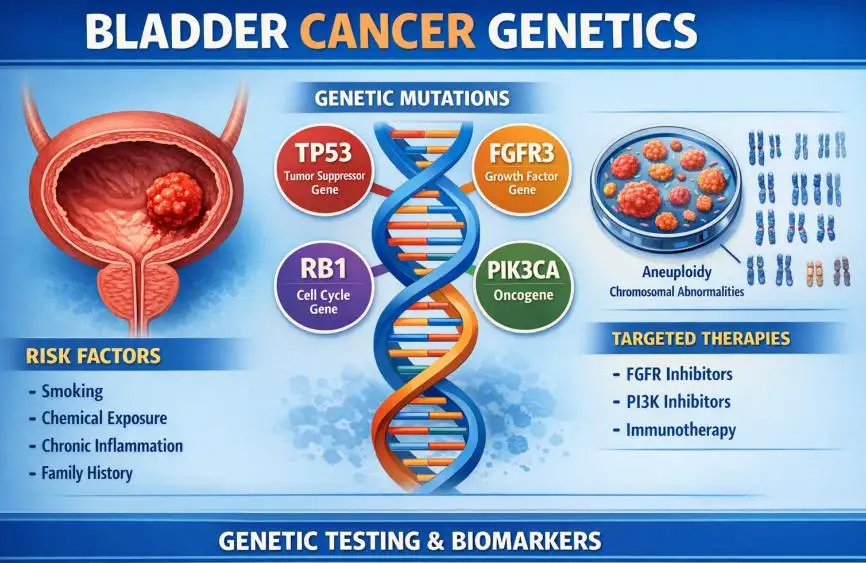
Common gene alterations involved in bladder cancer genetics include:
-
TP53 – Controls cell cycle and DNA repair.
-
FGFR3 – Frequently mutated in non-muscle invasive bladder cancer.
-
RB1 – Associated with aggressive disease.
-
HRAS – Promotes abnormal cell growth.
Environmental Risk Factors
-
Smoking (strongest risk factor)
-
Occupational exposure to chemicals
-
Chronic bladder inflammation
-
Radiation exposure
-
Arsenic in drinking water
While most genetic mutations are acquired, individuals with hereditary cancer syndromes may carry higher inherited risk.
Symptoms and Early Warning Signs
Early bladder cancer may not cause obvious symptoms. However, warning signs can include:
-
Blood in urine (hematuria)
-
Frequent urination
-
Painful urination
-
Pelvic or lower back pain (advanced cases)
Genetic mutations do not directly cause symptoms but influence tumor behavior and aggressiveness. If you notice persistent urinary changes, early medical evaluation is crucial.
Diagnosis
Diagnosis typically involves multiple steps:
1. Urine Tests
Detect abnormal cells or tumor markers.
2. Cystoscopy
A thin tube with a camera examines the bladder interior.
3. Biopsy
Confirms cancer and determines grade.
4. Genetic and Molecular Testing
This is where bladder cancer genetics becomes essential. Molecular profiling may identify actionable mutations such as FGFR3 alterations, helping determine eligibility for targeted therapies.
Next-generation sequencing (NGS) panels are increasingly used to evaluate tumor DNA.
Treatment Options
Treatment depends on stage, grade, and genetic profile.
Standard Treatments
-
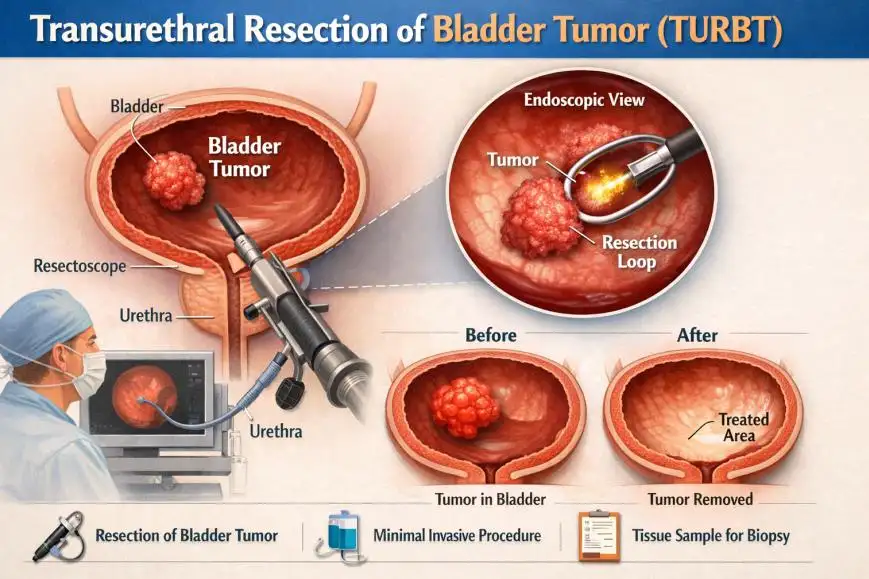
Surgery (TURBT or cystectomy)
-
Intravesical therapy
-
Chemotherapy
-
Radiation therapy
-
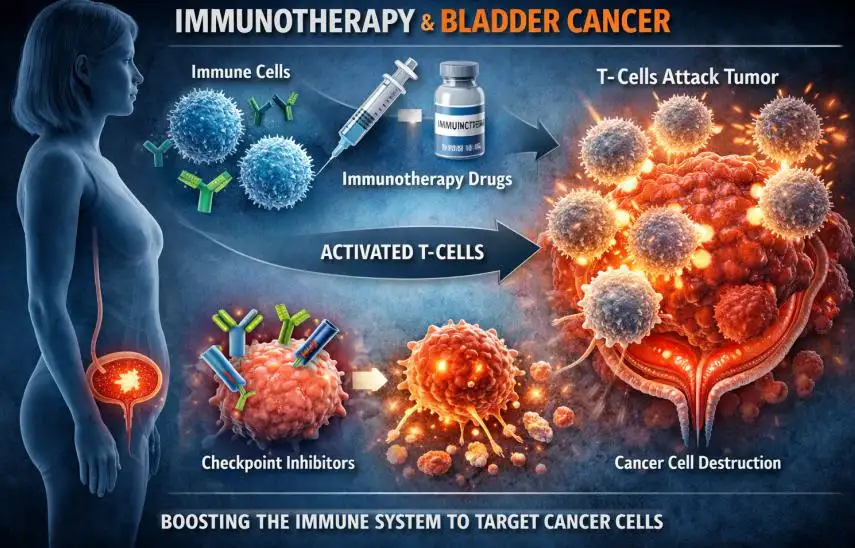
Immunotherapy
Targeted Therapy Based on Genetics
Genomic discoveries have led to precision treatments such as:
-
FGFR inhibitors for FGFR3-mutated tumors
-
Immune checkpoint inhibitors targeting PD-1/PD-L1 pathways
-
Antibody-drug conjugates
Genetic testing allows doctors to match treatments to the tumor’s molecular characteristics, improving effectiveness and minimizing unnecessary side effects.
Prevention and Lifestyle Recommendations
While you cannot control inherited genetics, you can reduce risk by:
-
Quitting smoking
-
Avoiding occupational chemical exposure
-
Staying hydrated
-
Maintaining a healthy diet rich in fruits and vegetables
-
Undergoing regular checkups if high-risk
Early detection combined with awareness of bladder cancer genetics improves outcomes significantly.
Prognosis and Survival Rates
Prognosis varies widely depending on stage and molecular subtype.
| Stage | 5-Year Survival Rate (Approximate) |
|---|---|
| Non-muscle invasive | 70–90% |
| Muscle-invasive | 40–60% |
| Metastatic | 5–15% |
Certain genetic mutations, such as TP53 alterations, may indicate more aggressive disease. However, targeted therapies are improving survival for patients with specific molecular profiles.
Latest Research and Innovations
Research in bladder cancer genetics is rapidly evolving. Key advancements include:
-
Liquid biopsy techniques to detect circulating tumor DNA
-
Personalized cancer vaccines
-
CRISPR-based gene editing research
-
Artificial intelligence for genomic analysis
Clinical trials are exploring combination therapies tailored to molecular subtypes, paving the way for highly individualized cancer care.
Coping and Support for Patients
A bladder cancer diagnosis can be emotionally overwhelming. You are not alone.
Consider:
-
Joining cancer support groups
-
Consulting genetic counselors
-
Seeking psychological therapy
-
Communicating openly with your healthcare team
Understanding your tumor’s genetic profile can provide clarity and reassurance when making treatment decisions.
Conclusion
Bladder cancer genetics has revolutionized our understanding of how this disease develops and progresses. By identifying specific gene mutations and molecular pathways, healthcare providers can now offer more precise and effective treatments.
If you are at risk or recently diagnosed, discussing genetic testing with your doctor may open doors to targeted therapies and clinical trials. The future of bladder cancer care lies in personalized medicine, and genetics is leading the way.
FAQ
1. What is bladder cancer genetics?
Bladder cancer genetics refers to the study of inherited and acquired gene mutations that contribute to bladder cancer development and progression.
2. Is bladder cancer hereditary?
Most cases are not inherited. However, some individuals may carry genetic predispositions that increase risk.
3. Should all bladder cancer patients undergo genetic testing?
Not always, but molecular profiling is increasingly recommended for advanced or recurrent cases to guide targeted therapy decisions.
4. What genes are commonly involved in bladder cancer?
Commonly affected genes include TP53, FGFR3, RB1, and HRAS.
5. Can genetic testing improve survival rates?
Yes. Identifying actionable mutations allows for personalized treatments that may improve response rates and outcomes.