Transurethral Resection of Bladder Tumor: Procedure, Recovery, Risks, and Prognosis Explained
Bladder cancer is one of the most common urological cancers worldwide, and early detection plays a crucial role in successful treatment. If you or a loved one has recently been diagnosed, your doctor may have recommended transurethral resection of bladder tumor (TURBT) as the first step in management. Understanding this procedure can help you feel more confident and prepared.
Transurethral resection of bladder tumor is both a diagnostic and therapeutic procedure. It allows specialists to remove abnormal tissue from the bladder while preserving the organ itself. In this comprehensive guide, we’ll walk you through everything you need to know, from causes and symptoms to treatment options, recovery expectations, and long-term outcomes.
Overview of Transurethral Resection of Bladder Tumor
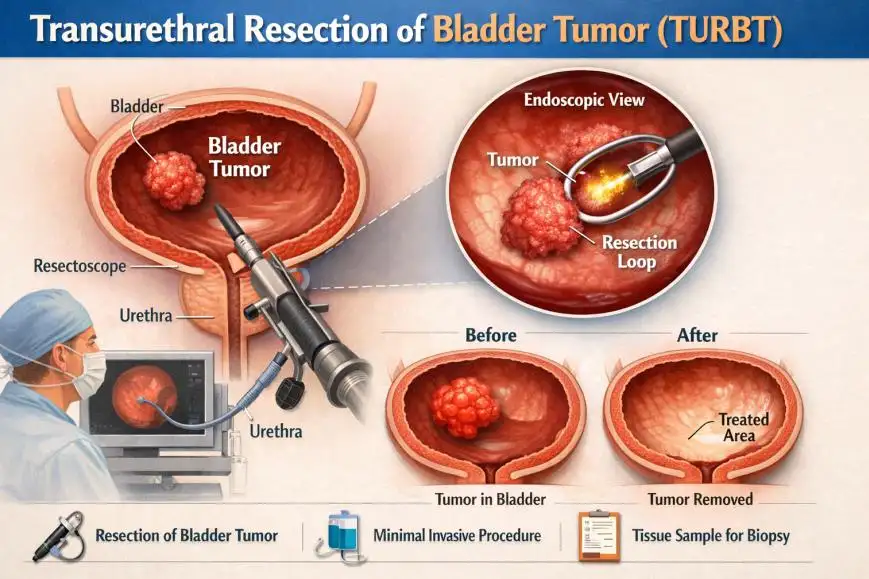
Transurethral resection of bladder tumor (TURBT) is a minimally invasive surgical procedure used to remove bladder tumors through the urethra. Unlike open surgery, no external incision is required. A thin instrument called a resectoscope is inserted through the urethra into the bladder to visualize and remove abnormal growths.
TURBT is commonly performed in cases of non-muscle-invasive bladder cancer (NMIBC). It serves two essential purposes:
-
Removing visible tumors.
-
Providing tissue samples for pathological analysis.
The procedure is typically carried out under general or spinal anesthesia and may require a short hospital stay.
Types of Bladder Tumors Treated with TURBT
Transurethral resection of bladder tumor is primarily used to treat early-stage bladder cancer. The type of tumor influences both the treatment plan and prognosis.
| Tumor Type | Description | TURBT Role |
|---|---|---|
| Non-Muscle-Invasive Bladder Cancer (NMIBC) | Tumor confined to inner bladder lining | Primary treatment |
| Carcinoma in Situ (CIS) | Flat, high-grade tumor on bladder lining | Diagnosis and initial management |
| Recurrent Bladder Tumors | Tumors that reappear after previous treatment | Tumor removal and reassessment |
For muscle-invasive bladder cancer (MIBC), TURBT is often used for diagnosis and staging rather than definitive treatment.
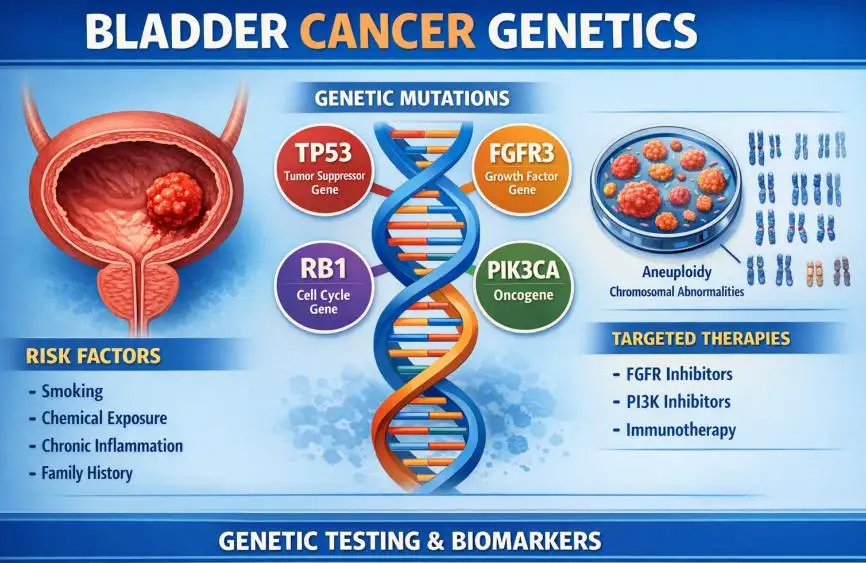
Causes and Risk Factors
Bladder tumors develop when abnormal cells grow uncontrollably in the bladder lining. While the exact cause may not always be clear, several risk factors increase the likelihood of developing bladder cancer.
| Risk Factor | Explanation |
|---|---|
| Smoking | Primary risk factor; harmful chemicals accumulate in urine |
| Occupational Exposure | Contact with industrial chemicals (dyes, rubber, leather) |
| Chronic Bladder Irritation | Recurrent infections or long-term catheter use |
| Age and Gender | More common in older adults and men |
| Family History | Genetic predisposition may play a role |
If you have one or more of these risk factors, regular medical check-ups can help detect abnormalities early.
Symptoms and Early Warning Signs
Bladder tumors often present with noticeable urinary symptoms. Early detection significantly improves treatment outcomes.
Common symptoms include:
-
Blood in urine (hematuria)
-
Frequent urination
-
Pain or burning during urination
-
Pelvic pain
-
Urgency without infection
If you notice blood in your urine, even without pain, it is essential to seek medical evaluation promptly.
Diagnosis Before Transurethral Resection of Bladder Tumor
Before recommending transurethral resection of bladder tumor, doctors perform several diagnostic tests to confirm the presence and extent of the tumor.
| Diagnostic Test | Purpose |
|---|---|
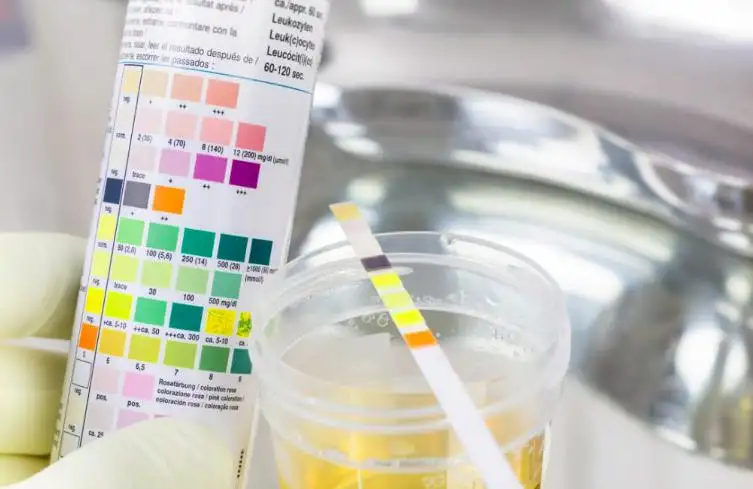
| Urinalysis | Detect blood or abnormal cells |
| Urine Cytology | Identify cancer cells |
| Cystoscopy | Direct visualization of bladder |
| CT Urogram | Evaluate urinary tract |
| MRI | Assess tumor depth and spread |
Cystoscopy often leads directly to scheduling TURBT if a suspicious lesion is identified.
Treatment Options
While transurethral resection of bladder tumor is often the first-line treatment, additional therapies may be required depending on pathology results.
Primary Treatment: TURBT
-
Removes visible tumor tissue
-
Determines tumor grade and stage
-
May require repeat procedure if incomplete resection
Intravesical Therapy
Medications are placed directly into the bladder to reduce recurrence risk. The most well-known therapy is Bacillus Calmette-Guérin (BCG).
Radical Cystectomy
For advanced cases, removal of the bladder may be necessary.
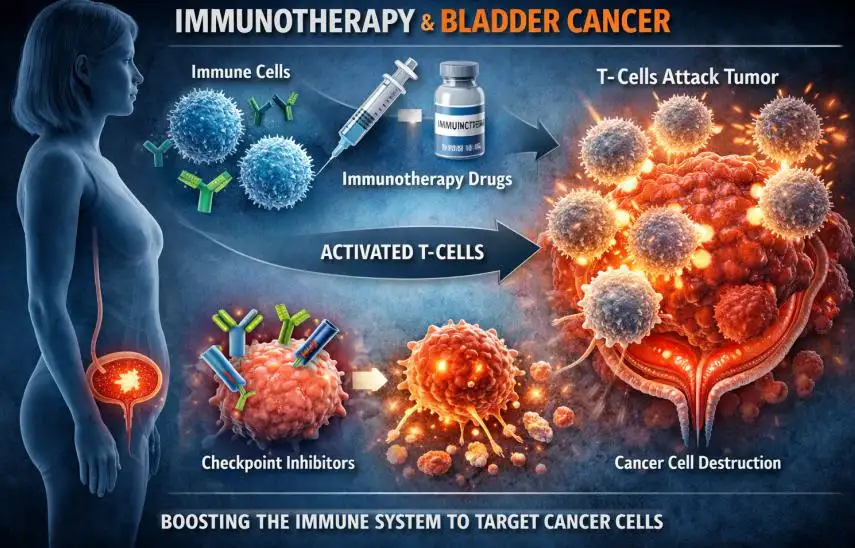
Chemotherapy and Immunotherapy
Systemic treatments may be recommended for muscle-invasive or metastatic disease.
Your treatment plan will depend on tumor grade, stage, and overall health condition.
Prevention and Lifestyle Recommendations
While not all cases are preventable, you can reduce your risk of bladder cancer by adopting healthier habits.
-
Quit smoking
-
Stay well hydrated
-
Avoid exposure to harmful industrial chemicals
-
Maintain a balanced diet rich in fruits and vegetables
-
Schedule regular medical check-ups if high-risk
These steps not only reduce risk but also improve overall urinary health.
Prognosis and Survival Rates
The prognosis after transurethral resection of bladder tumor depends largely on tumor stage and grade.
| Stage | 5-Year Survival Rate (Approx.) |
|---|---|
| Stage 0 (Non-invasive) | 95% or higher |
| Stage I | 85–90% |
| Stage II | 60–70% |
| Stage III | 40–50% |
Non-muscle-invasive tumors treated early have excellent survival outcomes, but recurrence is common. Therefore, regular follow-up cystoscopy is essential.
Latest Research and Innovations
Medical research continues to improve outcomes for bladder cancer patients. Some promising advancements include:
-
Enhanced cystoscopy techniques using blue-light imaging
-
Improved intravesical immunotherapies
-
Targeted molecular therapies
-
Minimally invasive robotic surgical approaches
Clinical trials are ongoing, offering hope for even more effective and personalized treatments in the future.
Coping and Support for Patients
A bladder cancer diagnosis can be emotionally overwhelming. You are not alone, and support is available.
Consider:
-
Joining bladder cancer support groups
-
Speaking with oncology counselors
-
Educating family members about your condition
-
Maintaining open communication with your healthcare team
Emotional well-being plays a crucial role in recovery and long-term health.
Conclusion
Transurethral resection of bladder tumor remains the cornerstone of diagnosis and treatment for early-stage bladder cancer. This minimally invasive procedure allows doctors to remove tumors, determine cancer stage, and guide further treatment decisions.
If you are facing this procedure, understanding what to expect can significantly reduce anxiety. With early detection, appropriate therapy, and regular follow-up, many patients achieve excellent outcomes. Stay informed, ask questions, and actively participate in your healthcare journey.
FAQ About Transurethral Resection of Bladder Tumor
1. How long does transurethral resection of bladder tumor take?
The procedure typically lasts 30 to 90 minutes, depending on tumor size and number.
2. Is TURBT painful?
It is performed under anesthesia, so you will not feel pain during the procedure. Mild discomfort during recovery is common.
3. How long is the recovery period?
Most patients return to normal activities within 1–2 weeks, although heavy lifting should be avoided for several weeks.
4. Can bladder tumors come back after TURBT?
Yes. Recurrence is common, which is why regular cystoscopic monitoring is necessary.
5. Will I need additional treatment after TURBT?
That depends on pathology results. Some patients require intravesical therapy or additional surgery.