Immunotherapy and Bladder Cancer: A Comprehensive Guide to Treatment, Survival, and Latest Advances
Immunotherapy and bladder cancer have become closely connected in modern oncology, offering new hope to patients facing one of the most common urologic cancers worldwide. Bladder cancer affects hundreds of thousands of people each year, and traditional treatments such as surgery, chemotherapy, and radiation have long been the standard of care. However, recent advances in immunotherapy have transformed how doctors approach certain stages of the disease.
If you or a loved one has been diagnosed with bladder cancer, understanding how immunotherapy works, and when it is used, can help you make informed decisions. In this guide, we will explore the types of bladder cancer, risk factors, symptoms, diagnosis, treatment options, survival rates, and the latest innovations in immunotherapy and bladder cancer research.
Overview of Bladder Cancer
Bladder cancer begins in the tissues of the bladder, the organ responsible for storing urine. Most cases originate in the urothelial cells lining the inside of the bladder. This is known as urothelial carcinoma (also called transitional cell carcinoma).
Bladder cancer is generally classified based on how deeply it invades the bladder wall:
| Type | Description | Typical Treatment Approach |
|---|---|---|
| Non-Muscle-Invasive Bladder Cancer (NMIBC) | Cancer limited to the inner lining or connective tissue | TURBT, intravesical therapy, immunotherapy |
| Muscle-Invasive Bladder Cancer (MIBC) | Cancer spreads into bladder muscle | Surgery, chemotherapy, immunotherapy |
| Metastatic Bladder Cancer | Cancer spreads beyond the bladder | Systemic therapy including immunotherapy |
Immunotherapy and bladder cancer treatment intersect most significantly in non-muscle-invasive and advanced stages.
Types of Immunotherapy Used in Bladder Cancer
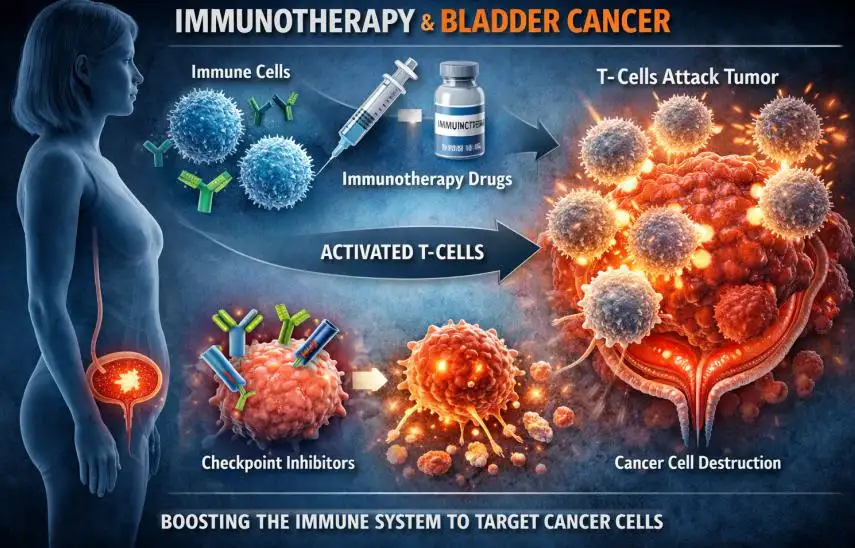
Immunotherapy works by stimulating the body’s immune system to recognize and destroy cancer cells. Several forms are currently used in bladder cancer treatment.
1. Intravesical BCG Therapy
Bacillus Calmette-Guérin (BCG) is one of the oldest and most effective immunotherapies for bladder cancer. It is placed directly into the bladder to stimulate a local immune response. BCG is commonly used for high-risk non-muscle-invasive bladder cancer.
2. Immune Checkpoint Inhibitors
Checkpoint inhibitors block proteins that prevent immune cells from attacking cancer. These drugs are typically used in advanced or metastatic bladder cancer.
Common checkpoint inhibitors include:
| Drug Name | Target | Typical Use |
|---|---|---|
| Pembrolizumab | PD-1 | Advanced or BCG-unresponsive bladder cancer |
| Nivolumab | PD-1 | Adjuvant therapy post-surgery |
| Atezolizumab | PD-L1 | Advanced bladder cancer |
| Avelumab | PD-L1 | Maintenance therapy after chemotherapy |
These medications have significantly improved outcomes in certain patients.
3. Emerging Immunotherapies
Other strategies under investigation include cancer vaccines, CAR T-cell therapy, and combination immunotherapy approaches.
Causes and Risk Factors
Understanding risk factors can help with prevention and early detection. The main causes and risk factors for bladder cancer include:
• Smoking (the leading risk factor)
• Exposure to industrial chemicals
• Chronic bladder inflammation
• Prior chemotherapy or radiation
• Family history of bladder cancer
• Age (most common in people over 55)
• Male gender
Smoking alone accounts for nearly half of all bladder cancer cases. Reducing tobacco exposure significantly lowers risk.
Symptoms and Early Warning Signs
Bladder cancer symptoms can be subtle at first. The most common early warning sign is blood in the urine (hematuria), which may be visible or detected under a microscope.
Other symptoms include:
• Frequent urination
• Pain or burning during urination
• Urgency without infection
• Lower back pain (advanced stages)
• Pelvic pain
If you notice persistent urinary changes, consult a healthcare provider promptly.
Diagnosis
Early diagnosis improves treatment outcomes. Doctors may use the following tests:
| Diagnostic Test | Purpose |
|---|---|
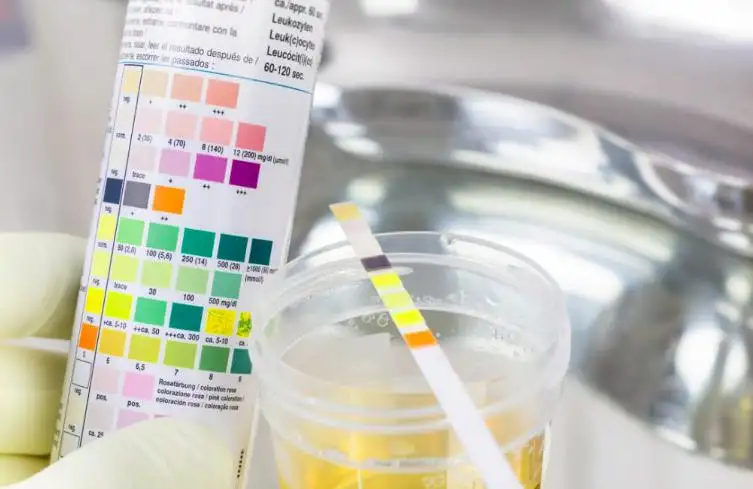
| Urinalysis | Detect blood or abnormal cells |
| Urine Cytology | Identify cancer cells in urine |
| Cystoscopy | Direct visualization of bladder |
| Biopsy | Confirm cancer type and grade |
| CT or MRI Scan | Evaluate spread of disease |
Cystoscopy remains the gold standard for bladder cancer diagnosis.
Treatment Options
Treatment depends on the stage and grade of cancer. Immunotherapy and bladder cancer treatment are increasingly integrated into care plans.
1. Surgery
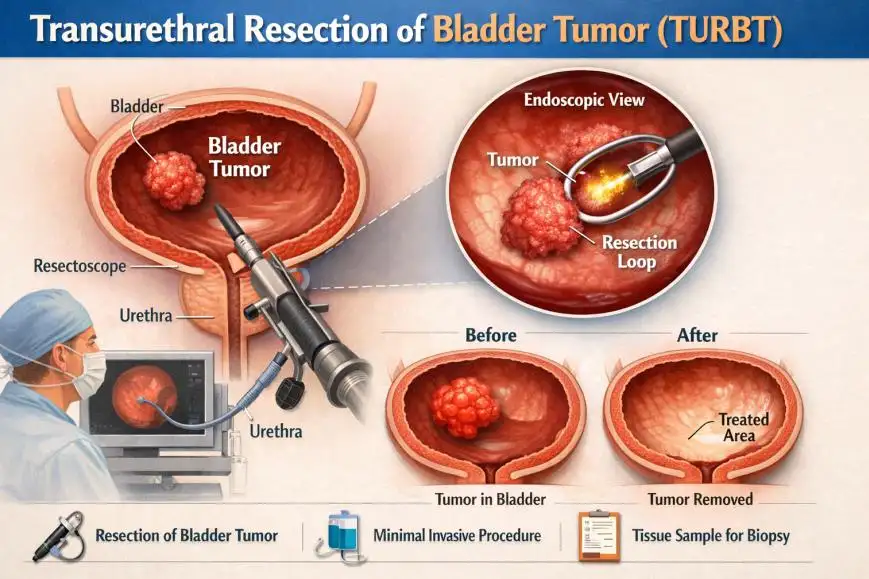
• TURBT (for early-stage cancer)
• Radical cystectomy (for invasive cancer)
2. Chemotherapy
• Intravesical chemotherapy
• Systemic chemotherapy for advanced cases
3. Radiation Therapy
Often combined with chemotherapy in select patients.
4. Immunotherapy
Used in:
• BCG-unresponsive NMIBC
• Post-surgery high-risk cases
• Metastatic disease
• Maintenance therapy after chemotherapy
Immunotherapy can provide durable responses, especially in advanced bladder cancer.
Prevention and Lifestyle Recommendations
While not all cases are preventable, you can reduce your risk by:
• Quitting smoking
• Avoiding occupational chemical exposure
• Staying hydrated
• Eating a balanced diet rich in fruits and vegetables
• Maintaining regular medical checkups
Healthy lifestyle habits also support recovery during immunotherapy and bladder cancer treatment.
Prognosis and Survival Rates
Survival depends heavily on stage at diagnosis.
| Stage | 5-Year Survival Rate (Approximate) |
|---|---|
| Non-Muscle-Invasive | 70–90% |
| Muscle-Invasive | 40–60% |
| Metastatic | 5–15% |
Immunotherapy has improved survival outcomes for some patients with advanced disease, particularly those responding well to checkpoint inhibitors.
Latest Research and Innovations
Ongoing clinical trials are exploring:
• Combination immunotherapy and chemotherapy
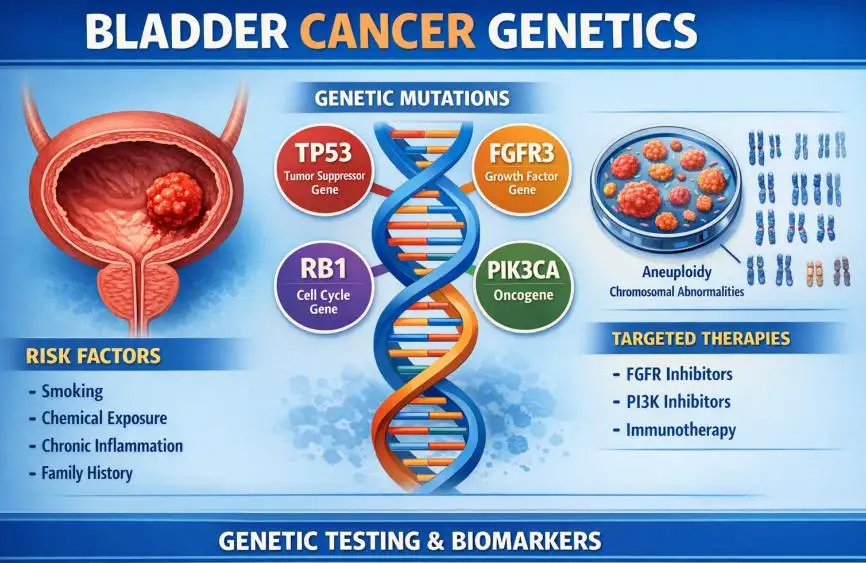
• Biomarkers predicting response to immunotherapy
• Personalized cancer vaccines
• Antibody-drug conjugates
• Novel immune checkpoint targets
Precision medicine is helping doctors determine which patients benefit most from immunotherapy and bladder cancer therapies.
Coping and Support for Patients
A bladder cancer diagnosis can be overwhelming. Emotional and psychological support are just as important as medical treatment.
Consider:
• Joining cancer support groups
• Speaking with an oncology counselor
• Connecting with survivor communities
• Involving family in care discussions
• Exploring palliative care options when needed
Patients receiving immunotherapy may also experience side effects such as fatigue, skin reactions, or immune-related inflammation. Early communication with your healthcare team is crucial.
Conclusion
Immunotherapy and bladder cancer management represent one of the most significant advances in modern oncology. From intravesical BCG to immune checkpoint inhibitors, these treatments have expanded options for patients at multiple stages of disease.
Early detection, personalized treatment planning, and ongoing research continue to improve outcomes. If you are facing bladder cancer, understanding how immunotherapy fits into your treatment plan empowers you to take an active role in your care journey.
FAQ About Immunotherapy and Bladder Cancer
1. What is the success rate of immunotherapy for bladder cancer?
Response rates vary, but checkpoint inhibitors show response rates of about 15–25% in advanced disease, with some patients experiencing long-lasting remission.
2. Is immunotherapy safer than chemotherapy?
Immunotherapy has different side effects compared to chemotherapy. It may be better tolerated by some patients but can cause immune-related reactions.
3. How long does immunotherapy treatment last?
Treatment duration varies. Some patients receive therapy for months to two years depending on response and tolerance.
4. Can immunotherapy cure bladder cancer?
In early stages (such as high-risk NMIBC), BCG immunotherapy can be highly effective. In advanced stages, immunotherapy may not cure but can extend survival and improve quality of life.
5. Who is eligible for immunotherapy?
Eligibility depends on cancer stage, previous treatments, biomarker status, and overall health. An oncologist can determine suitability.