New Treatment for Bladder Cancer: Breakthrough Therapies, Latest Research, and Patient Hope

Bladder cancer is one of the most common urological cancers worldwide, affecting hundreds of thousands of people each year. While traditional approaches such as surgery, chemotherapy, and radiation therapy have improved survival, many patients still face recurrence, treatment resistance, or significant side effects. This reality has driven intense global research into discovering a new treatment for bladder cancer that is more effective, precise, and patient-friendly.
In recent years, major breakthroughs in immunotherapy, targeted therapy, and gene-based treatments have transformed how bladder cancer is managed. These innovations are not only extending survival but also improving quality of life. In this article, we will explore the latest developments, explain how modern treatments work, and help you understand what these advances may mean for patients and caregivers.
Overview of Bladder Cancer
Bladder cancer develops when abnormal cells grow uncontrollably in the tissues of the bladder. The majority of cases originate in the urothelial cells lining the bladder. The disease can range from non, muscle-invasive tumors to aggressive muscle-invasive or metastatic cancer.
Early detection often leads to favorable outcomes, but advanced bladder cancer has historically been difficult to treat. This challenge has accelerated the development of a new treatment for bladder cancer, focusing on personalized and immune-based strategies.
Types of Bladder Cancer
Bladder cancer is classified based on the type of cells involved and how deeply the tumor invades the bladder wall.
| Type of Bladder Cancer | Description |
|---|---|
| Urothelial carcinoma | Most common type, begins in the bladder lining |
| Squamous cell carcinoma | Often linked to chronic irritation or infection |
| Adenocarcinoma | Rare type arising from glandular cells |
| Small cell carcinoma | Aggressive and uncommon |
Understanding the cancer type is essential when selecting the most effective new bladder cancer treatments.
Causes and Risk Factors
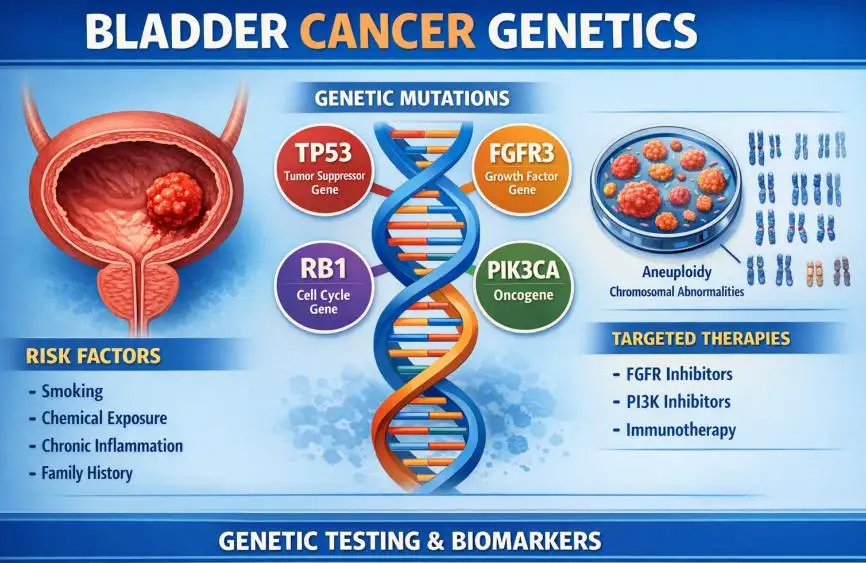
Several factors increase the risk of developing bladder cancer, many of which are preventable.
Common causes and risk factors include:
-
Cigarette smoking
-
Exposure to industrial chemicals (aromatic amines)
-
Chronic bladder inflammation
-
Previous cancer treatments, such as radiation
-
Age, gender, and family history
Identifying these risks early can support prevention and timely screening.
Symptoms and Early Warning Signs
Bladder cancer symptoms can be subtle in early stages, making awareness crucial.
Early warning signs include:
-
Blood in the urine (hematuria)
-
Painful or frequent urination
-
Lower back or pelvic pain
-
Difficulty urinating
Persistent symptoms should always prompt medical evaluation, as early-stage disease responds best to modern and new treatment approaches.
Diagnosis
Accurate diagnosis is the foundation of effective bladder cancer care.
Diagnostic methods commonly include:
-
Urinalysis and urine cytology
-
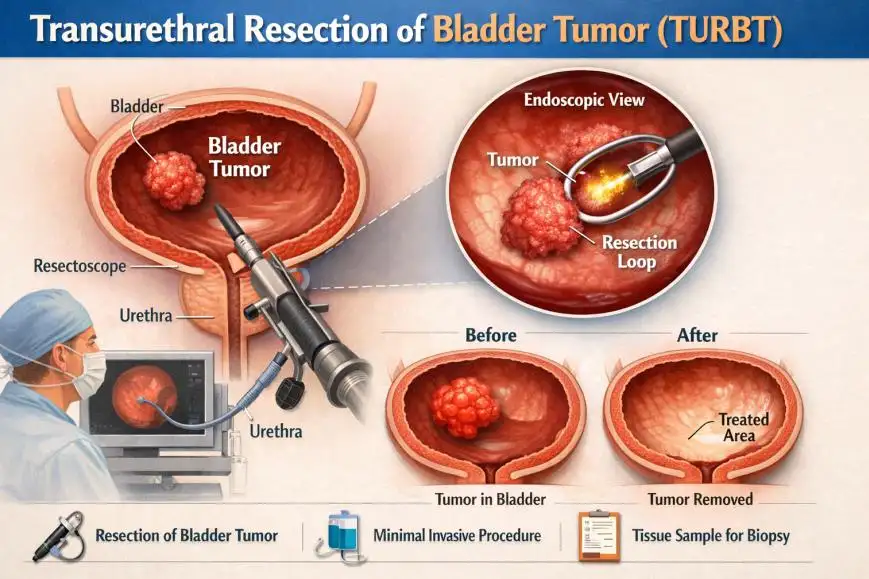
Cystoscopy
-
Imaging tests such as CT scans or MRI
-
Biopsy and pathological examination
Advanced molecular testing is increasingly used to guide personalized new treatment for bladder cancer strategies.
Treatment Options
Treatment depends on cancer stage, type, and patient health. Alongside traditional therapies, innovative approaches are reshaping bladder cancer care.
| Treatment Type | Description |
|---|---|
| Surgery | Removal of tumors or bladder (cystectomy) |
| Chemotherapy | Systemic or intravesical drug therapy |
| Radiation therapy | Targeted high-energy radiation |
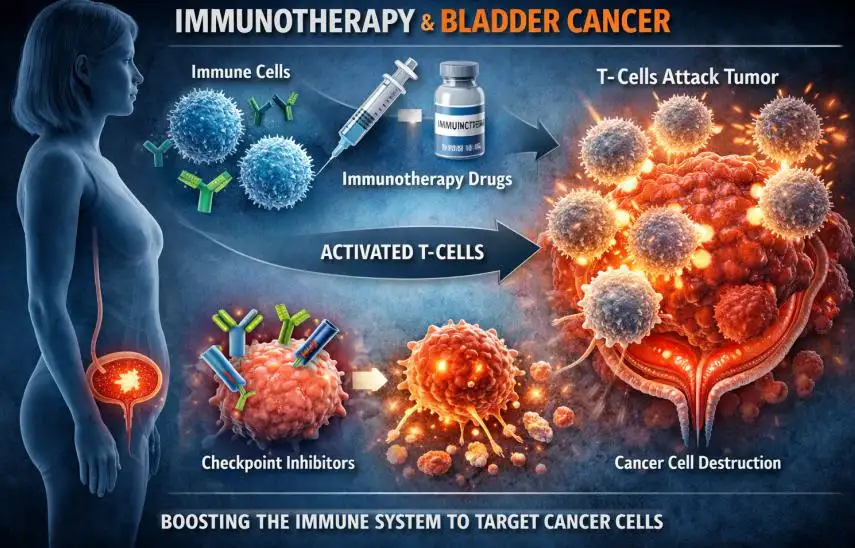
| Immunotherapy | Activates the immune system to attack cancer |
| Targeted therapy | Focuses on specific genetic or molecular targets |
Immunotherapy and targeted agents now represent some of the most promising new bladder cancer treatments, particularly for advanced or recurrent disease.
Prevention and Lifestyle Recommendations
Although not all cases are preventable, lifestyle choices play a major role in reducing risk.
Key prevention strategies include:
-
Quitting smoking
-
Limiting chemical exposure
-
Staying well-hydrated
-
Eating a balanced diet rich in antioxidants
-
Regular medical check-ups for high-risk individuals
Healthy habits can also support better outcomes during treatment and recovery.
Prognosis and Survival Rates
Survival rates vary significantly depending on stage and response to treatment.
| Stage | Approximate 5-Year Survival Rate |
|---|---|
| Non–muscle-invasive | 80–90% |
| Muscle-invasive | 50–60% |
| Metastatic | 10–20% |
The introduction of new treatment for bladder cancer, especially immunotherapy, is steadily improving outcomes for advanced-stage patients.
Latest Research and Innovations
Research into bladder cancer treatment is advancing rapidly.
Promising innovations include:
-
Immune checkpoint inhibitors (PD-1/PD-L1 inhibitors)
-
Antibody-drug conjugates
-
Personalized cancer vaccines
-
Gene and biomarker-driven therapies
-
Combination treatment strategies
These breakthroughs are redefining what is possible in bladder cancer care and offering new hope to patients who previously had limited options.
Coping and Support for Patients
A bladder cancer diagnosis affects both physical and emotional well-being. Comprehensive care goes beyond medical treatment.
Support options include:
-
Counseling and mental health services
-
Patient support groups
-
Nutritional guidance
-
Palliative and supportive care services
Open communication with healthcare providers and loved ones helps patients navigate treatment with confidence and resilience.
Conclusion
The emergence of a new treatment for bladder cancer marks a turning point in cancer care. From immunotherapy to precision medicine, today’s innovations are extending survival, reducing side effects, and improving quality of life. Staying informed and proactive empowers patients and families to make the best possible treatment decisions. As research continues, the future of bladder cancer treatment looks more hopeful than ever.
FAQ
1. What is the newest treatment for bladder cancer?
The newest treatments include immunotherapy drugs, antibody-drug conjugates, and targeted therapies designed to attack cancer cells more precisely.
2. Is immunotherapy effective for bladder cancer?
Yes, immunotherapy has shown significant benefits, especially for advanced or recurrent bladder cancer.
3. Can bladder cancer be cured with new treatments?
Early-stage bladder cancer is often curable, and new treatments are improving outcomes even in advanced stages.
4. Are new bladder cancer treatments safer than chemotherapy?
Many newer therapies have fewer systemic side effects, though risks vary depending on the specific treatment.
5. Who is eligible for new treatment options?
Eligibility depends on cancer stage, genetic markers, prior treatments, and overall health, as determined by an oncologist.