Causes of Bladder Cancer Symptoms: A Complete Guide to Risks, Signs, and Prevention

Bladder cancer is one of the most common cancers affecting the urinary system, and understanding its early signs can make a critical difference in outcomes. Many people first become concerned when they notice unusual urinary symptoms, yet they may not realize how closely these signs are linked to underlying causes and risk factors. Learning about the causes of bladder cancer symptoms helps individuals recognize warning signals earlier and seek timely medical advice.
This article provides a comprehensive, easy-to-understand overview of bladder cancer, focusing on what causes its symptoms, how the disease develops, and what can be done to reduce risk. By staying informed, you empower yourself to take proactive steps toward better urinary health and overall well-being.
Overview
Bladder cancer begins in the cells lining the inside of the bladder, an organ responsible for storing urine. Symptoms often arise when cancerous cells irritate the bladder wall or interfere with normal urinary function. While not all urinary problems indicate cancer, persistent or unexplained symptoms should never be ignored.
Understanding the causes of bladder cancer symptoms involves looking at both the biological changes in the bladder and the external factors that increase cancer risk. Early detection significantly improves treatment success and survival rates.
Types
Bladder cancer is classified into several types based on the kind of cells affected:
| Type of Bladder Cancer | Description |
|---|---|
| Urothelial (Transitional Cell) Carcinoma | The most common type, starting in the bladder lining |
| Squamous Cell Carcinoma | Often linked to chronic bladder irritation |
| Adenocarcinoma | Rare, develops from mucus-secreting glands |
| Small Cell Carcinoma | Aggressive and uncommon form |
Each type may produce similar symptoms, but their causes and progression can differ.
Causes and Risk Factors
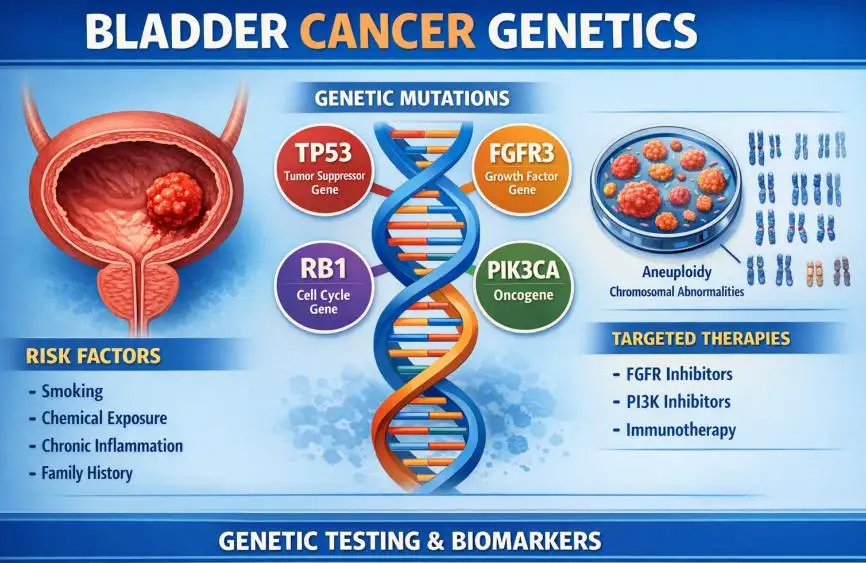
The causes of bladder cancer symptoms are closely tied to factors that damage bladder cells over time. Key causes and risk factors include:
-
Smoking, which exposes the bladder to harmful chemicals
-
Long-term exposure to industrial chemicals such as dyes, rubber, or leather processing agents
-
Chronic bladder infections or inflammation
-
Previous radiation therapy to the pelvic area
-
Certain chemotherapy drugs
-
Family history of bladder cancer
-
Increasing age and male gender
These factors can lead to cellular mutations that trigger cancer development and associated symptoms.
Symptoms and Early Warning Signs
Symptoms often appear as the bladder lining becomes irritated or damaged. Common early signs include:
-
Blood in the urine (hematuria)
-
Pain or burning during urination
-
Frequent urination or urgency
-
Difficulty emptying the bladder
-
Lower back or pelvic pain in advanced stages
Recognizing these symptoms early is essential, as they may be the first indication of underlying bladder cancer.
Diagnosis
Diagnosis begins with a detailed medical history and physical examination. Doctors may recommend:
-
Urinalysis to detect blood or abnormal cells
-
Cystoscopy to visually examine the bladder
-
Imaging tests such as CT scans or ultrasounds
-
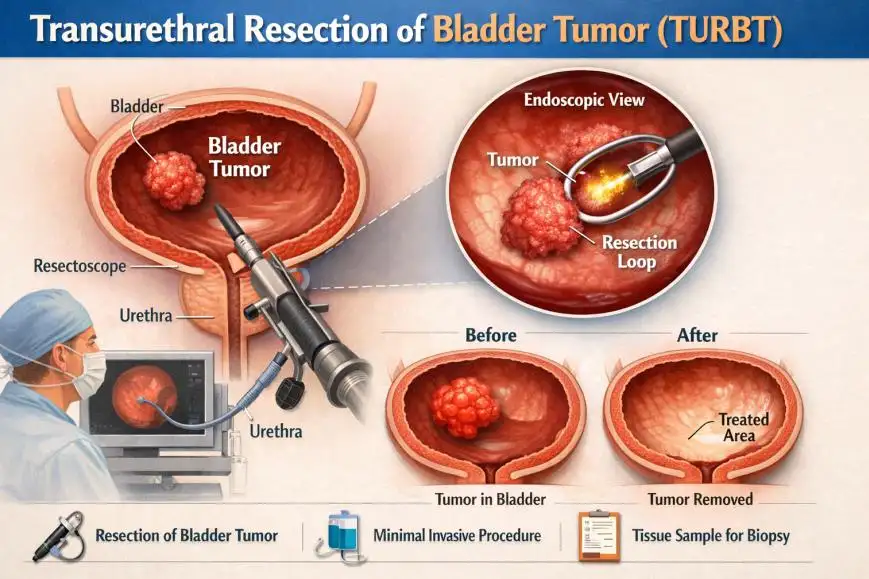
Biopsy to confirm cancer presence and type
Accurate diagnosis helps determine the cause of bladder cancer symptoms and guides treatment planning.
Treatment Options
Treatment depends on cancer type, stage, and overall health. Common options include:
| Treatment Option | Purpose |
|---|---|
| Surgery | Remove tumors or part/all of the bladder |
| Chemotherapy | Destroy cancer cells or prevent recurrence |
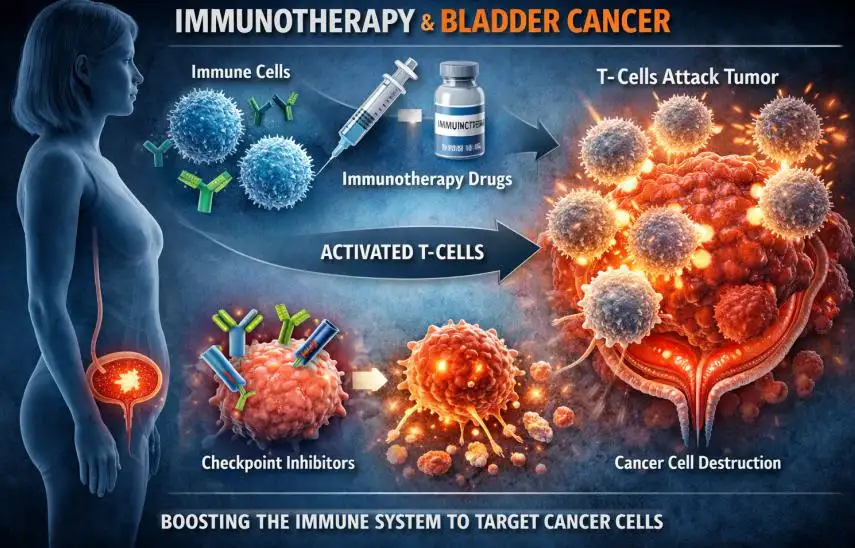
| Immunotherapy | Boost the immune system to fight cancer |
| Radiation Therapy | Target and kill cancer cells |
Early-stage cancers often respond well to localized treatments, while advanced cases may require combined approaches.
Prevention and Lifestyle Recommendations
While not all cases are preventable, risk can be reduced by:
-
Quitting smoking
-
Limiting exposure to industrial chemicals
-
Drinking plenty of water
-
Eating a diet rich in fruits and vegetables
-
Managing chronic bladder conditions promptly
Healthy lifestyle choices play a significant role in lowering the causes of bladder cancer symptoms.
Prognosis and Survival Rates
Prognosis varies based on cancer stage and type. Early detection generally leads to favorable outcomes. Localized bladder cancer has a high survival rate, while advanced stages require more intensive treatment and have lower survival rates.
Regular follow-ups are crucial, as bladder cancer has a tendency to recur even after successful treatment.
Latest Research and Innovations
Advances in medical research are improving bladder cancer care. Current innovations include:
-
Targeted therapies aimed at specific genetic mutations
-
Advanced immunotherapy drugs
-
Improved imaging for earlier detection
-
Personalized treatment plans based on tumor genetics
These developments offer new hope for patients and continue to improve long-term outcomes.
Coping and Support for Patients
A bladder cancer diagnosis can be emotionally challenging. Support options include:
-
Counseling or therapy
-
Patient support groups
-
Nutritional guidance
-
Rehabilitation services after surgery
Emotional and psychological support is just as important as medical treatment in the recovery journey.
Conclusion
Understanding the causes of bladder cancer symptoms empowers individuals to recognize early warning signs and seek medical care without delay. With early detection, appropriate treatment, and supportive care, many people with bladder cancer can achieve positive outcomes and maintain a good quality of life.
Staying informed, making healthy lifestyle choices, and attending regular medical check-ups are key steps in protecting bladder health.
FAQ
1. What is the most common symptom of bladder cancer?
Blood in the urine is the most frequent early symptom, even if it appears intermittently.
2. Are bladder cancer symptoms always painful?
No, early symptoms such as blood in the urine are often painless.
3. Can bladder cancer be cured?
When detected early, bladder cancer is often highly treatable and may be cured.
4. Who is at highest risk for bladder cancer?
Smokers, older adults, and individuals exposed to certain chemicals face higher risk.
5. When should I see a doctor?
If you notice persistent urinary changes, blood in urine, or unexplained discomfort, consult a healthcare professional promptly.