How Fast Does Bladder Cancer Grow: Understanding Progression, Symptoms, and Treatment

Bladder cancer is a significant health concern affecting thousands of people worldwide each year. One of the most common questions patients and caregivers ask is, "how fast does bladder cancer grow?" Understanding the growth rate of bladder cancer is crucial for timely diagnosis, effective treatment, and better prognosis. While the growth rate can vary depending on the type and stage of the cancer, early detection remains key to improving outcomes.
The speed at which bladder cancer progresses depends on several factors, including tumor grade, stage, and individual patient characteristics. High-grade tumors tend to grow more rapidly, while low-grade tumors may develop slowly over years. By learning about the risk factors, early warning signs, and treatment options, patients and caregivers can make informed decisions and take proactive steps toward management.
Overview
Bladder cancer occurs when abnormal cells in the bladder lining multiply uncontrollably, forming tumors. It is more common in older adults, particularly those over 55, and affects men more frequently than women. The primary concern for patients and healthcare providers alike is understanding the aggressiveness of the disease. Bladder cancer can be categorized as non-muscle-invasive or muscle-invasive, which significantly impacts growth rate and treatment strategies.
Early detection through routine screening, symptom awareness, and diagnostic imaging can slow disease progression and improve survival rates. Patients often want clear answers about how fast bladder cancer grows, but growth varies widely based on tumor biology and overall health.
Types of Chemotherapy for Stage 4 Colon Cancer
| Type | Description | Growth Rate |
|---|---|---|
| Transitional Cell Carcinoma (TCC) | Most common type, originates in the urothelial cells lining the bladder. | Can be slow-growing (low-grade) or aggressive (high-grade) |
| Squamous Cell Carcinoma | Linked to chronic irritation or infection. | Typically slower to develop but can be aggressive once established |
| Adenocarcinoma | Rare, develops from glandular cells in the bladder. | Often aggressive at diagnosis |
| Small Cell Carcinoma | Very rare and aggressive. | Rapid growth, spreads quickly to other organs |
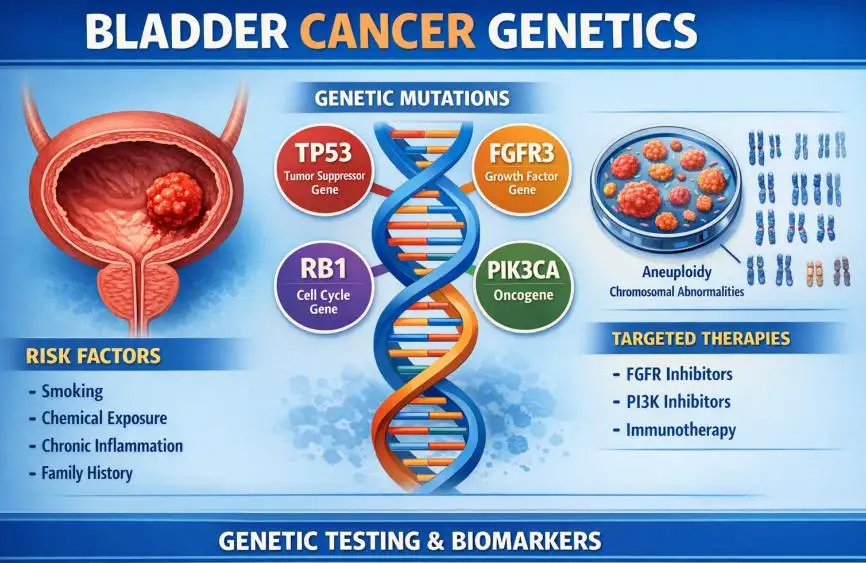
Causes and Risk Factors
While the exact cause of bladder cancer is not always clear, several risk factors increase susceptibility:
-
Smoking: The leading risk factor, contributing to nearly half of all cases.
-
Chemical Exposure: Occupational exposure to dyes, rubber, leather, and chemicals increases risk.
-
Chronic Bladder Irritation: Long-term catheter use or bladder infections.
-
Age and Gender: Men over 55 are more likely to develop bladder cancer.
-
Family History and Genetics: Certain inherited conditions can increase risk.
Understanding these risk factors helps in early detection and prevention. Lifestyle modifications, such as quitting smoking, can significantly reduce the risk.
Symptoms and Early Warning Signs
Early detection is essential, as bladder cancer can grow silently in the initial stages. Common symptoms include:
-
Blood in urine (hematuria)
-
Frequent urination or urgency
-
Painful urination
-
Lower back or pelvic pain
-
Recurrent urinary infections
Patients experiencing these symptoms should consult a healthcare provider promptly. Notably, symptom severity does not always correlate with tumor growth rate, so even mild signs warrant attention.
Diagnosis
Accurate diagnosis is essential to determine how fast bladder cancer is growing and the appropriate treatment. Diagnostic methods include:
-
Urinalysis and Urine Cytology: Detect abnormal cells in urine.
-
Cystoscopy: Direct visualization of the bladder lining.
-
Imaging: CT scan, MRI, or ultrasound to assess tumor size and spread.
-
Biopsy: Confirms tumor type and grade.
Early and precise diagnosis helps in choosing suitable treatments and predicting tumor growth patterns.
Treatment Options
Treatment depends on tumor type, stage, and growth rate:
-
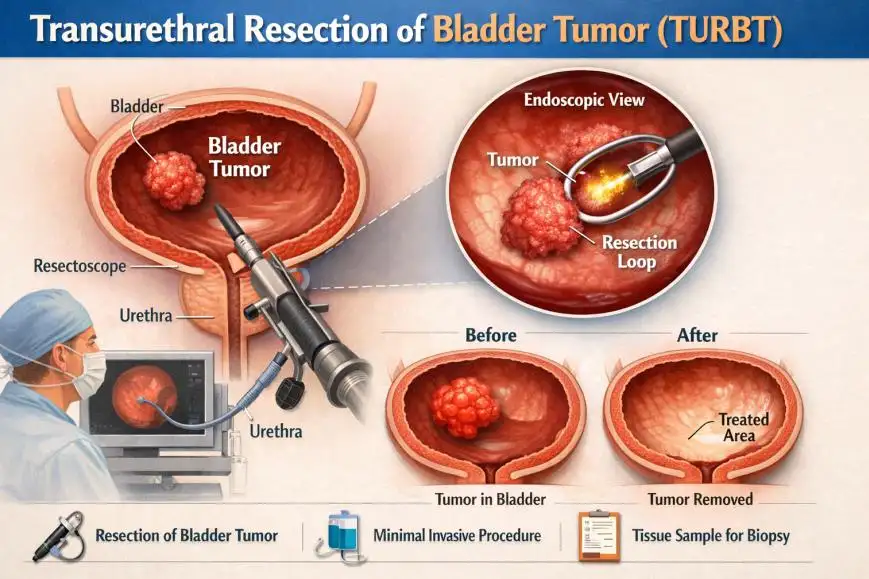
Transurethral Resection of Bladder Tumor (TURBT): Removes non-muscle-invasive tumors.
-
Intravesical Therapy: Chemotherapy or immunotherapy delivered directly into the bladder to prevent recurrence.
-
Radical Cystectomy: Complete removal of the bladder for advanced or muscle-invasive cancers.
-
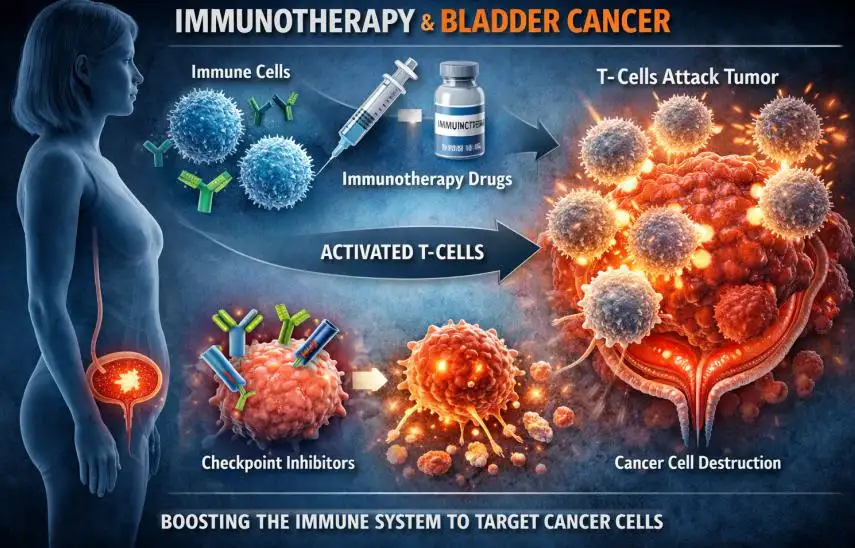
Systemic Chemotherapy or Immunotherapy: Used for metastatic disease or high-grade aggressive tumors.
-
Targeted Therapy: Emerging option for specific genetic mutations.
Combination therapy may be recommended for faster-growing tumors to prevent spread.
Prevention and Lifestyle Recommendations
While not all bladder cancers are preventable, lifestyle changes can reduce risk:
-
Avoid smoking and exposure to carcinogenic chemicals.
-
Maintain a healthy diet rich in fruits, vegetables, and antioxidants.
-
Stay hydrated to flush toxins from the bladder.
-
Regular medical check-ups, especially for high-risk individuals.
-
Treat chronic urinary tract infections promptly.
Prognosis and Survival Rates
Bladder cancer prognosis depends on tumor type, grade, stage, and how fast it grows.
| Stage | 5-Year Survival Rate | Notes |
|---|---|---|
| Non-Muscle-Invasive | 70–90% | Often detected early, slow-growing |
| Muscle-Invasive | 40–60% | Requires aggressive treatment |
| Metastatic | 5–20% | Rapidly progressing, limited options |
Early detection and treatment significantly improve outcomes, highlighting the importance of monitoring growth rates.
Latest Research and Innovations
Recent studies are focusing on:
-
Immunotherapy advancements: Boosting the body’s immune system to target tumors.
-
Liquid biopsies: Detecting bladder cancer cells in urine for early detection.
-
Genetic profiling: Tailoring treatment based on tumor DNA.
-
Minimally invasive surgical techniques: Reducing recovery time and complications.
These innovations offer hope for managing even fast-growing bladder cancers.
Coping and Support for Patients
A bladder cancer diagnosis can be overwhelming. Patients are encouraged to:
-
Seek counseling or join support groups.
-
Maintain open communication with healthcare providers.
-
Keep a journal of symptoms, treatments, and questions for medical appointments.
-
Involve family and friends for emotional support.
Psychosocial support improves quality of life and treatment adherence.
Conclusion
Understanding how fast bladder cancer grows is crucial for early detection, treatment planning, and improving survival rates. Growth rates vary based on tumor type, grade, and individual factors, making regular screening and symptom awareness essential. With advancements in research, treatment options are expanding, offering hope to patients at all stages. Proactive lifestyle choices, timely medical consultation, and emotional support can make a meaningful difference in patient outcomes.
FAQ
1. How fast can bladder cancer progress?
Growth varies; low-grade tumors may take years to grow, while high-grade tumors can progress rapidly within months.
2. Can bladder cancer be detected early?
Yes, through urine tests, cystoscopy, imaging, and monitoring for symptoms like blood in urine.
3. Is bladder cancer life-threatening?
It can be, especially if muscle-invasive or metastatic, but early detection significantly improves survival.
4. Can lifestyle changes prevent bladder cancer?
Yes, quitting smoking, avoiding chemical exposure, staying hydrated, and managing infections reduce risk.
5. Are there new treatments for aggressive bladder cancer?
Yes, including immunotherapy, targeted therapy, and minimally invasive surgical options tailored to tumor genetics.