Can Bladder Cancer Be Detected with a Urine Test? A Comprehensive Guide

Bladder cancer is a serious health condition affecting thousands of people worldwide. Early detection is critical for improving treatment outcomes and increasing survival rates. Many patients and healthcare providers often ask, can bladder cancer be detected with a urine test? Understanding the role of urine tests in identifying bladder cancer is essential for anyone concerned about urinary health.
Urine tests offer a non-invasive method to screen for potential bladder abnormalities. While they are not definitive on their own, they play a crucial role in the early detection process, especially when combined with other diagnostic tools. In this article, we will explore how urine tests work, their accuracy, and their place in bladder cancer diagnosis and management.
Overview
Bladder cancer originates in the lining of the bladder, often affecting the urothelial cells. It can vary from low-grade tumors with a slower progression to high-grade tumors that can spread rapidly. Detecting bladder cancer early significantly improves treatment options and patient prognosis.
Urine tests for bladder cancer aim to identify abnormal cells, proteins, or genetic markers that may indicate malignancy. These tests, along with imaging studies and cystoscopy, form a comprehensive approach to diagnosing bladder cancer.
Types of Bladder Cancer
Bladder cancer can be categorized into several types, each affecting treatment and prognosis:
| Type | Description | Frequency |
|---|---|---|
| Urothelial Carcinoma | Originates in the urothelial lining of the bladder | Most common (over 90%) |
| Squamous Cell Carcinoma | Linked to chronic irritation or infections | Rare |
| Adenocarcinoma | Arises from glandular cells in the bladder | Very rare |
| Small Cell Carcinoma | Aggressive, often spreads quickly | Rare |
Causes and Risk Factors
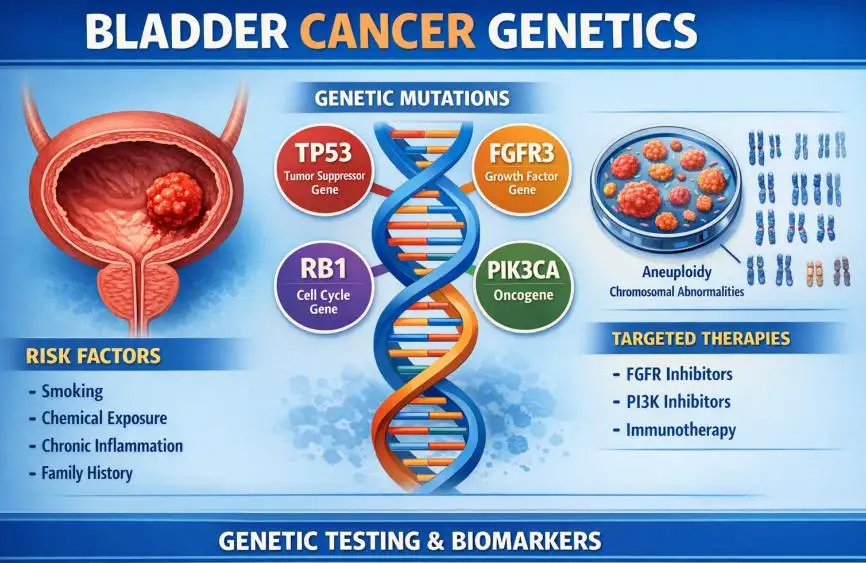
Bladder cancer develops due to genetic mutations and exposure to certain environmental factors. Key risk factors include:
-
Smoking: The leading cause of bladder cancer, contributing to toxic buildup in the bladder lining.
-
Chemical exposure: Working with dyes, rubber, or certain industrial chemicals.
-
Chronic bladder inflammation: Long-term infections or irritations.
-
Age and gender: More common in individuals over 55 and in men.
-
Family history: Genetic predispositions may increase risk.
Symptoms and Early Warning Signs
Recognizing early symptoms can prompt timely testing and diagnosis:
-
Blood in urine (hematuria)
-
Frequent urination or urgency
-
Painful urination
-
Lower back or pelvic pain
-
Unexplained fatigue
Notably, these symptoms can also be caused by non-cancerous conditions, which is why urine tests and further evaluation are essential.
Diagnosis
Diagnosis involves a combination of methods, with urine tests playing a key role:
-
Urine cytology: Examines urine for abnormal or cancerous cells.
-
Urinary biomarker tests: Detect proteins or genetic markers associated with bladder cancer.
-
Cystoscopy: A scope examines the bladder lining directly.
-
Imaging tests: CT scans or ultrasounds help identify tumors or metastasis.
While urine tests are useful for screening, they cannot replace cystoscopy, which remains the gold standard for bladder cancer diagnosis.
Treatment Options
Treatment varies based on the cancer stage:
| Stage | Treatment Options |
|---|---|
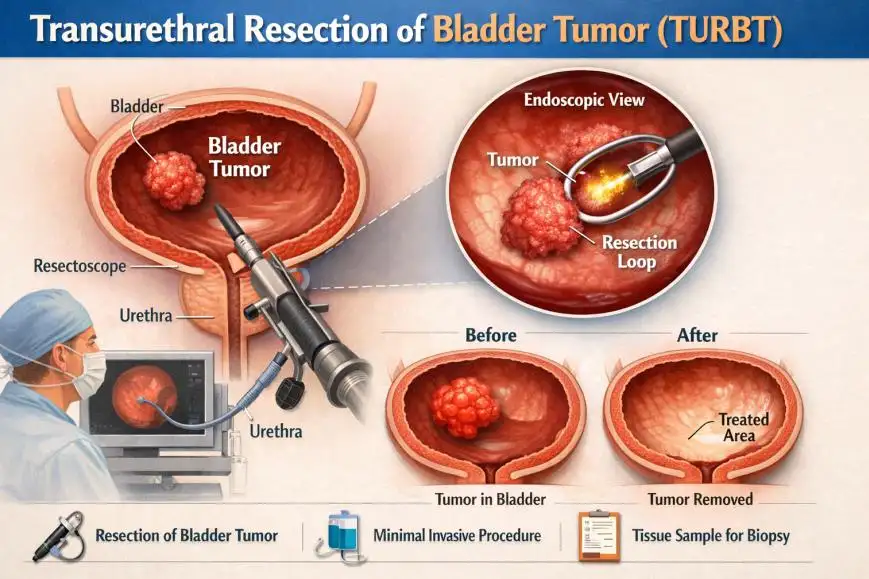
| Non-muscle invasive | Transurethral resection, intravesical therapy, immunotherapy |
| Muscle-invasive | Radical cystectomy, chemotherapy, radiation therapy |
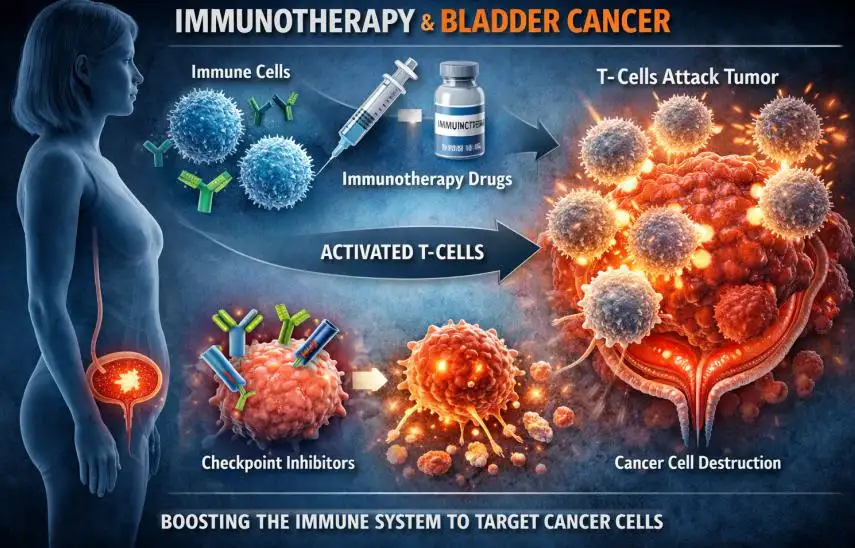
| Advanced/metastatic | Combination of chemotherapy, immunotherapy, targeted therapy |
Early detection through urine tests can help catch cancer before it becomes invasive, improving treatment success.
Prevention and Lifestyle Recommendations
While some risk factors are unavoidable, certain lifestyle measures can reduce bladder cancer risk:
-
Avoid smoking and secondhand smoke
-
Limit exposure to industrial chemicals
-
Stay hydrated to flush toxins from the bladder
-
Maintain a healthy diet rich in fruits and vegetables
-
Regular medical check-ups for high-risk individuals
Prognosis and Survival Rates
Bladder cancer prognosis depends heavily on the stage at diagnosis:
| Stage | 5-Year Survival Rate |
|---|---|
| Non-invasive | 88-98% |
| Muscle-invasive | 50-60% |
| Advanced/metastatic | 15-30% |
Early detection, including through urine tests, dramatically improves survival rates.
Latest Research and Innovations
Recent advances aim to improve urine-based detection of bladder cancer:
-
Urinary DNA and RNA markers for earlier and more accurate detection
-
Liquid biopsy technology to detect tumor DNA in urine
-
Artificial intelligence algorithms for analyzing urine cytology images
-
Immunotherapy biomarkers to guide personalized treatment
These innovations show promise in reducing the need for invasive procedures while increasing diagnostic accuracy.
Coping and Support for Patients
A bladder cancer diagnosis can be overwhelming. Support strategies include:
-
Counseling and mental health support
-
Patient support groups and communities
-
Nutritional guidance to support treatment
-
Physical therapy and exercise programs to maintain strength
Emotional well-being is an important component of successful cancer management.
Conclusion
So, can bladder cancer be detected with a urine test? The answer is yes, but with limitations. Urine tests are valuable tools for early detection, screening high-risk individuals, and monitoring recurrence, but they are not definitive. Combining urine tests with cystoscopy, imaging, and clinical evaluation ensures the most accurate diagnosis and the best chance for successful treatment. Staying informed, practicing preventive measures, and seeking timely medical advice remain critical for bladder health.
FAQ
1. Can a urine test definitively diagnose bladder cancer?
No. While urine tests can detect abnormal cells or markers, cystoscopy is required for a definitive diagnosis.
2. How accurate are urine tests for bladder cancer?
Urine tests have variable sensitivity. Urine cytology is more accurate for high-grade cancers but less reliable for low-grade tumors.
3. Are urine tests painful?
No. Urine tests are non-invasive and painless, making them an easy option for screening.
4. How often should high-risk individuals get tested?
People at high risk may need annual urine tests or more frequent monitoring based on physician recommendations.
5. Can bladder cancer be prevented?
While not all cases are preventable, avoiding smoking, staying hydrated, and limiting exposure to harmful chemicals can reduce risk.