Blue Light Therapy Skin Cancer: Benefits, Risks, Effectiveness, and Latest Medical Insights

Blue light therapy skin cancer treatment has gained increasing attention as a non-invasive and targeted approach for managing certain types of superficial skin cancers and precancerous lesions. With advancements in dermatological technology, this therapy offers patients a convenient option that minimizes damage to surrounding healthy tissue while promoting faster recovery.
For individuals seeking effective alternatives to surgery or traditional radiation, understanding how blue light therapy works, who it is suitable for, and what outcomes to expect is essential. In this article, we will explore blue light therapy skin cancer treatment in depth, covering its mechanisms, benefits, risks, and the latest research to help you make informed decisions about your skin health.
Overview of Blue Light Therapy Skin Cancer Treatment
Blue light therapy is a form of photodynamic therapy (PDT) that uses a specific wavelength of blue light to activate a photosensitizing agent applied to the skin. Once activated, this agent destroys abnormal or cancerous cells while sparing healthy tissue.
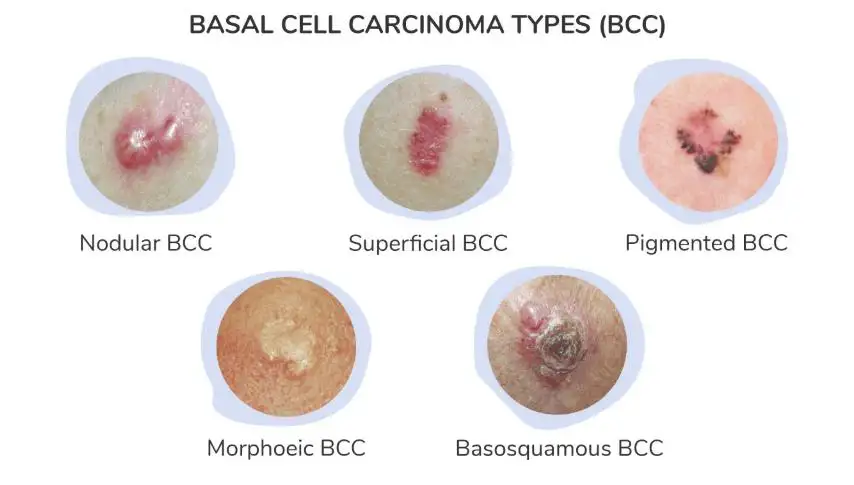
This treatment is commonly used in dermatology clinics to manage actinic keratosis and certain non-melanoma skin cancers, such as superficial basal cell carcinoma. Blue light therapy skin cancer treatment is especially valued for its precision, minimal scarring, and outpatient convenience.
How Blue Light Therapy Works
| Step | Process Description |
|---|---|
| Application of photosensitizer | A light-sensitive medication is applied to the affected skin area |
| Incubation period | The agent is absorbed by abnormal cells |
| Blue light exposure | Blue light activates the medication |
| Cell destruction | Cancerous and precancerous cells are selectively destroyed |
| Healing phase | Skin regenerates naturally over time |
Types of Skin Cancer Treated with Blue Light Therapy
Blue light therapy skin cancer treatment is not suitable for all cancer types. It is most effective for early-stage or superficial conditions.
Common Conditions Treated
-
Actinic keratosis (precancerous lesions)
-
Superficial basal cell carcinoma
-
Bowen’s disease (squamous cell carcinoma in situ)
-
Certain sun-damaged skin areas with high cancer risk
Conditions Not Typically Treated
-
Advanced melanoma
-
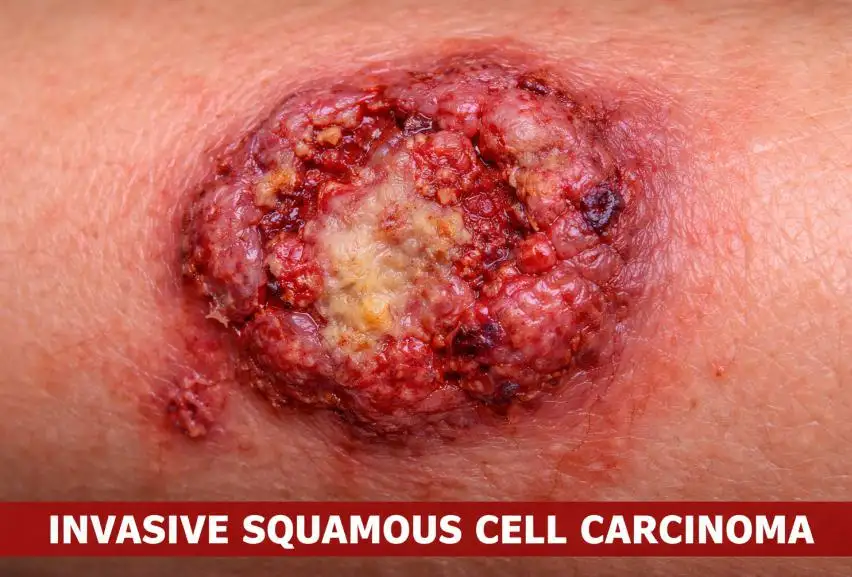
Deep or invasive squamous cell carcinoma
-
Metastatic skin cancers
Causes and Risk Factors
Understanding the causes and risk factors can help individuals take preventive action and identify early warning signs.
Primary Causes
-
Prolonged ultraviolet (UV) radiation exposure
-
Tanning bed usage
-
Environmental pollution and oxidative stress
-
Genetic predisposition
High-Risk Groups
| Risk Factor | Impact on Skin Cancer Development |
|---|---|
| Fair skin type | Higher susceptibility to UV damage |
| Family history | Increased genetic risk |
| Weakened immune system | Reduced cancer-fighting ability |
| Occupational sun exposure | Higher cumulative UV exposure |
Symptoms and Early Warning Signs
Early detection plays a critical role in successful treatment outcomes. Recognizing the warning signs can help patients seek timely medical attention.
Common Symptoms
-
Rough, scaly patches that do not heal
-
Persistent red or pink lesions
-
Shiny or pearly bumps
-
Slow-healing sores
-
Changes in skin texture or color
If any skin abnormality persists for more than a few weeks, it is recommended to consult a dermatologist promptly.
Diagnosis
Accurate diagnosis ensures that blue light therapy skin cancer treatment is applied appropriately.
Diagnostic Methods
-
Visual skin examination
-
Dermatoscopy
-
Skin biopsy
-
Imaging for deeper lesions
Diagnostic Process Overview
| Step | Purpose |
|---|---|
| Initial consultation | Assess visible lesions |
| Biopsy | Confirm cancer type |
| Staging evaluation | Determine treatment eligibility |
| Treatment planning | Select the best therapy approach |
Treatment Options
Blue light therapy is one of several available treatment options for skin cancer. The choice depends on cancer type, size, depth, and patient health.
Blue Light Therapy (Photodynamic Therapy)
Benefits include minimal scarring, outpatient procedure, and shorter recovery time. It is ideal for superficial lesions and early-stage cancers.
Other Treatment Alternatives
-
Surgical excision
-
Mohs micrographic surgery
-
Cryotherapy
-
Topical chemotherapy
-
Radiation therapy
Comparison of Treatment Options
| Treatment Method | Invasiveness | Recovery Time | Scarring Risk |
|---|---|---|---|
| Blue light therapy | Low | Short | Minimal |
| Surgical excision | Moderate | Medium | Moderate |
| Radiation therapy | Low | Long | Low |
| Cryotherapy | Low | Short | Low |
Prevention and Lifestyle Recommendations
Preventing skin cancer is just as important as treating it. Healthy lifestyle habits can significantly reduce risk.
Preventive Measures
-
Use broad-spectrum sunscreen daily
-
Wear protective clothing and hats
-
Avoid peak sun hours
-
Schedule regular skin checks
-
Avoid tanning beds
Skin-Friendly Lifestyle Tips
-
Maintain a balanced diet rich in antioxidants
-
Stay hydrated
-
Quit smoking
-
Manage stress
-
Practice proper skincare routines
Prognosis and Survival Rates
The prognosis for patients receiving blue light therapy skin cancer treatment is generally favorable when lesions are detected early.
Factors Affecting Prognosis
-
Cancer type and stage
-
Patient age and immune status
-
Treatment adherence
-
Overall health condition
General Outlook
| Condition | Five-Year Survival Rate |
|---|---|
| Actinic keratosis | Nearly 100% (with treatment) |
| Basal cell carcinoma | Over 95% |
| Squamous cell carcinoma (early stage) | 90–95% |
Latest Research and Innovations
Medical research continues to improve the effectiveness of blue light therapy skin cancer treatment.
Emerging Developments
-
Enhanced photosensitizing agents
-
Combination therapies with immunotherapy
-
Portable home-based light therapy devices
-
AI-assisted lesion detection
Clinical Trial Focus Areas
| Research Area | Goal |
|---|---|
| Targeted light delivery | Improve precision |
| Reduced treatment sessions | Increase patient convenience |
| Better pain management | Improve comfort |
| Long-term outcomes | Reduce recurrence rates |
Coping and Support for Patients
A skin cancer diagnosis can be emotionally challenging. Support systems play a vital role in recovery.
Emotional and Psychological Support
-
Counseling services
-
Patient support groups
-
Educational workshops
-
Online communities
Practical Support Tips
-
Keep a treatment journal
-
Follow skincare instructions carefully
-
Communicate openly with healthcare providers
-
Seek family and peer support
Conclusion
Blue light therapy skin cancer treatment represents a promising, non-invasive solution for managing early-stage and superficial skin cancers. With minimal downtime, reduced scarring, and growing scientific support, it has become a preferred option for many patients and dermatologists.
By understanding the benefits, risks, and preventive strategies associated with skin cancer, you can take proactive steps to protect your skin and improve long-term health outcomes. Always consult a qualified healthcare professional to determine the most suitable treatment plan for your individual condition.
FAQ
1. What is blue light therapy skin cancer treatment?
It is a form of photodynamic therapy that uses blue light to activate a photosensitizing agent, selectively destroying abnormal skin cells.
2. Is blue light therapy painful?
Most patients experience mild discomfort, tingling, or warmth during treatment, which typically subsides quickly.
3. How long does recovery take?
Recovery usually takes a few days to two weeks, depending on the treated area and skin sensitivity.
4. Can blue light therapy cure skin cancer?
It can effectively treat certain early-stage and superficial skin cancers, but it may not be suitable for advanced or invasive cases.
5. How many sessions are needed?
The number of sessions varies by condition and severity, but many patients achieve results with one to three treatments.
6. Is blue light therapy safe?
When performed by qualified professionals, blue light therapy is generally safe and well-tolerated, with minimal side effects.