How to Cure Skin Cancer Naturally: Complete Guide to Safe, Effective, and Evidence-Based Approaches

Skin cancer is one of the most common cancers worldwide, affecting millions of people every year. As awareness grows, many patients and families search online for how to cure skin cancer naturally in hopes of finding safer, less invasive options. While conventional treatments remain the gold standard, natural and complementary approaches can play an important supportive role in improving overall health, strengthening immunity, and enhancing recovery outcomes.
Understanding what “natural” truly means in cancer care is essential. It does not imply replacing medical treatment, but rather integrating lifestyle changes, nutrition, and supportive therapies to help the body heal more effectively. In this guide, you will learn about skin cancer types, early symptoms, diagnosis, treatment strategies, and evidence-based natural methods that can complement professional medical care.
Overview
Skin cancer develops when abnormal skin cells grow uncontrollably due to DNA damage, most often caused by ultraviolet (UV) radiation from sunlight or tanning beds. Early detection dramatically increases survival rates, making awareness and prevention critical.
Many people searching for how to cure skin cancer naturally are interested in holistic approaches such as dietary changes, herbal remedies, and immune support. While no natural therapy alone can fully replace surgery or medical treatments, combining conventional care with healthy lifestyle practices can improve outcomes and quality of life.
Types of Skin Cancer
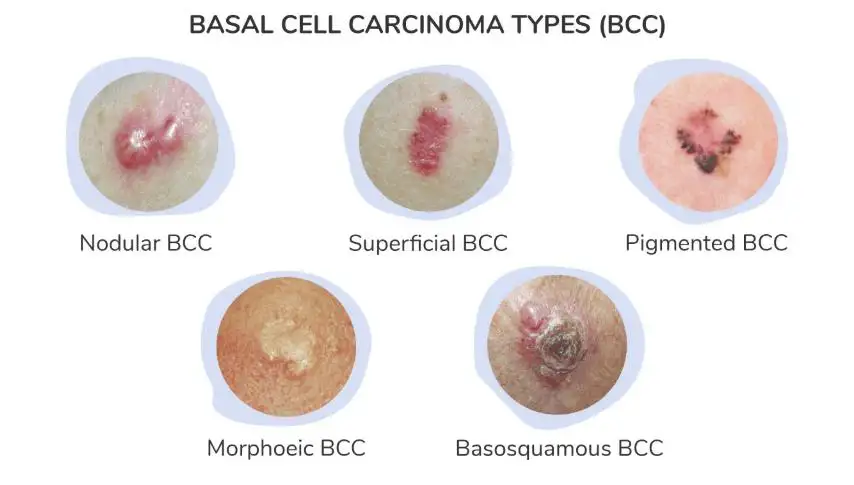
Different types of skin cancer vary in severity, growth rate, and treatment approach.
| Type of Skin Cancer | Characteristics | Risk Level |
|---|---|---|
| Basal Cell Carcinoma (BCC) | Slow-growing, rarely spreads | Low |
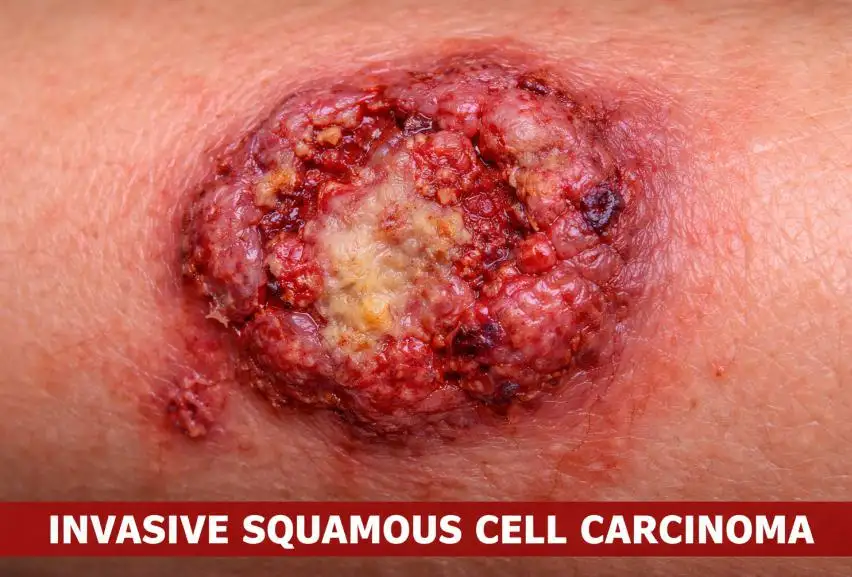
| Squamous Cell Carcinoma (SCC) | Can spread if untreated | Moderate |
| Melanoma | Aggressive and fast-spreading | High |
| Merkel Cell Carcinoma | Rare and highly aggressive | Very High |
Melanoma is the most dangerous form, requiring immediate medical attention and specialized treatment.
Causes and Risk Factors
Several factors increase the risk of developing skin cancer:
-
Excessive sun exposure without protection
-
Use of tanning beds
-
Fair skin and light hair
-
Family history of skin cancer
-
Weakened immune system
-
Exposure to harmful chemicals
-
History of severe sunburns
Reducing these risks is an essential part of prevention and natural support strategies.
Symptoms and Early Warning Signs
Recognizing early symptoms can save lives. Watch for:
-
New or changing moles
-
Irregular borders or uneven coloring
-
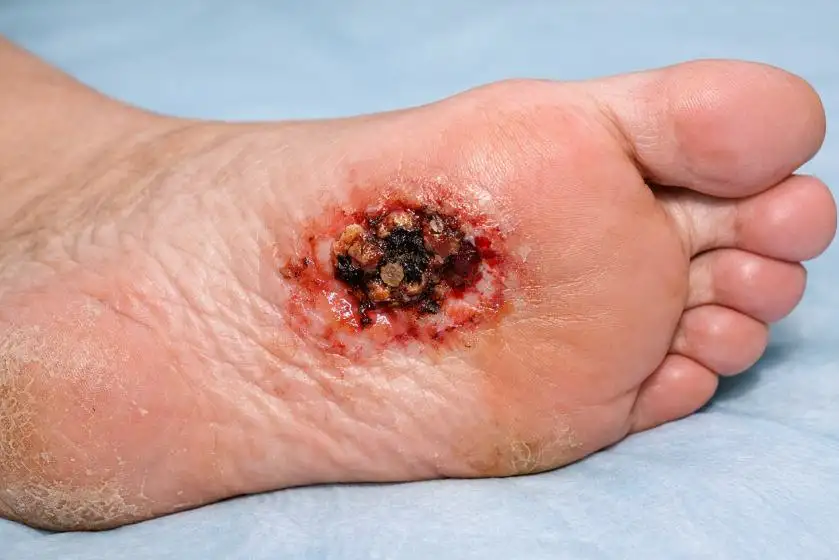
Sores that do not heal
-
Red or scaly patches
-
Itching, bleeding, or pain in skin lesions
The ABCDE rule for melanoma detection includes Asymmetry, Border irregularity, Color variation, Diameter larger than 6mm, and Evolving shape or size.
Diagnosis
Doctors use several methods to confirm skin cancer:
-
Visual skin examination
-
Dermatoscopy
-
Skin biopsy
-
Imaging scans (for advanced cases)
Early diagnosis allows for less invasive treatment and better long-term outcomes.
Treatment Options
Conventional Medical Treatments
Standard treatments depend on the cancer type and stage:
-
Surgical excision
-
Mohs surgery
-
Radiation therapy
-
Chemotherapy
-
Immunotherapy
-
Targeted therapy
These treatments are clinically proven to remove or control cancer cells.
Natural and Complementary Approaches
When people search for how to cure skin cancer naturally, they often mean supportive therapies that enhance healing and immune function. These include:
| Natural Approach | Potential Benefits |
|---|---|
| Anti-inflammatory diet | Reduces oxidative stress |
| Antioxidant-rich foods | Supports cell repair |
| Herbal supplements (under medical supervision) | Immune support |
| Stress management | Improves overall wellness |
| Adequate sleep | Strengthens immune system |
Important note: Natural methods should be used alongside medical treatment, not as a replacement.
Prevention and Lifestyle Recommendations
Prevention is the most powerful natural strategy against skin cancer.
Sun Protection
-
Use broad-spectrum sunscreen (SPF 30+)
-
Wear protective clothing and hats
-
Avoid peak sun hours (10 AM to 4 PM)
Nutrition for Skin Health
Focus on foods that support cellular repair:
-
Leafy greens
-
Berries
-
Fatty fish rich in omega-3
-
Nuts and seeds
-
Green tea
Healthy Lifestyle Habits
-
Quit smoking
-
Maintain a healthy weight
-
Exercise regularly
-
Stay hydrated
These habits strengthen your immune system and reduce inflammation.
Prognosis and Survival Rates
Survival rates depend on cancer type and stage at diagnosis.
| Skin Cancer Type | 5-Year Survival Rate |
|---|---|
| Basal Cell Carcinoma | Over 99% |
| Squamous Cell Carcinoma | Around 95% |
| Early-Stage Melanoma | Over 98% |
| Advanced Melanoma | 30–60% |
Early detection combined with proper treatment significantly improves prognosis.
Latest Research and Innovations
Modern research is transforming skin cancer treatment. Some promising advancements include:
-
Personalized immunotherapy
-
AI-powered skin cancer detection
-
Targeted drug therapies
-
Photodynamic therapy
-
Vaccine-based cancer treatments
Scientists are also studying plant-based compounds and natural antioxidants to understand their supportive role in cancer prevention and recovery.
Coping and Support for Patients
A skin cancer diagnosis can be emotionally overwhelming. Support systems play a critical role in recovery.
Emotional Support
-
Join support groups
-
Talk to mental health professionals
-
Share experiences with family and friends
Practical Support
-
Follow treatment schedules
-
Keep regular follow-up appointments
-
Maintain healthy daily routines
Building resilience helps patients stay positive and motivated throughout treatment.
Conclusion
Learning how to cure skin cancer naturally often begins with understanding the balance between medical treatment and supportive lifestyle changes. While natural methods alone cannot cure cancer, they can significantly enhance healing, improve immune function, and support overall well-being when combined with professional care.
The best approach is an integrated strategy that includes early diagnosis, evidence-based medical treatments, healthy nutrition, stress management, and preventive habits. By taking proactive steps today, you can protect your skin health and improve long-term outcomes.
FAQ
1. Can skin cancer be cured naturally without medical treatment?
No. Skin cancer requires medical diagnosis and treatment. Natural approaches should only be used as complementary support.
2. What is the safest natural way to support skin cancer treatment?
Eating a balanced diet, protecting skin from sun exposure, managing stress, and maintaining a healthy lifestyle are safe supportive strategies.
3. Are herbal remedies effective for skin cancer?
Some herbs may support immunity, but they should only be used under medical supervision to avoid interactions with treatments.
4. How can I prevent skin cancer naturally?
Use sun protection, eat antioxidant-rich foods, avoid tanning beds, and schedule regular skin checks.
5. Is early-stage skin cancer curable?
Yes. When detected early, most skin cancers have very high cure and survival rates.