How Does Skin Cancer Spread? Causes, Stages, Symptoms, and Prevention

Skin cancer is one of the most common cancers worldwide, yet many people still ask an essential question: how does skin cancer spread? Understanding the mechanisms behind cancer spread can help patients recognize early warning signs, seek timely treatment, and improve survival outcomes. When detected early, skin cancer is often highly treatable, but delayed diagnosis may allow cancer cells to invade deeper tissues and even reach distant organs.
In this comprehensive guide, we will explore how skin cancer spreads, the different types of skin cancer, key risk factors, symptoms, diagnostic methods, treatment options, prevention strategies, and the latest medical innovations. Whether you are concerned about your own skin health or supporting someone with a diagnosis, this article provides practical, evidence-based insights to empower you.
Overview: How Does Skin Cancer Spread?
To understand how does skin cancer spread, it’s important to know that cancer spreads through a process called metastasis. This occurs when abnormal skin cells grow uncontrollably, break away from the original tumor, and travel to other parts of the body through the lymphatic system or bloodstream.
The spread usually happens in stages:
| Stage | Description |
|---|---|
| Local Growth | Cancer cells remain in the outer skin layers |
| Local Invasion | Cancer penetrates deeper layers of the skin |
| Regional Spread | Cancer reaches nearby lymph nodes |
| Distant Metastasis | Cancer spreads to organs such as lungs, liver, or brain |
The speed and likelihood of spread depend on the type of skin cancer, tumor thickness, immune response, and how early the disease is detected.
Types of Skin Cancer
Different types of skin cancer behave differently when it comes to spreading.
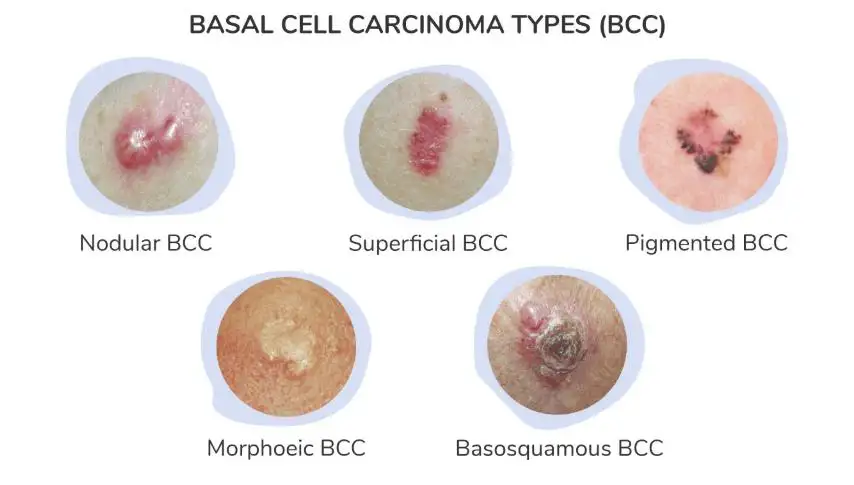
1. Basal Cell Carcinoma (BCC)
-
Most common type
-
Grows slowly
-
Rarely spreads to distant organs
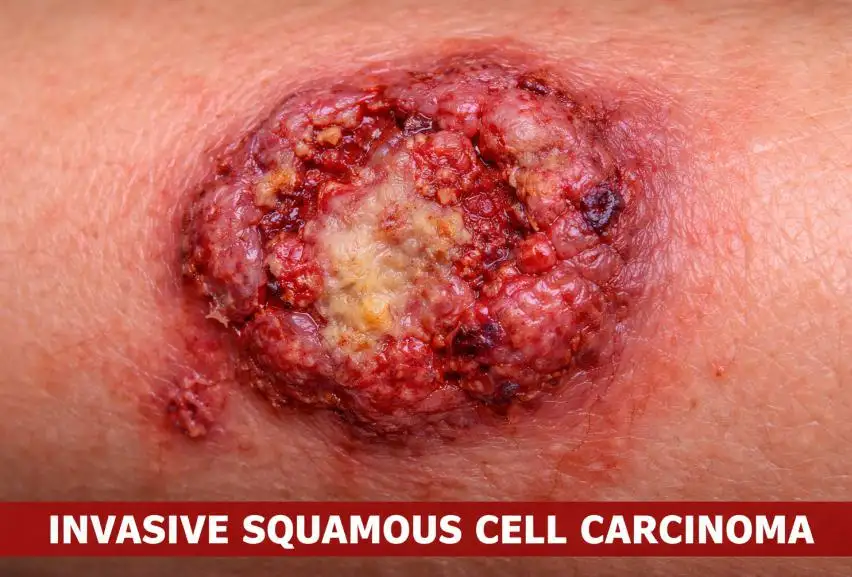
2. Squamous Cell Carcinoma (SCC)
-
More aggressive than BCC
-
Can spread to lymph nodes if untreated
-
Often linked to long-term sun exposure
3. Melanoma
-
Most dangerous form
-
High risk of metastasis
-
Responsible for the majority of skin cancer-related deaths
| Type | Risk of Spread | Growth Speed |
|---|---|---|
| Basal Cell Carcinoma | Low | Slow |
| Squamous Cell Carcinoma | Moderate | Moderate |
| Melanoma | High | Fast |
Understanding the type of cancer is crucial in predicting how does skin cancer spread and choosing the right treatment strategy.
Causes and Risk Factors
Several factors increase the likelihood of developing skin cancer and influence how aggressively it spreads.
Main Causes
-
Prolonged ultraviolet (UV) radiation exposure
-
Tanning beds and artificial UV light
-
Genetic mutations in skin cells
Risk Factors
-
Fair skin, light hair, and light eyes
-
History of sunburns
-
Family history of skin cancer
-
Weakened immune system
-
Older age
-
Occupational sun exposure
Reducing these risk factors can significantly lower your chances of skin cancer progression.
Symptoms and Early Warning Signs
Early detection is one of the most effective ways to prevent cancer spread. Watch for these signs:
Common Symptoms
-
New or changing moles
-
Irregular borders or uneven coloring
-
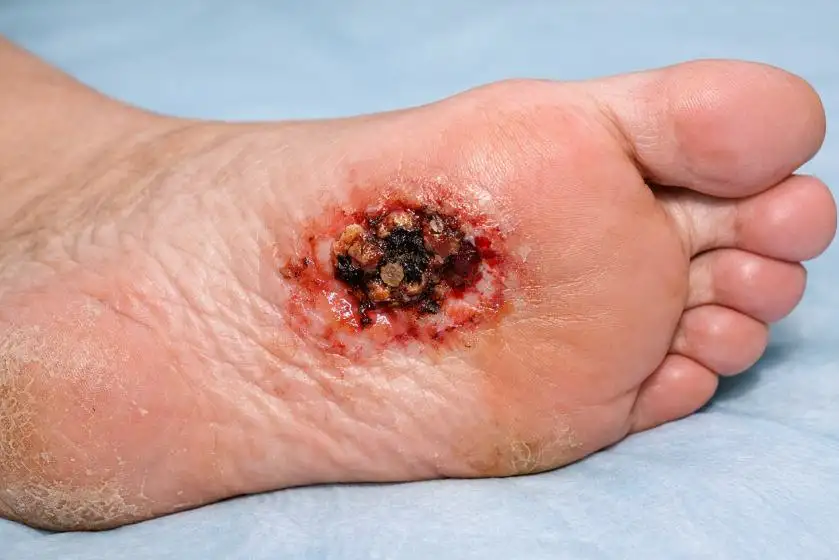
Non-healing sores
-
Bleeding or crusting lesions
-
Rapidly growing skin spots
The ABCDE Rule for Melanoma
| Letter | Meaning |
|---|---|
| A | Asymmetry |
| B | Border irregularity |
| C | Color variation |
| D | Diameter larger than 6 mm |
| E | Evolving shape or size |
Recognizing these warning signs early reduces the risk of metastasis and improves treatment success.
Diagnosis
Doctors use multiple tools to determine how does skin cancer spread and how advanced the disease is.
Diagnostic Methods
-
Visual skin examination
-
Dermoscopy
-
Skin biopsy
-
Imaging scans (CT, MRI, PET)
-
Lymph node biopsy
Accurate staging helps determine the best treatment approach and prognosis.
Treatment Options
Treatment depends on cancer type, size, location, and spread.
Common Treatments
| Treatment | Purpose |
|---|---|
| Surgical Removal | Eliminates localized tumors |
| Mohs Surgery | Precise removal with tissue preservation |
| Radiation Therapy | Targets remaining cancer cells |
| Chemotherapy | Used for advanced cases |
| Immunotherapy | Boosts immune response |
| Targeted Therapy | Attacks specific cancer mutations |
Advanced melanoma often responds well to newer immunotherapies, offering improved survival outcomes.
Prevention and Lifestyle Recommendations
Preventing skin cancer is easier than treating advanced disease.
Practical Prevention Tips
-
Apply broad-spectrum sunscreen daily
-
Wear protective clothing and hats
-
Avoid midday sun exposure
-
Skip tanning beds
-
Perform monthly skin self-exams
-
Schedule annual dermatology checkups
Healthy lifestyle habits also support immune function and skin health.
Prognosis and Survival Rates
Survival depends on early detection and cancer type.
General Survival Trends
| Stage | 5-Year Survival Rate |
|---|---|
| Early Stage | 90–99% |
| Regional Spread | 60–70% |
| Distant Metastasis | 20–30% |
When patients understand how does skin cancer spread, they are more likely to seek prompt treatment, significantly improving outcomes.
Latest Research and Innovations
Medical science continues to improve skin cancer treatment.
Recent Advances
-
Personalized immunotherapy treatments
-
Artificial intelligence for early detection
-
Advanced genetic testing
-
Combination therapies
-
Minimally invasive surgical techniques
These innovations are transforming how aggressive skin cancers are managed and improving patient survival.
Coping and Support for Patients
A skin cancer diagnosis can be emotionally overwhelming.
Support Strategies
-
Join cancer support groups
-
Seek counseling or therapy
-
Communicate openly with healthcare providers
-
Maintain a balanced diet and exercise routine
-
Lean on family and friends
Mental health support is just as important as physical treatment.
Conclusion
Understanding how does skin cancer spread is essential for prevention, early detection, and effective treatment. Skin cancer often begins locally, but without timely care, it can invade deeper tissues and spread to vital organs. By recognizing symptoms early, following prevention strategies, and seeking professional medical advice, individuals can dramatically improve survival chances and quality of life.
Taking proactive steps today—such as sun protection and regular skin checks—can make a life-saving difference tomorrow.
FAQ
1. How does skin cancer spread in the body?
Skin cancer spreads through the lymphatic system and bloodstream, allowing cancer cells to reach nearby lymph nodes and distant organs.
2. Which skin cancer spreads the fastest?
Melanoma spreads the fastest and carries the highest risk of metastasis.
3. Can skin cancer spread without symptoms?
Yes, early-stage skin cancer may not show noticeable symptoms, making regular screenings important.
4. Is skin cancer always fatal?
No. Most cases are highly treatable when detected early, especially basal and squamous cell carcinomas.
5. How can I reduce my risk of skin cancer spreading?
Early detection, sun protection, healthy lifestyle habits, and timely treatment significantly reduce the risk of spread.