Skin Cancer on Bottom of Foot: Causes, Symptoms, Diagnosis, and Effective Treatment Options
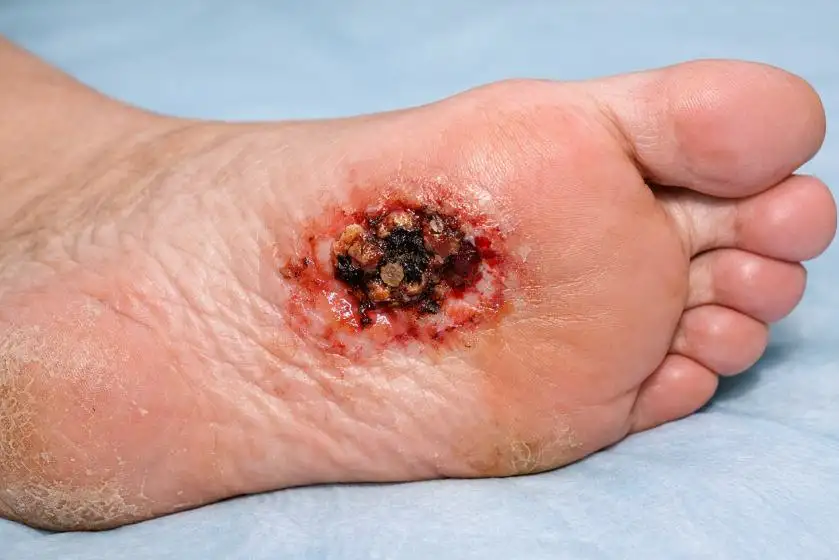
Skin cancer on bottom of foot is a rare but potentially dangerous condition that often goes unnoticed in its early stages. Because the soles of the feet are not commonly exposed to sunlight and are usually covered by shoes, many people do not regularly check this area for suspicious changes. As a result, skin cancer in this location is frequently diagnosed later than cancers on more visible parts of the body.
Understanding how skin cancer on bottom of foot develops, what warning signs to look for, and how it can be treated is essential for early detection and better outcomes. This comprehensive guide will walk you through everything you need to know, helping you take proactive steps to protect your foot health and overall well-being.
Overview
Skin cancer on the bottom of the foot, also known as plantar skin cancer, occurs when abnormal skin cells grow uncontrollably on the sole. While it is less common than skin cancer on the face or arms, it can be more aggressive, especially when associated with melanoma.
The unique anatomy of the foot, constant pressure from walking, and delayed detection make this condition particularly challenging. Regular self-examinations and awareness of subtle changes are key factors in improving early diagnosis and survival rates.
Types
Several types of skin cancer can develop on the bottom of the foot. The most common include:
| Type of Skin Cancer | Description | Risk Level |
|---|---|---|
| Acral Lentiginous Melanoma (ALM) | A rare melanoma subtype common on palms and soles | High |
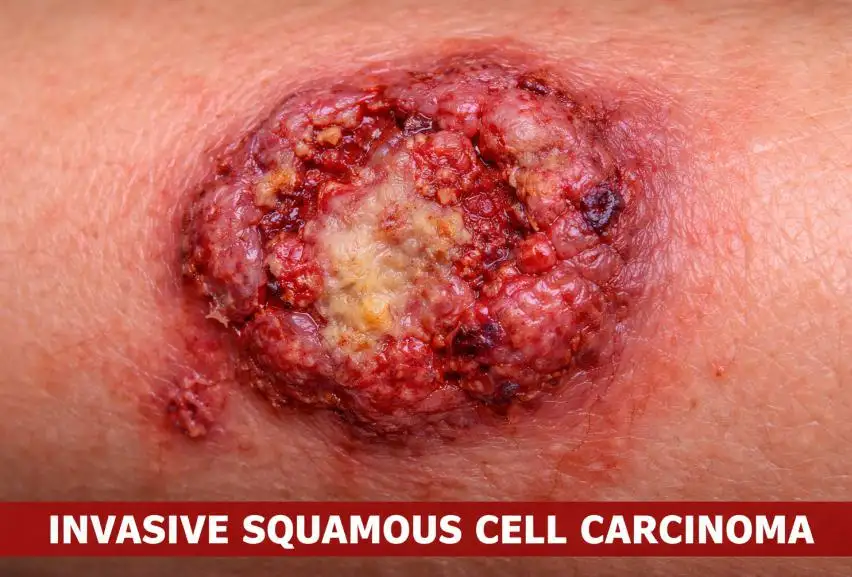
| Squamous Cell Carcinoma | Develops from squamous cells in the outer skin layer | Moderate to High |
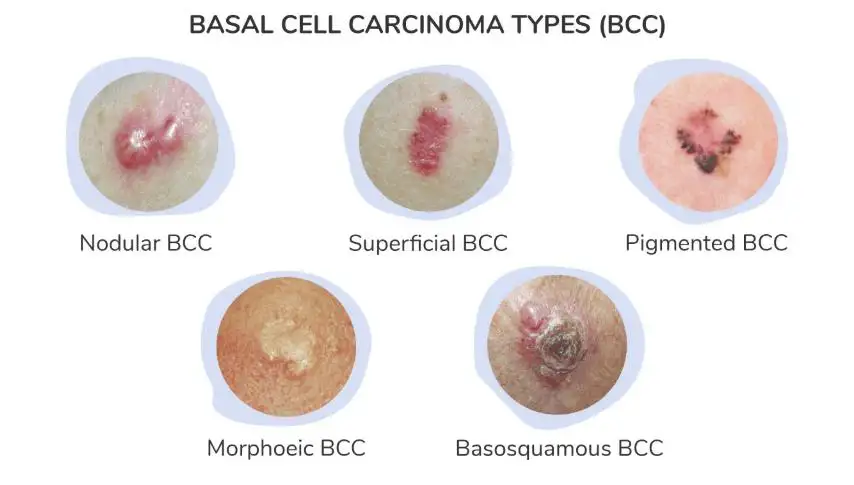
| Basal Cell Carcinoma | Slow-growing cancer, rare on soles but possible | Low to Moderate |
| Verrucous Carcinoma | A slow-growing variant of squamous cell carcinoma | Moderate |
Acral lentiginous melanoma is particularly concerning because it is often misdiagnosed as a bruise or callus.
Causes and Risk Factors
Unlike other skin cancers, skin cancer on bottom of foot is not always linked directly to sun exposure. Multiple factors may contribute to its development:
| Risk Factor | Explanation |
|---|---|
| Genetic predisposition | Family history of melanoma increases risk |
| Chronic pressure or trauma | Repeated friction may trigger abnormal cell changes |
| Weakened immune system | Reduced ability to fight abnormal cells |
| Age | Higher risk in older adults |
| Skin type | Can affect all skin tones, including darker skin |
Understanding these risk factors can help you identify your personal risk level and take preventive action.
Symptoms and Early Warning Signs
Early symptoms of skin cancer on bottom of foot can be subtle and easy to overlook. Watch for the following signs:
-
Dark or irregularly shaped spots on the sole
-
Non-healing sores or ulcers
-
Changes in color, size, or thickness of existing moles
-
Bleeding or pain without clear injury
-
Nail discoloration extending from the nail bed
The ABCDE rule is helpful for melanoma detection:
-
Asymmetry
-
Border irregularity
-
Color variation
-
Diameter larger than 6 mm
-
Evolving appearance
If you notice any of these changes, consult a healthcare professional promptly.
Diagnosis
Diagnosing skin cancer on bottom of foot typically involves several steps:
-
Physical examination of the affected area
-
Dermoscopic imaging to examine skin structures
-
Skin biopsy to confirm cancer type
-
Imaging tests such as MRI or CT scans if spread is suspected
Early and accurate diagnosis significantly improves treatment outcomes.
Treatment Options
Treatment depends on cancer type, stage, and overall health condition. Common treatment approaches include:
| Treatment Method | Purpose |
|---|---|
| Surgical excision | Removes cancerous tissue |
| Mohs surgery | Preserves healthy tissue while removing cancer |
| Radiation therapy | Used when surgery is not possible |
| Immunotherapy | Boosts immune response against cancer |
| Targeted therapy | Targets specific cancer cell mutations |
Your healthcare provider will recommend the most appropriate treatment plan based on individual factors.
Prevention and Lifestyle Recommendations
Although not all cases can be prevented, certain habits can reduce risk:
-
Perform regular foot self-examinations
-
Keep feet clean and moisturized
-
Avoid prolonged pressure on specific foot areas
-
Wear protective footwear in public spaces
-
Maintain a healthy immune system through balanced nutrition
Making foot checks part of your routine can greatly improve early detection.
Prognosis and Survival Rates
The prognosis of skin cancer on bottom of foot depends largely on early diagnosis. Localized cancers have significantly higher survival rates compared to advanced-stage melanoma.
| Cancer Stage | Estimated 5-Year Survival Rate |
|---|---|
| Early stage | 85–95% |
| Regional spread | 60–75% |
| Advanced stage | 20–40% |
These figures highlight the importance of timely medical evaluation.
Latest Research and Innovations
Recent advances in skin cancer research have improved outcomes for patients with foot melanoma and other plantar cancers. Innovations include:
-
AI-assisted diagnostic imaging
-
Personalized immunotherapy treatments
-
Advanced targeted drug therapies
-
Improved surgical techniques with minimal tissue damage
These developments continue to enhance survival rates and quality of life.
Coping and Support for Patients
Being diagnosed with skin cancer on bottom of foot can be emotionally challenging. Support is essential for recovery and mental well-being:
-
Join patient support groups
-
Seek counseling or therapy
-
Maintain open communication with healthcare providers
-
Lean on family and friends for emotional support
Mental health care is just as important as physical treatment.
Conclusion
Skin cancer on bottom of foot is often overlooked but can be life-threatening if not detected early. By understanding the symptoms, risk factors, and available treatment options, you empower yourself to take control of your health.
Regular foot checks, prompt medical attention, and healthy lifestyle choices can significantly improve outcomes. Stay proactive, stay informed, and make foot health a priority.
FAQ
1. Is skin cancer on bottom of foot common?
It is relatively rare compared to other skin cancers, but it carries higher risks due to delayed diagnosis.
2. Can skin cancer develop without sun exposure?
Yes. Skin cancer on the sole of the foot is often unrelated to UV exposure and may be influenced by genetic and mechanical factors.
3. How often should I check my feet?
A monthly self-examination is recommended, especially if you have risk factors.
4. Is melanoma on the foot more aggressive?
Acral lentiginous melanoma can be more aggressive due to late detection, making early diagnosis critical.
5. When should I see a doctor?
If you notice persistent discoloration, sores, or unusual changes on your foot, seek medical advice immediately.