Side Effects of Skin Cancer: Symptoms, Risks, Treatment Impact, and Recovery Guide

Skin cancer is one of the most common types of cancer worldwide, affecting millions of people each year. While many discussions focus on early detection and treatment, fewer people fully understand the side effects of skin cancer and how they can impact physical health, emotional well-being, and daily life. These effects may vary depending on the type of skin cancer, its stage, and the treatment approach used.
Understanding the side effects of skin cancer is essential for patients, caregivers, and the general public. Being informed helps you recognize warning signs early, prepare for treatment challenges, and take preventive measures to reduce long-term complications. In this comprehensive guide, you will learn about symptoms, diagnosis, treatment-related effects, and the latest innovations that aim to improve patient outcomes.
Overview
Skin cancer occurs when abnormal skin cells grow uncontrollably, usually due to prolonged exposure to ultraviolet (UV) radiation from the sun or tanning beds. The side effects of skin cancer can range from mild skin changes to serious systemic complications if the disease spreads to other organs.
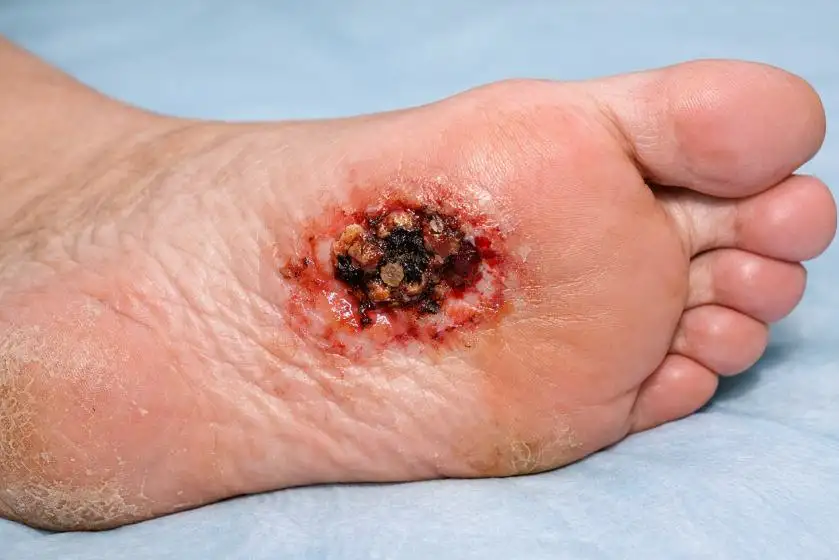
Some side effects are directly caused by the cancer itself, such as pain, bleeding, or ulceration. Others are related to treatments, including surgery, radiation therapy, or immunotherapy. Recognizing both types is important for effective management and recovery.
Types
Different types of skin cancer present different risks and side effects. The three most common types are listed below:
| Type of Skin Cancer | Characteristics | Potential Side Effects |
|---|---|---|
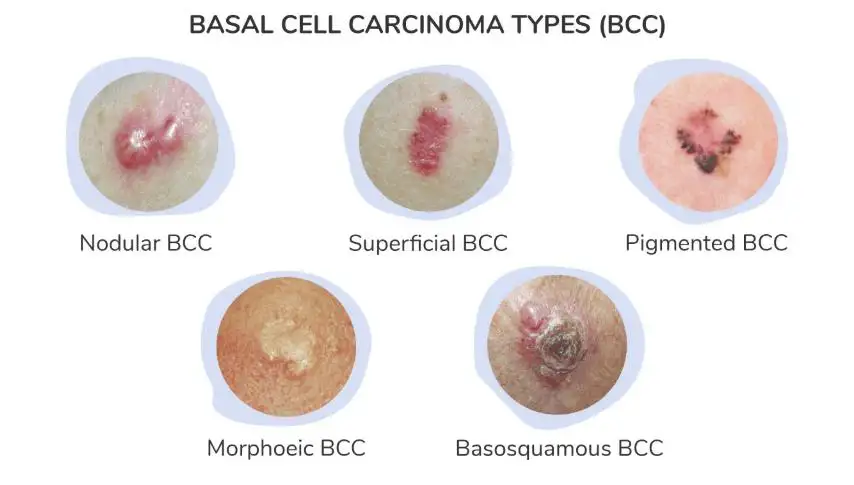
| Basal Cell Carcinoma (BCC) | Slow-growing, rarely spreads | Local tissue damage, scarring |
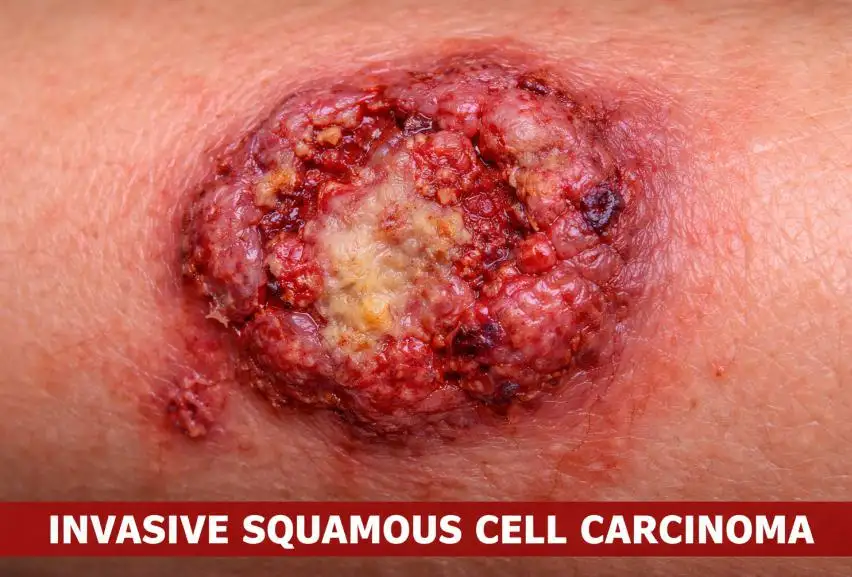
| Squamous Cell Carcinoma (SCC) | More aggressive than BCC | Pain, bleeding, risk of spread |
| Melanoma | Most dangerous form | Organ metastasis, fatigue, severe complications |
Melanoma is responsible for the majority of skin cancer-related deaths and often leads to more severe side effects of skin cancer, especially in advanced stages.
Causes and Risk Factors
Several factors increase the likelihood of developing skin cancer and its associated side effects. These include:
-
Prolonged sun exposure without protection
-
Frequent use of tanning beds
-
Fair skin, light hair, and light eye color
-
Family history of skin cancer
-
Weak immune system
-
History of severe sunburns
Long-term UV exposure damages DNA in skin cells, increasing the risk of cancer development and intensifying the potential side effects of skin cancer.
Symptoms and Early Warning Signs
Recognizing early symptoms can reduce complications and improve survival rates. Common warning signs include:
-
New or changing moles
-
Irregular borders or uneven coloring
-
Sores that do not heal
-
Persistent itching or tenderness
-
Bleeding or oozing skin lesions
As the disease progresses, the side effects of skin cancer may include swelling of lymph nodes, chronic pain, and unexplained weight loss. Early detection remains one of the most effective ways to minimize long-term damage.
Diagnosis
Doctors use several methods to confirm skin cancer and assess its severity:
-
Visual skin examination
-
Dermoscopy for detailed lesion analysis
-
Skin biopsy to confirm cancer type
-
Imaging tests such as CT or MRI scans for advanced cases
Accurate diagnosis helps determine the treatment plan and predict possible side effects of skin cancer, ensuring patients receive appropriate care.
Treatment Options
Treatment depends on the type and stage of skin cancer. Common options include:
| Treatment Method | Purpose | Possible Side Effects |
|---|---|---|
| Surgery | Remove cancerous tissue | Scarring, infection, pain |
| Radiation Therapy | Destroy remaining cancer cells | Skin irritation, fatigue |
| Chemotherapy | Target rapidly dividing cells | Nausea, hair loss, immune suppression |
| Immunotherapy | Boost immune response | Flu-like symptoms, inflammation |
| Targeted Therapy | Attack specific cancer cells | Skin rash, joint pain |
Some side effects of skin cancer result directly from these treatments. However, advances in medical technology continue to reduce their intensity and improve recovery times.
Prevention and Lifestyle Recommendations
Preventing skin cancer is the most effective way to avoid its long-term side effects. Consider these practical steps:
-
Use broad-spectrum sunscreen daily
-
Wear protective clothing and hats
-
Avoid peak sun hours between 10 AM and 4 PM
-
Perform regular skin self-examinations
-
Schedule routine dermatology checkups
-
Maintain a healthy diet rich in antioxidants
These habits not only lower cancer risk but also reduce the severity of potential side effects of skin cancer.
Prognosis and Survival Rates
Prognosis depends on cancer type, stage, and overall health. Early-stage skin cancer often has an excellent survival rate, especially for basal cell and squamous cell carcinoma. Melanoma survival rates have improved significantly due to better treatments and early detection programs.
When diagnosed early, most patients experience minimal side effects of skin cancer and return to normal life. Advanced cases may require long-term care and monitoring, but survival outcomes continue to improve with modern therapies.
Latest Research and Innovations
Medical research has transformed skin cancer treatment in recent years. Key innovations include:
-
Advanced immunotherapy drugs that improve survival
-
AI-powered skin cancer detection tools
-
Personalized medicine based on genetic testing
-
Less invasive surgical techniques
-
Improved radiation targeting systems
These advancements aim to reduce the side effects of skin cancer while increasing treatment effectiveness and patient comfort.
Coping and Support for Patients
Living with skin cancer can be emotionally challenging. Support systems play a vital role in recovery. Helpful coping strategies include:
-
Joining cancer support groups
-
Seeking counseling or mental health therapy
-
Maintaining open communication with healthcare providers
-
Practicing stress management techniques such as meditation
-
Staying physically active within medical limits
Emotional resilience and strong support networks can significantly ease the burden of the side effects of skin cancer.
Conclusion
The side effects of skin cancer can affect both physical health and emotional well-being, but early detection, proper treatment, and lifestyle changes can greatly reduce their impact. By understanding the risks, symptoms, and available treatment options, you empower yourself to make informed decisions about your health.
Prevention remains the best strategy, but even when skin cancer occurs, modern medical advances offer hope and improved quality of life. Staying informed, proactive, and supported can make a meaningful difference in your journey toward recovery.
FAQ
1. What are the most common side effects of skin cancer?
Common effects include skin lesions, pain, scarring, fatigue, and emotional stress, depending on the cancer stage and treatment type.
2. Can skin cancer side effects be permanent?
Some side effects such as scarring or nerve damage may be long-lasting, but many treatment-related effects are temporary.
3. Does early treatment reduce side effects of skin cancer?
Yes, early diagnosis significantly lowers complications and improves recovery outcomes.
4. Are treatment side effects worse than the cancer itself?
In some cases, treatment side effects can be uncomfortable, but they are necessary to eliminate cancer and prevent progression.
5. How can I minimize the side effects of skin cancer treatment?
Follow your doctor’s recommendations, maintain a healthy lifestyle, manage stress, and attend regular follow-up appointments.