Invasive Squamous Cell Carcinoma Skin Cancer: Symptoms, Treatment, and Prevention Guide
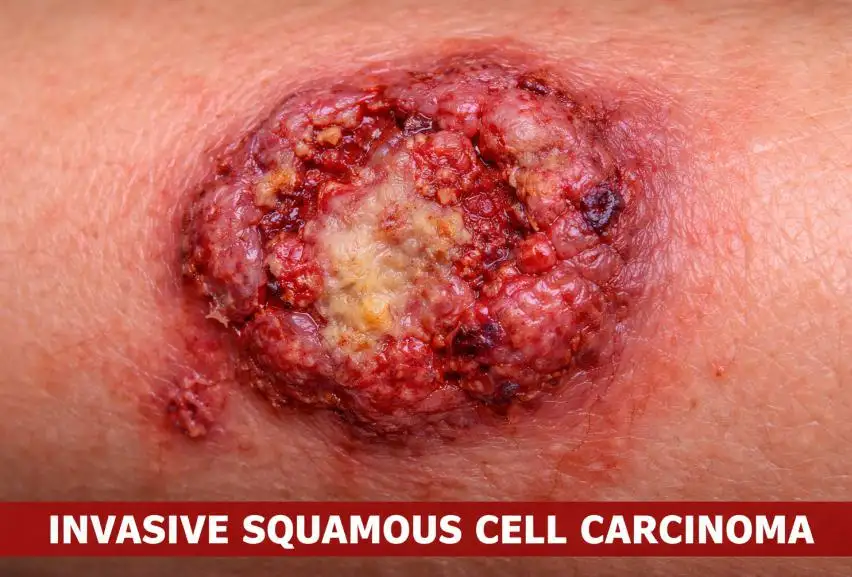
Invasive squamous cell carcinoma skin cancer is one of the most common forms of non-melanoma skin cancer and a condition that deserves serious attention. Although often treatable when detected early, its invasive nature means the cancer can penetrate deeper layers of the skin and, in rare cases, spread to other parts of the body. Understanding this disease empowers you to recognize early warning signs and seek timely medical care.
As awareness of skin health grows, many people are searching for clear, reliable information about invasive squamous cell carcinoma skin cancer. This comprehensive guide is designed to help you understand what it is, why it occurs, how it is diagnosed and treated, and what you can do to reduce your risk so you can take an active role in protecting your skin and overall well-being.
Overview of Invasive Squamous Cell Carcinoma Skin Cancer
Invasive squamous cell carcinoma skin cancer (SCC) develops from squamous cells, which make up the middle and outer layers of the skin. When these cells grow uncontrollably and invade deeper skin tissues, the cancer is classified as invasive.
Compared to superficial SCC, invasive SCC carries a higher risk of local tissue destruction and metastasis. It most commonly appears on sun-exposed areas such as the face, ears, neck, scalp, hands, and arms, but it can occur anywhere on the body.
Types of Squamous Cell Carcinoma
Squamous cell carcinoma can present in several forms, depending on depth and behavior:
| Type of SCC | Description |
|---|---|
| In Situ (Bowen’s Disease) | Cancer limited to the outermost skin layer |
| Invasive SCC | Cancer penetrates deeper layers of the skin |
| Verrucous Carcinoma | Slow-growing, wart-like variant |
| Metastatic SCC | Rare form that spreads to lymph nodes or organs |
Understanding the type helps guide treatment decisions and prognosis.
Causes and Risk Factors
The primary cause of invasive squamous cell carcinoma skin cancer is cumulative ultraviolet (UV) radiation damage. However, several factors can increase your risk:
| Risk Factor | Explanation |
|---|---|
| Chronic sun exposure | Long-term UV damage to skin cells |
| Tanning beds | Artificial UV radiation increases SCC risk |
| Fair skin | Less melanin offers less UV protection |
| Weakened immune system | Reduced ability to fight abnormal cells |
| Age | Risk increases with cumulative exposure over time |
| Chronic skin injuries | Burns, scars, or ulcers may develop SCC |
Symptoms and Early Warning Signs
Early detection significantly improves outcomes. Be alert to the following signs:
-
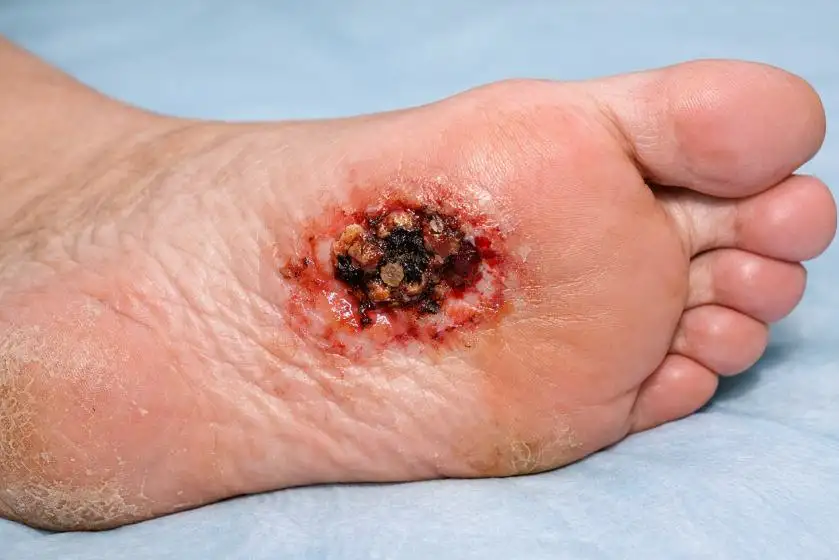
A firm, red nodule that may crust or bleed
-
A flat sore with a scaly or crusted surface
-
A new ulcer or raised area on an old scar
-
Persistent, rough, or thickened skin patches
If a skin lesion does not heal within a few weeks, it’s essential to consult a healthcare professional.
Diagnosis
Diagnosing invasive squamous cell carcinoma skin cancer involves a combination of clinical examination and diagnostic tests:
-
Visual skin examination by a dermatologist
-
Dermoscopy for detailed lesion analysis
-
Skin biopsy to confirm cancer type and depth
-
Imaging tests (in advanced cases) to assess spread
Early and accurate diagnosis is critical for effective treatment planning.
Treatment Options
Treatment depends on the size, location, depth, and stage of the cancer:
| Treatment Method | When It’s Used |
|---|---|
| Surgical excision | Standard treatment for most invasive SCC |
| Mohs micrographic surgery | High-risk or facial tumors |
| Radiation therapy | For inoperable cases or older patients |
| Cryotherapy | Small, superficial lesions |
| Systemic therapy | Advanced or metastatic SCC |
Your care team will tailor the approach to your individual condition.
Prevention and Lifestyle Recommendations
Preventing invasive squamous cell carcinoma skin cancer focuses on minimizing UV exposure and protecting skin health:
-
Use broad-spectrum sunscreen daily
-
Wear protective clothing and hats outdoors
-
Avoid tanning beds entirely
-
Perform regular self-skin examinations
-
Schedule routine dermatology checkups
Healthy habits can significantly lower your long-term risk.
Prognosis and Survival Rates
The prognosis for invasive squamous cell carcinoma skin cancer is generally favorable when detected early. Most localized cases are successfully treated with surgery. However, advanced or metastatic SCC may have lower survival rates and require more aggressive treatment.
Key factors influencing prognosis include tumor size, depth, location, and immune status of the patient.
Latest Research and Innovations
Advancements in dermatologic oncology are improving outcomes for SCC patients. Current research focuses on:
-
Targeted therapies for advanced SCC
-
Immunotherapy to boost the body’s cancer-fighting response
-
Improved imaging techniques for early detection
-
Personalized treatment strategies based on tumor genetics
These innovations offer new hope, especially for high-risk cases.
Coping and Support for Patients
A cancer diagnosis can be emotionally challenging. Support resources can make a meaningful difference:
-
Counseling or therapy for emotional well-being
-
Patient support groups, online or in person
-
Educational resources to understand treatment options
-
Family and caregiver involvement in care planning
You are not alone—support systems play a vital role in recovery.
Conclusion
Invasive squamous cell carcinoma skin cancer is a serious but often treatable condition when identified early. By understanding its causes, symptoms, and treatment options, you can take proactive steps to protect your skin and seek timely care. Regular skin checks, sun-safe habits, and medical follow-up are key to maintaining long-term skin health.
Frequently Asked Questions (FAQ)
1. What is invasive squamous cell carcinoma skin cancer?
It is a form of skin cancer that arises from squamous cells and invades deeper layers of the skin.
2. Is invasive SCC life-threatening?
Most cases are not life-threatening if treated early, but advanced cases can spread and become serious.
3. How fast does SCC grow?
Growth rates vary; some tumors grow slowly, while others can progress more rapidly.
4. Can invasive SCC come back after treatment?
Yes, recurrence is possible, which is why regular follow-up is important.
5. How can I reduce my risk?
Protect your skin from UV exposure, avoid tanning beds, and monitor any skin changes closely.