Bone Cancer and Neurological Symptoms: Understanding the Connection, Warning Signs, and Treatment Options

Bone cancer is a rare but serious condition that can affect both the skeletal system and surrounding structures, including nerves and the spinal cord. While many people associate bone cancer primarily with pain or fractures, neurological symptoms can also occur when tumors interfere with nearby nerves or compress the spinal cord. Understanding this connection is essential for early detection and timely treatment.
If you or someone you care about has been experiencing unexplained nerve-related symptoms alongside persistent bone pain, it is important to recognize that these signs may require medical evaluation. This article explains the relationship between bone cancer and neurological symptoms, covering causes, early warning signs, diagnosis, treatment approaches, and recent developments in care in a clear and practical way.
Overview of Bone Cancer and Neurological Symptoms
Bone cancer refers to malignant tumors that originate in the bone (primary bone cancer) or spread to the bone from other organs (secondary or metastatic bone cancer). Although primary bone cancers are relatively uncommon, they can have significant health effects when they affect nerves or the spine.
Neurological symptoms typically arise when a tumor presses on nerves, the spinal cord, or surrounding tissues. As tumors grow, they may disrupt normal nerve signaling, leading to sensory changes, muscle weakness, or coordination problems. In cases involving the spine, nerve compression can produce symptoms in areas far from the original tumor site.
Types of Bone Cancer Associated with Neurological Symptoms
Several types of bone cancer are more likely to cause neurological complications, particularly when located near nerve pathways or the spine.
Common Types of Bone Cancer
| Type of Bone Cancer | Typical Location | Neurological Risk |
|---|---|---|
| Osteosarcoma | Long bones (arms, legs) | Moderate if near nerves |
| Chondrosarcoma | Pelvis, shoulder, spine | Higher when spinal involvement occurs |
| Ewing Sarcoma | Pelvis, spine, long bones | Can affect nerve structures |
| Metastatic Bone Cancer | Spine, ribs, pelvis | High risk of nerve compression |
Tumors located in or near the spine are particularly concerning because they may compress the spinal cord, leading to neurological deficits.
Causes and Risk Factors
The exact cause of bone cancer is not always known, but several factors can increase risk.
Common Risk Factors
-
Genetic mutations or inherited syndromes
-
Previous radiation therapy
-
Rapid bone growth during adolescence
-
Certain benign bone diseases
-
Cancer spreading from other organs (metastasis)
Neurological symptoms are usually not caused directly by cancer cells themselves but by the tumor’s physical pressure on nerves or the spinal cord.
Symptoms and Early Warning Signs
Recognizing early signs of bone cancer and neurological involvement can significantly improve outcomes.
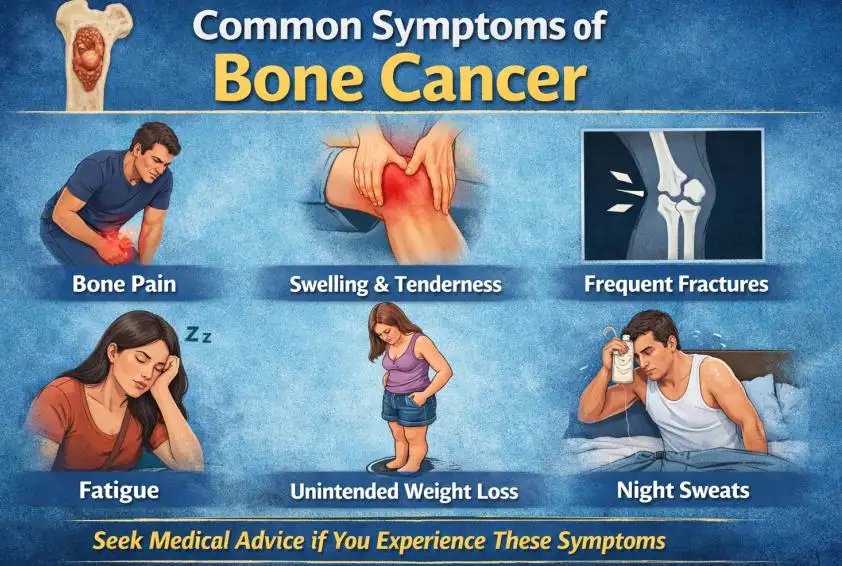
Bone-Related Symptoms
-
Persistent bone pain that worsens over time
-
Pain that increases at night
-
Swelling or tenderness near a bone
-
Unexplained fractures
Neurological Symptoms
When nerve structures are affected, symptoms may include:
-
Numbness or tingling in arms or legs
-
Muscle weakness
-
Difficulty walking or loss of coordination
-
Radiating pain along a nerve pathway
-
Reduced sensitivity to temperature or touch
-
Loss of bladder or bowel control in severe cases
Spinal tumors or bone tumors pressing on nerves may cause progressive muscle weakness, sensory changes, or mobility difficulties as the tumor grows.
Diagnosis
Early diagnosis involves a combination of clinical evaluation and imaging tests.
Diagnostic Methods
| Diagnostic Tool | Purpose |
|---|---|
| X-ray | Detects bone abnormalities |
| MRI | Evaluates nerve and spinal cord involvement |
| CT Scan | Provides detailed bone structure imaging |
| Bone Scan | Identifies cancer spread |
| Biopsy | Confirms cancer type |
MRI is particularly important when neurological symptoms are present, as it helps visualize nerve compression or spinal cord involvement.
Treatment Options
Treatment depends on the type, stage, and location of the cancer, as well as the severity of neurological symptoms.
Common Treatment Approaches
-
Surgery to remove the tumor and relieve nerve pressure
-
Chemotherapy to destroy cancer cells
-
Radiation therapy for tumor control or pain relief
-
Targeted therapy in selected cases
-
Rehabilitation to restore mobility and nerve function
In many situations, relieving nerve compression quickly is essential to prevent permanent neurological damage.
Prevention and Lifestyle Recommendations
Although bone cancer cannot always be prevented, certain lifestyle practices may support overall bone and neurological health.
Recommended Strategies
-
Maintain a balanced diet rich in calcium and vitamin D
-
Engage in regular weight-bearing exercise
-
Avoid smoking and excessive alcohol consumption
-
Seek medical evaluation for persistent or unexplained bone pain
-
Follow regular medical checkups if at higher risk
Early attention to symptoms remains one of the most effective ways to prevent complications.
Prognosis and Survival Rates
Prognosis varies depending on cancer type, stage, tumor location, and response to treatment. Localized bone cancer generally has better outcomes compared to advanced or metastatic disease. Early detection and prompt treatment significantly improve survival chances and quality of life.
Neurological symptoms do not always indicate a poor prognosis, but they may suggest advanced local involvement that requires immediate medical attention.
Latest Research and Innovations
Recent advances in bone cancer research focus on improving survival while reducing treatment side effects. Emerging developments include:
-
Targeted therapies that attack specific cancer pathways
-
Immunotherapy designed to enhance the body’s immune response
-
Advanced imaging techniques for earlier detection
-
AI-assisted diagnostics improving tumor identification and treatment planning
Researchers are also exploring personalized treatment strategies aimed at improving outcomes, especially in aggressive forms of bone cancer.
Coping and Support for Patients
A diagnosis involving bone cancer and neurological symptoms can be emotionally and physically challenging. Strong support systems play an important role in recovery and long-term well-being.
Helpful Support Strategies
-
Physical therapy to regain strength and mobility
-
Pain management programs
-
Psychological counseling or support groups
-
Open communication with healthcare providers
-
Family and caregiver involvement in care planning
Patients who actively participate in treatment decisions often feel more empowered and better prepared throughout the treatment process.
Conclusion
Bone cancer and neurological symptoms are closely connected when tumors affect nerves or the spinal cord. Recognizing early warning signs such as persistent pain, numbness, or muscle weakness can lead to earlier diagnosis and more effective treatment. While bone cancer remains a serious condition, advances in medical care continue to improve outcomes and quality of life for many patients.
If you notice unusual neurological symptoms accompanied by ongoing bone pain, seeking medical evaluation promptly can make a meaningful difference.
FAQ
1. Can bone cancer cause neurological symptoms?
Yes. Neurological symptoms can occur when a bone tumor compresses nerves or the spinal cord, leading to numbness, weakness, or coordination problems.
2. Are neurological symptoms an early sign of bone cancer?
They can be, especially when tumors develop near the spine or major nerves. However, many neurological symptoms have non-cancerous causes, so proper medical evaluation is necessary.
3. Is nerve damage from bone cancer permanent?
Not always. Early treatment to relieve nerve compression may allow partial or full recovery, depending on the severity and duration of nerve involvement.
4. Which bone cancer most commonly causes neurological problems?
Bone cancers affecting the spine or pelvis, including metastatic bone cancer, are more likely to produce neurological symptoms.
5. When should I see a doctor?
You should seek medical advice if you experience persistent bone pain, unexplained numbness, muscle weakness, or difficulty walking that does not improve over time.