Bone Cancer Treatment Methods Without Amputation: Modern Options for Limb-Sparing Recovery

Hearing a diagnosis of bone cancer can feel overwhelming, especially when the possibility of amputation is mentioned. For many patients and families, preserving mobility and quality of life becomes a top priority. Fortunately, advances in medical science have made Bone Cancer Treatment Methods Without Amputation more effective and accessible than ever before.
Today, limb-sparing techniques, targeted therapies, and precision-based treatment strategies allow many patients to keep their affected limb while still achieving strong cancer control outcomes. In this comprehensive guide, you’ll discover the latest non-amputation treatment options, how they work, and what you should know if you or a loved one is facing bone cancer.
Overview of Bone Cancer
Bone cancer occurs when abnormal cells grow uncontrollably within the bone. It can be classified as either primary bone cancer (originating in the bone) or secondary bone cancer (metastatic cancer that spreads from other parts of the body).
Primary bone cancer is relatively rare compared to other cancers. However, it can be aggressive and requires specialized treatment. Thanks to advancements in limb-sparing surgery and multimodal therapy, Bone Cancer Treatment Methods Without Amputation have become the standard approach in many cases.
Types of Bone Cancer
Understanding the type of bone cancer is crucial because treatment strategies vary depending on the diagnosis.
| Type of Bone Cancer | Common Age Group | Typical Location | Amputation Required? |
|---|---|---|---|
| Osteosarcoma | Teens & young adults | Long bones (arms, legs) | Rare with modern care |
| Ewing Sarcoma | Children & teens | Pelvis, legs | Often avoidable |
| Chondrosarcoma | Adults | Pelvis, thigh | Usually limb-sparing |
| Metastatic Bone Cancer | Adults | Spine, hips, ribs | Very rare |
Most patients today are candidates for bone cancer treatment methods without amputation, especially when diagnosed early.
Causes and Risk Factors
The exact cause of bone cancer is not always clear. However, several risk factors increase susceptibility:
-
Genetic conditions (e.g., Li-Fraumeni syndrome)
-
Previous radiation therapy
-
Paget’s disease of bone
-
Family history of cancer
-
Rapid bone growth during adolescence (linked to osteosarcoma)
While risk factors cannot always be controlled, awareness supports early detection and better outcomes.
Symptoms and Early Warning Signs
Recognizing symptoms early significantly improves treatment success rates.
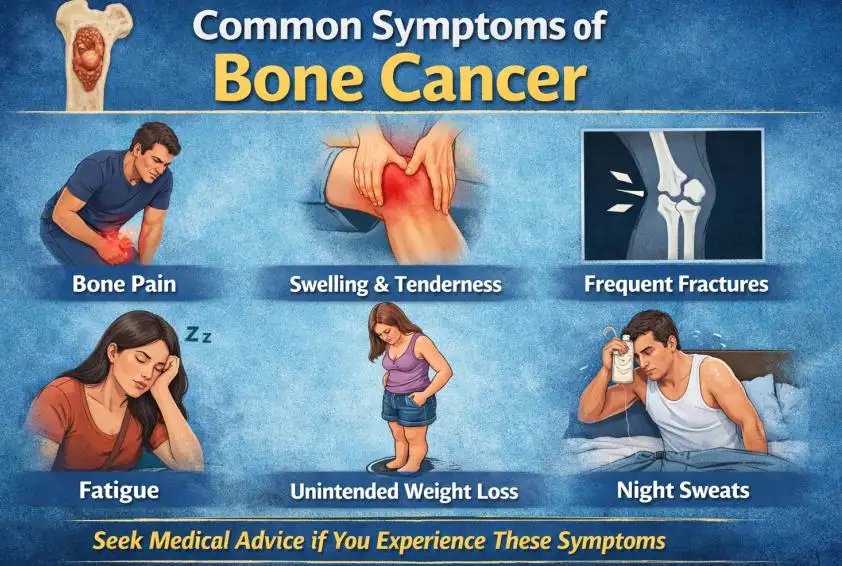
Common symptoms include:
-
Persistent bone pain (especially worsening at night)
-
Swelling or a noticeable lump
-
Unexplained fractures
-
Reduced mobility or joint stiffness
-
Fatigue or unexplained weight loss
If you experience ongoing bone pain that does not improve with rest, consult a healthcare provider promptly.
Diagnosis
Accurate diagnosis is essential before determining eligibility for Bone Cancer Treatment Methods Without Amputation.
Diagnostic tools include:
-
Physical examination
-
X-rays
-
MRI scans
-
CT scans
-
PET scans
-
Bone biopsy (definitive diagnosis)
A biopsy confirms the type and stage of cancer, guiding personalized treatment planning.
Treatment Options: Bone Cancer Treatment Methods Without Amputation
Modern treatment focuses on eliminating cancer while preserving limb function whenever possible. Below are the most common non-amputation approaches:
1. Limb-Sparing Surgery
This is the most common alternative to amputation. Surgeons remove the tumor and a margin of healthy tissue, then reconstruct the bone using:
-
Metal prosthetic implants
-
Bone grafts
-
Allografts (donor bone)
-
Expandable prostheses (for children)
Limb-sparing surgery is successful in approximately 85–90% of eligible cases.
2. Chemotherapy
Chemotherapy is often used before and after surgery to shrink tumors and kill remaining cancer cells. It is especially effective in osteosarcoma and Ewing sarcoma.
3. Radiation Therapy
Radiation is commonly used when surgery is not feasible or as an adjunct therapy. Advanced techniques like intensity-modulated radiation therapy (IMRT) reduce damage to surrounding tissues.
4. Targeted Therapy
Targeted drugs attack specific cancer cell mechanisms, minimizing harm to healthy cells. This approach is increasingly used in advanced or metastatic cases.
5. Cryosurgery
In select cases, surgeons freeze and destroy cancer cells inside the bone, preserving structural integrity.
Treatment Comparison Table
| Treatment Method | Purpose | Limb Preservation | Recovery Time |
|---|---|---|---|
| Limb-Sparing Surgery | Remove tumor | Yes | 3–12 months |
| Chemotherapy | Kill cancer cells | Yes | Ongoing cycles |
| Radiation Therapy | Shrink/control tumor | Yes | Several weeks |
| Targeted Therapy | Attack specific cells | Yes | Varies |
| Cryosurgery | Freeze tumor cells | Yes | Moderate |
Most patients receive a combination of these therapies for optimal outcomes.
Prevention and Lifestyle Recommendations
While bone cancer cannot always be prevented, you can take steps to support overall health:
-
Maintain a balanced diet rich in calcium and vitamin D
-
Engage in regular weight-bearing exercise
-
Avoid smoking
-
Limit unnecessary radiation exposure
-
Attend regular medical check-ups
Early screening is especially important if you have genetic risk factors.
Prognosis and Survival Rates
Survival rates depend on cancer type, stage, and response to treatment.
| Stage | 5-Year Survival Rate |
|---|---|
| Localized | 60–80% |
| Regional Spread | 40–60% |
| Metastatic | 20–40% |
Patients who qualify for Bone Cancer Treatment Methods Without Amputation often experience better quality of life and similar survival outcomes compared to those who undergo amputation.
Latest Research and Innovations
Medical research continues to improve non-amputation treatments. Innovations include:
-
3D-printed custom bone implants
-
Robotic-assisted limb-sparing surgery
-
Immunotherapy approaches
-
Gene-targeted therapies
-
Personalized precision oncology
Clinical trials are actively exploring more effective and less invasive strategies to preserve limb function.
Coping and Support for Patients
A bone cancer diagnosis affects more than physical health. Emotional and psychological support is equally important.
Helpful support resources include:
-
Oncology counseling
-
Support groups
-
Physical therapy
-
Rehabilitation programs
-
Family therapy
You are not alone. A multidisciplinary care team can help guide you through every step of treatment and recovery.
Conclusion
Thanks to remarkable medical advancements, Bone Cancer Treatment Methods Without Amputation are now the preferred approach in many cases. Limb-sparing surgery, chemotherapy, radiation therapy, and innovative targeted treatments offer hope for preserving mobility while effectively fighting cancer.
Early diagnosis, expert medical care, and comprehensive support significantly improve outcomes. If you or someone you love is facing bone cancer, consult a specialized oncology team to explore personalized treatment options that prioritize both survival and quality of life.
FAQ
1. Is amputation still necessary for bone cancer?
In many cases, no. Advances in limb-sparing surgery mean most patients can avoid amputation if the cancer is detected early and properly treated.
2. How successful are bone cancer treatment methods without amputation?
Success rates are high, especially for localized cancer. Limb-sparing surgery combined with chemotherapy has outcomes comparable to amputation.
3. What is the recovery time after limb-sparing surgery?
Recovery typically ranges from 3 to 12 months, depending on the extent of surgery and rehabilitation.
4. Can bone cancer come back after limb-sparing treatment?
Yes, recurrence is possible. Regular follow-up scans and monitoring are essential.
5. Are children eligible for limb-sparing surgery?
Yes. Expandable prosthetics and advanced surgical techniques allow growing children to maintain limb function while continuing normal development.