
Common Symptoms of Bone Cancer: Early Warning Signs, Diagnosis, and Treatment Guide
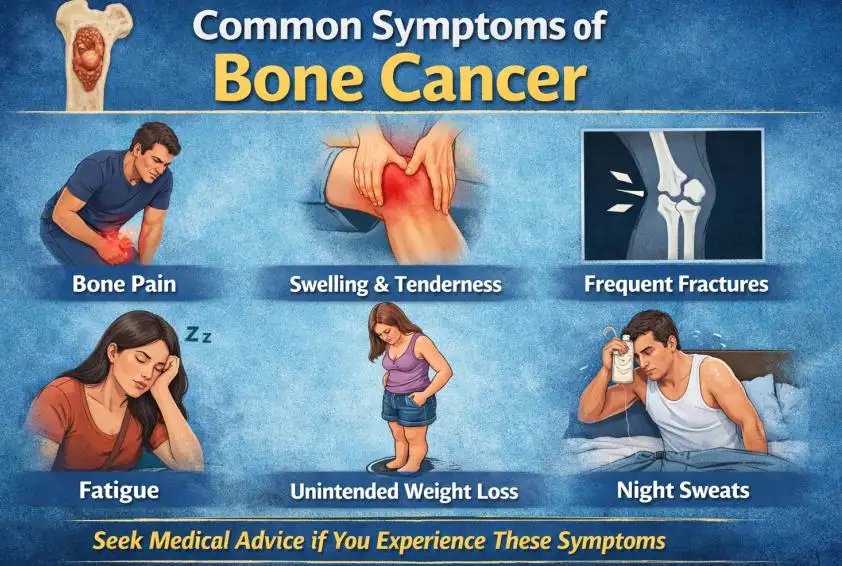
Bone cancer is a rare but serious condition that can affect both children and adults. Understanding the Common Symptoms of Bone Cancer is essential because early detection significantly improves treatment outcomes and survival rates. Unfortunately, many early signs are subtle and often mistaken for minor injuries or growing pains.
If you or someone you love experiences persistent bone pain, unexplained swelling, or unusual fractures, it is important not to ignore these signals. This comprehensive guide will walk you through the common symptoms of bone cancer, its causes, diagnosis methods, treatment options, and the latest medical advancements to help you stay informed and proactive about your health.
Overview of Bone Cancer
Bone cancer occurs when abnormal cells grow uncontrollably within a bone. It can either begin in the bone (primary bone cancer) or spread to the bone from other parts of the body (secondary or metastatic bone cancer).
Primary bone cancer is relatively rare compared to cancers that metastasize to the bone from organs such as the breast, lung, or prostate. However, recognizing the common symptoms of bone cancer remains crucial regardless of the type.
Types of Bone Cancer
There are several types of primary bone cancer, each affecting different age groups and parts of the body.
| Type of Bone Cancer | Most Affected Age Group | Common Location |
|---|---|---|
| Osteosarcoma | Children & Teens | Long bones (arms, legs) |
| Chondrosarcoma | Adults over 40 | Pelvis, hips, shoulders |
| Ewing Sarcoma | Children & Young Adults | Pelvis, ribs, legs |
| Chordoma | Adults | Spine, skull base |
Secondary bone cancer occurs when cancer spreads from another organ to the bone. This is more common than primary bone cancer.
Causes and Risk Factors
The exact cause of bone cancer is not always known. However, certain risk factors may increase the likelihood of developing it.
Genetic Factors
Some inherited conditions, such as Li-Fraumeni syndrome or hereditary retinoblastoma, can increase risk.
Previous Radiation Therapy
High-dose radiation exposure for previous cancer treatments may elevate the risk.
Bone Disorders
Conditions such as Paget’s disease of bone may slightly increase the risk in older adults.
Rapid Bone Growth
Osteosarcoma is more common during periods of rapid bone growth, especially in adolescents.
While these factors can increase risk, many individuals diagnosed with bone cancer have no identifiable risk factors.
Common Symptoms of Bone Cancer and Early Warning Signs
Recognizing the Common Symptoms of Bone Cancer early can make a significant difference in treatment success. The symptoms may vary depending on the location and type of cancer.
1. Persistent Bone Pain
This is the most common symptom. The pain may:
-
Start as mild and intermittent
-
Worsen at night
-
Become constant over time
-
Increase with activity
2. Swelling and Tenderness
Swelling near the affected area may develop weeks after pain begins. The area may feel warm and tender.
3. Unexplained Fractures
Bones weakened by cancer can break easily, even with minor injury. These are known as pathological fractures.
4. Fatigue and Weakness
Cancer can cause overall fatigue due to the body’s immune response and metabolic changes.
5. Unintended Weight Loss
Unexpected weight loss without changes in diet or exercise may be a warning sign.
6. Limited Movement
If the tumor is near a joint, stiffness and restricted movement may occur.
Below is a summary table for clarity:
| Symptom | Description | When to Seek Medical Attention |
|---|---|---|
| Bone Pain | Persistent, worsening pain | Lasts more than 2–3 weeks |
| Swelling | Visible lump or tenderness | Increasing size |
| Fractures | Break after minor trauma | Immediate evaluation needed |
| Fatigue | Constant tiredness | Accompanied by other symptoms |
| Weight Loss | Unexplained | Significant drop over weeks |
If you notice multiple common symptoms of bone cancer, consult a healthcare professional promptly.
Diagnosis of Bone Cancer
Early and accurate diagnosis is essential. Doctors typically use a combination of methods:
Physical Examination
Assessment of pain, swelling, and mobility.
Imaging Tests
-
X-rays
-
MRI scans
-
CT scans
-
Bone scans
Biopsy
A biopsy confirms the diagnosis by analyzing a tissue sample under a microscope.
Blood Tests
While not diagnostic alone, blood tests can help detect abnormalities.
Treatment Options
Treatment depends on the type, stage, and location of the cancer, as well as the patient’s overall health.
Surgery
The primary treatment for most bone cancers. Surgeons aim to remove the tumor while preserving limb function when possible.
Chemotherapy
Often used for osteosarcoma and Ewing sarcoma, either before or after surgery.
Radiation Therapy
Useful when surgery is not possible or to target remaining cancer cells.
Targeted Therapy
Newer medications that focus on specific cancer cell mechanisms.
Immunotherapy
Emerging treatment option that stimulates the immune system to fight cancer.
Prevention and Lifestyle Recommendations
There is no guaranteed way to prevent bone cancer. However, you can support overall bone health by:
-
Maintaining a balanced diet rich in calcium and vitamin D
-
Engaging in regular weight-bearing exercise
-
Avoiding unnecessary radiation exposure
-
Seeking medical evaluation for persistent bone pain
While these steps do not directly prevent bone cancer, they promote stronger bones and early detection of abnormalities.
Prognosis and Survival Rates
Prognosis depends on several factors, including cancer type, stage at diagnosis, and response to treatment.
| Stage | 5-Year Survival Rate (Approximate) |
|---|---|
| Localized | 70–80% |
| Regional Spread | 50–70% |
| Distant Metastasis | 20–40% |
Early detection of common symptoms of bone cancer significantly improves survival outcomes.
Latest Research and Innovations
Medical research continues to advance rapidly. Current innovations include:
-
Precision medicine tailored to genetic tumor profiles
-
Advanced limb-sparing surgical techniques
-
CAR-T cell therapy research
-
Improved imaging technologies for early detection
Clinical trials are exploring less toxic chemotherapy combinations and novel immunotherapies to improve patient outcomes.
Coping and Support for Patients
A bone cancer diagnosis can be emotionally overwhelming. Support systems are essential.
Emotional Support
Counseling and therapy can help patients cope with anxiety and depression.
Support Groups
Connecting with other patients provides encouragement and shared experiences.
Physical Rehabilitation
Post-surgery physiotherapy helps restore mobility and strength.
Family Involvement
Open communication with loved ones fosters emotional resilience and practical support.
Conclusion
Understanding the Common Symptoms of Bone Cancer empowers you to take action early. Persistent bone pain, swelling, unexplained fractures, and systemic symptoms like fatigue or weight loss should never be ignored.
While bone cancer is rare, early diagnosis dramatically improves treatment success and survival rates. If you experience concerning symptoms, consult a healthcare professional for proper evaluation. Awareness is your first and most powerful defense.
FAQ
1. What is the most common symptom of bone cancer?
Persistent bone pain that worsens over time, especially at night, is the most common symptom.
2. Can bone cancer symptoms be mistaken for other conditions?
Yes. Early symptoms may resemble sports injuries, arthritis, or growing pains, which is why persistent pain should be evaluated.
3. How long can bone cancer go unnoticed?
It varies. Some cases are detected within weeks, while others may go unnoticed for months if symptoms are mild.
4. Is bone cancer curable?
Yes, especially when detected early. Treatment success depends on the cancer type and stage.
5. When should I see a doctor for bone pain?
If bone pain lasts longer than two to three weeks, worsens, or is accompanied by swelling or fatigue, seek medical advice promptly.


