Bone Cancer in the Brain: Symptoms, Causes, Treatment, and Survival Outlook

Bone cancer in the brain is a term often used by patients to describe cancer that involves both bone tissue and the brain. In medical practice, this usually refers to cancer that begins in the bone and later spreads to the brain, or cancer that affects skull bones and impacts nearby brain structures. Because the condition can develop in several ways, understanding its nature is important for accurate diagnosis and effective treatment planning.
Receiving a diagnosis related to bone cancer in the brain can feel overwhelming for patients and families. However, advances in medical imaging, targeted therapies, and multidisciplinary cancer care have improved both treatment options and quality of life for many patients. This article explains the condition in clear and accessible language, helping you recognize symptoms, understand treatment possibilities, and learn how to cope with the challenges involved.
Overview of Bone Cancer in the Brain
Bone cancer in the brain is rarely a primary brain tumor. In most cases, it refers to metastatic cancer, meaning cancer cells have spread from their original location to the brain. Cancer may originate in bone tissue, such as osteosarcoma or Ewing sarcoma, and later spread through the bloodstream to the brain. In other situations, cancer spreads to skull bones and indirectly affects brain function.
Understanding the origin of the tumor is essential because treatment strategies differ depending on whether the cancer started in the bone or developed elsewhere before spreading to both bone and brain.
Types of Bone Cancer in the Brain
Bone cancer involving the brain can be classified based on where the cancer begins and how it spreads.
Primary Bone Cancer with Brain Metastasis
This occurs when bone cancer spreads from its original site to the brain. Although uncommon, it may happen in advanced stages of certain bone sarcomas.
Skull Bone Cancer Affecting Brain Tissue
Cancer affecting skull bones can compress nearby brain structures, producing neurological symptoms similar to brain tumors.
Secondary or Metastatic Brain Tumors with Bone Involvement
Some cancers spread simultaneously to bones and the brain, especially in later disease stages.
Causes and Risk Factors
The primary cause of bone cancer in the brain is metastasis, where cancer cells break away from the original tumor and travel to other parts of the body. The exact mechanisms behind this spread are not fully understood, but several factors may increase risk.
Common risk factors include:
-
Advanced-stage cancer
-
Aggressive tumor types
-
Previous bone metastasis
-
Genetic changes within tumor cells
-
Cancer recurrence after treatment
Patients with a history of cancer should pay attention to new neurological symptoms, as early detection improves management options.
Symptoms and Early Warning Signs
Symptoms depend on tumor size, number, and location within the brain or bone.
Neurological Symptoms
-
Persistent or worsening headaches
-
Nausea or vomiting
-
Seizures
-
Weakness or numbness on one side of the body
-
Vision or speech problems
-
Memory changes or personality shifts
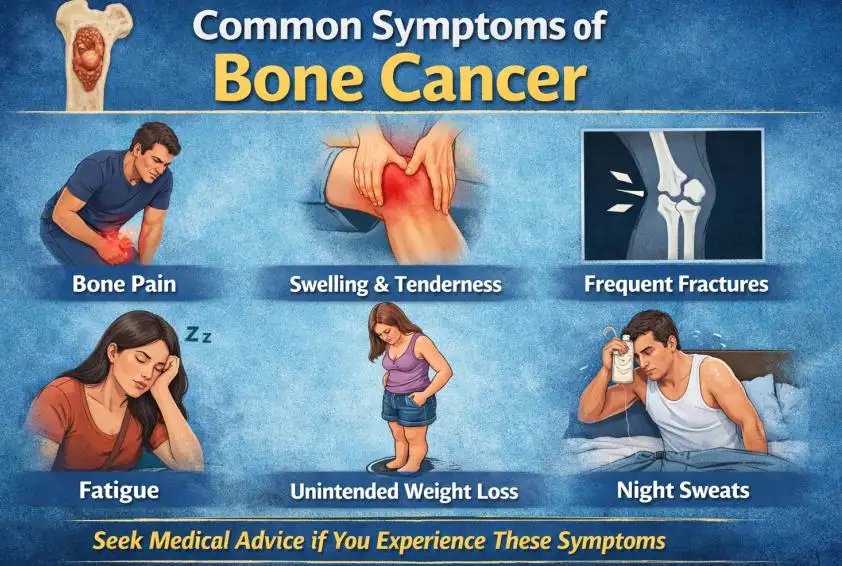
Bone-Related Symptoms
-
Persistent bone pain
-
Swelling near affected areas
-
Bones that fracture more easily
Symptom Comparison Table
| Symptom Category | Common Signs | Possible Cause |
|---|---|---|
| Neurological | Headaches, seizures, confusion | Brain involvement |
| Skeletal | Bone pain, fractures | Bone tumor or metastasis |
| General | Fatigue, weight loss | Systemic cancer effects |
Diagnosis
Diagnosing bone cancer in the brain typically requires several tests to determine tumor location and origin.
Common diagnostic methods include:
-
MRI scans for detailed brain imaging
-
CT scans to evaluate structural changes
-
PET scans to detect active cancer cells
-
Bone scans
-
Biopsy to confirm cancer type
-
Laboratory tests to assess overall health
Accurate diagnosis helps doctors develop a personalized treatment plan.
Treatment Options
Treatment depends on cancer type, number of tumors, overall health, and extent of spread. Most patients receive a combination of therapies.
Common Treatment Approaches
-
Surgical removal of accessible tumors
-
Radiation therapy or stereotactic radiosurgery
-
Chemotherapy
-
Targeted therapy
-
Immunotherapy
-
Medications to strengthen bones and reduce complications
A multidisciplinary approach involving oncologists, neurosurgeons, and radiation specialists often provides the best outcomes.
Prevention and Lifestyle Recommendations
While bone cancer in the brain cannot always be prevented, certain lifestyle and medical practices may help improve outcomes.
Recommended steps include:
-
Attending regular cancer follow-up appointments
-
Reporting new neurological symptoms early
-
Maintaining balanced nutrition
-
Staying physically active when possible
-
Avoiding smoking and excessive alcohol
-
Managing stress and emotional health
Early detection remains one of the most important factors in improving treatment success.
Prognosis and Survival Rates
Prognosis varies widely depending on cancer type, extent of spread, and response to treatment. Brain metastases from bone cancers are relatively rare and often associated with advanced disease. Survival outcomes differ between individuals, and some patients respond well to aggressive or combined treatments.
Factors influencing prognosis include:
-
Age and general health
-
Tumor aggressiveness
-
Number of brain lesions
-
Availability of surgical options
-
Response to therapy
Survival statistics provide general guidance but cannot predict individual outcomes.
Latest Research and Innovations
Ongoing research continues to improve treatment strategies for bone cancer in the brain. Recent developments include precision radiation techniques that minimize damage to healthy tissue, genetic testing to guide targeted therapy, and new immunotherapy approaches designed to enhance the body’s immune response against cancer cells.
Clinical trials are also exploring combination therapies aimed at improving survival and reducing treatment side effects.
Coping and Support for Patients
Living with bone cancer in the brain affects physical, emotional, and psychological well-being. Strong support systems play a key role in maintaining quality of life.
Helpful coping strategies include:
-
Joining patient or caregiver support groups
-
Seeking professional counseling
-
Working with palliative care teams
-
Maintaining open communication with healthcare providers
-
Setting realistic daily goals and routines
Emotional support can significantly improve resilience during treatment.
Conclusion
Bone cancer in the brain is a complex condition that usually involves metastatic disease rather than a primary brain tumor. Although the diagnosis can be challenging, modern treatment options continue to improve symptom control and extend survival for many patients. Early recognition of symptoms, timely diagnosis, and comprehensive care are essential steps toward achieving the best possible outcome.
FAQ
1. Is bone cancer in the brain common?
No, it is relatively rare, especially when originating from primary bone cancer.
2. Can bone cancer in the brain be cured?
In many metastatic cases, treatment focuses on controlling disease progression and improving quality of life rather than complete cure.
3. What are the earliest symptoms?
Persistent headaches, seizures, neurological changes, or unexplained bone pain may appear early.
4. How is it treated?
Treatment usually includes surgery, radiation therapy, chemotherapy, or targeted therapies depending on individual cases.
5. When should I see a doctor?
You should seek medical evaluation if you experience ongoing neurological symptoms or persistent bone pain, especially if you have a history of cancer.