Characteristics of Bone Cancer: Symptoms, Causes, Diagnosis, and Treatment Explained

Understanding the Characteristics of bone cancer is essential for early detection, accurate diagnosis, and effective treatment. Bone cancer is a rare but serious condition that can affect people of all ages. Because its early symptoms often resemble common bone or joint problems, many patients may overlook the warning signs until the disease has progressed.
This article provides a comprehensive, reader-friendly guide to the characteristics of bone cancer, covering its types, causes, symptoms, diagnostic methods, and treatment options. Whether you are seeking information for yourself or a loved one, this guide aims to empower you with clear, reliable knowledge and practical insights.
Overview
Bone cancer is a malignant tumor that originates in the bone tissue. Unlike cancers that spread to the bones from other organs, primary bone cancer begins directly in the bone. Recognizing the characteristics of bone cancer early can significantly improve treatment outcomes and long-term survival.
Bone cancer can weaken the structure of bones, interfere with movement, and affect overall quality of life. It may occur in any bone but most commonly affects the long bones of the arms and legs, as well as the pelvis and spine.
Types
There are several main types of primary bone cancer, each with distinct characteristics and behavior.
| Type of Bone Cancer | Common Age Group | Key Characteristics |
|---|---|---|
| Osteosarcoma | Children and young adults | Aggressive, often affects long bones near joints |
| Chondrosarcoma | Adults over 40 | Develops in cartilage cells, slower growing |
| Ewing Sarcoma | Children and adolescents | Often affects pelvis, ribs, or long bones |
| Chordoma | Adults | Rare, occurs in spine or skull base |
Understanding the type is crucial, as the characteristics of bone cancer vary depending on tumor origin and growth rate.
Causes and Risk Factors
The exact causes of bone cancer are not always clear, but several factors may increase risk.
Common risk factors include:
-
Genetic mutations or inherited cancer syndromes
-
Previous radiation therapy, especially during childhood
-
Certain bone diseases, such as Paget’s disease
-
Rapid bone growth during adolescence
While most people with these risk factors never develop bone cancer, awareness of these characteristics of bone cancer can prompt earlier medical evaluation.
Symptoms and Early Warning Signs
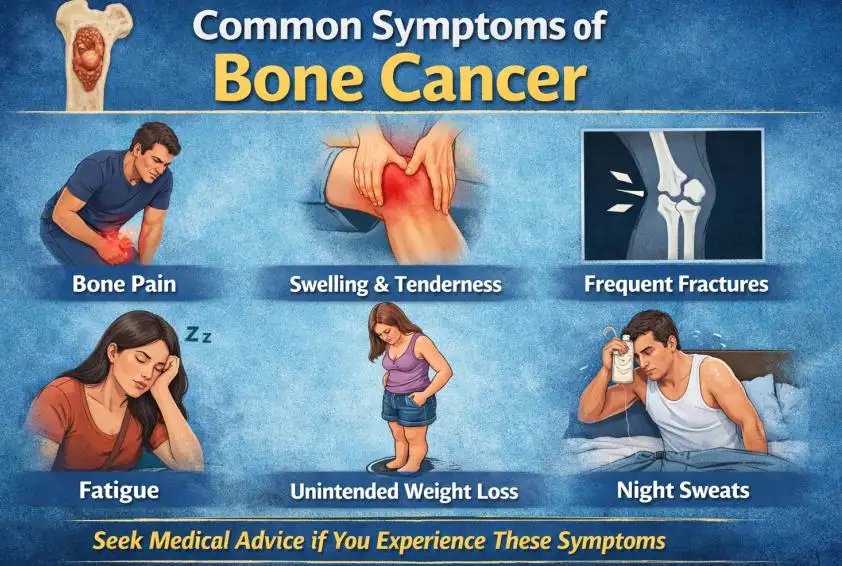
One of the most important characteristics of bone cancer is persistent bone pain that does not improve with rest. Pain may worsen at night or during activity.
Other symptoms include:
-
Swelling or a noticeable lump near the affected bone
-
Reduced mobility or stiffness in nearby joints
-
Unexplained fractures due to weakened bones
-
Fatigue and unintended weight loss
Early recognition of these symptoms can lead to faster diagnosis and better outcomes.
Diagnosis
Diagnosing bone cancer involves a combination of clinical evaluation and imaging tests. Doctors assess symptoms, medical history, and physical findings before ordering further investigations.
| Diagnostic Method | Purpose |
|---|---|
| X-ray | Detects abnormal bone structure |
| MRI or CT scan | Determines tumor size and spread |
| Bone scan | Identifies affected areas |
| Biopsy | Confirms cancer type and grade |
A biopsy is essential to confirm the characteristics of bone cancer and guide treatment planning.
Treatment Options
Treatment depends on the type, stage, and location of the cancer, as well as the patient’s overall health.
Common treatment options include:
-
Surgery to remove the tumor while preserving limb function when possible
-
Chemotherapy to destroy cancer cells or shrink tumors
-
Radiation therapy for tumors that cannot be fully removed surgically
Often, a combination of treatments is used to address the complex characteristics of bone cancer.
Prevention and Lifestyle Recommendations
There is no guaranteed way to prevent bone cancer, but certain steps may support overall bone health and early detection.
Helpful recommendations include:
-
Maintaining regular medical check-ups if you have known risk factors
-
Protecting bones from injury and excessive strain
-
Eating a balanced diet rich in calcium and vitamin D
-
Seeking medical advice for persistent or unexplained bone pain
Early attention to symptoms is key when it comes to the characteristics of bone cancer.
Prognosis and Survival Rates
The prognosis for bone cancer varies widely depending on cancer type, stage at diagnosis, and response to treatment.
| Bone Cancer Type | General 5-Year Survival Trend |
|---|---|
| Osteosarcoma | Moderate to high with early treatment |
| Chondrosarcoma | Generally favorable if localized |
| Ewing Sarcoma | Improved outcomes with combined therapy |
Early-stage diagnosis significantly improves survival, highlighting the importance of understanding the characteristics of bone cancer.
Latest Research and Innovations
Recent advances in medical research are improving outcomes for bone cancer patients. Innovations include targeted therapies, improved surgical techniques, and more precise imaging tools.
Researchers are also exploring immunotherapy and personalized medicine approaches, aiming to tailor treatment based on the unique characteristics of bone cancer in each patient.
Coping and Support for Patients
A bone cancer diagnosis can be emotionally and physically challenging. Support systems play a vital role in coping and recovery.
Patients are encouraged to:
-
Seek counseling or psychological support
-
Join cancer support groups
-
Communicate openly with healthcare providers
-
Lean on family and friends for practical and emotional help
Addressing mental well-being is just as important as treating the physical characteristics of bone cancer.
Conclusion
The Characteristics of bone cancer include persistent bone pain, swelling, and structural weakness that should never be ignored. Although rare, bone cancer requires prompt medical attention and a well-coordinated treatment approach.
By understanding the types, symptoms, diagnostic methods, and treatment options, patients and families can make informed decisions and seek care early. Awareness and education remain powerful tools in improving outcomes and quality of life.
FAQ
1. What is the most common early sign of bone cancer?
Persistent bone pain, especially pain that worsens at night or with activity, is often an early sign.
2. Is bone cancer curable?
Many cases are treatable, especially when diagnosed early. Outcomes depend on cancer type and stage.
3. How is bone cancer different from bone metastasis?
Primary bone cancer starts in the bone, while bone metastasis spreads from another organ.
4. Who is at highest risk of bone cancer?
Children, adolescents, older adults, and individuals with prior radiation exposure or genetic conditions have higher risk.
5. When should I see a doctor?
Seek medical evaluation if you experience ongoing bone pain, swelling, or unexplained fractures.