How to Diagnose Bone Cancer: Complete Guide to Early Detection, Tests, and Treatment Decisions

Understanding how to diagnose bone cancer is crucial because early detection can significantly improve treatment outcomes and long-term survival. Bone cancer is a rare but serious condition that can affect people of all ages, and its symptoms often resemble common orthopedic problems. This similarity can lead to delayed diagnosis if warning signs are overlooked.
In this comprehensive guide, you’ll learn exactly how to diagnose bone cancer, from recognizing early symptoms to understanding advanced imaging and biopsy techniques. Whether you are a patient, caregiver, or simply seeking reliable medical information, this article will walk you through the diagnostic process in a clear, professional, and engaging way.
Overview of Bone Cancer
Bone cancer occurs when abnormal cells grow uncontrollably within bone tissue. These cancerous cells can weaken the bone structure, cause pain, and spread to other parts of the body if not treated early. Knowing how to diagnose bone cancer involves combining clinical evaluation, imaging studies, laboratory tests, and tissue analysis.
Bone cancer can be classified as either primary (originating in the bone) or secondary (spreading to the bone from another cancer elsewhere in the body). Early diagnosis is especially important in primary bone cancers because they often respond better to timely treatment.
Types of Bone Cancer
Different types of bone cancer require different diagnostic approaches. Understanding the type helps doctors decide how to diagnose bone cancer accurately and efficiently.
| Type of Bone Cancer | Common Age Group | Key Characteristics |
|---|---|---|
| Osteosarcoma | Children & young adults | Aggressive tumor, often in long bones |
| Chondrosarcoma | Adults over 40 | Develops in cartilage cells |
| Ewing Sarcoma | Children & teens | Fast-growing, often affects pelvis and legs |
| Secondary Bone Cancer | Adults | Metastasis from breast, lung, or prostate cancer |
Causes and Risk Factors
While the exact causes of bone cancer are not always clear, several risk factors can increase the likelihood of developing it. Understanding these factors can guide clinicians on how to diagnose bone cancer earlier in high-risk individuals.
Common risk factors include:
-
Genetic conditions affecting bone growth
-
Previous radiation therapy
-
Certain inherited syndromes
-
Paget’s disease of bone
-
History of other cancers that commonly spread to bone
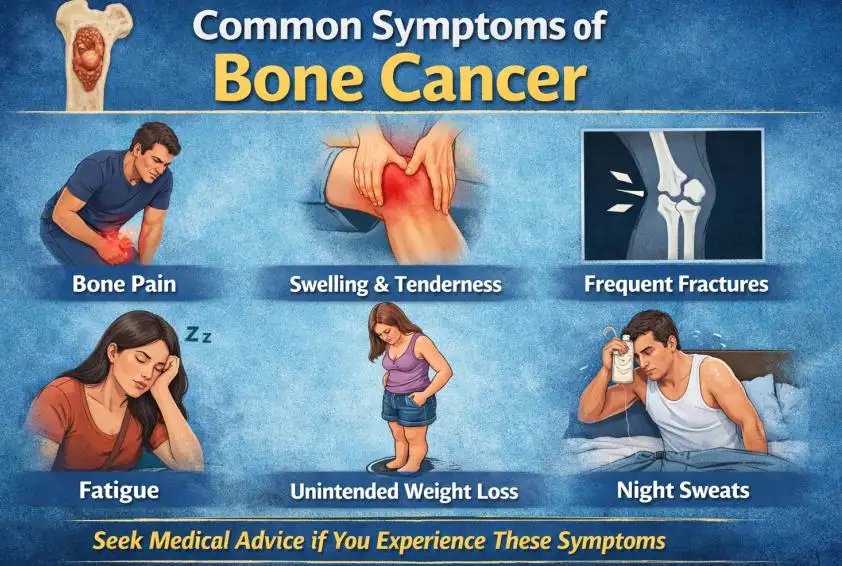
Symptoms and Early Warning Signs
Recognizing symptoms is often the first step in how to diagnose bone cancer. Early signs may be subtle and worsen over time.
Typical symptoms include:
-
Persistent bone pain, especially at night
-
Swelling or a noticeable lump near a bone
-
Reduced joint movement
-
Frequent bone fractures
-
Fatigue and unexplained weight loss
If these symptoms persist or worsen, medical evaluation is essential.
Diagnosis: How to Diagnose Bone Cancer Step by Step
The process of how to diagnose bone cancer usually involves several stages to ensure accuracy and reduce misdiagnosis.
| Diagnostic Method | Purpose | What It Reveals |
|---|---|---|
| Physical Examination | Initial assessment | Pain, swelling, mobility issues |
| X-ray | First imaging test | Bone destruction or abnormal growth |
| MRI Scan | Detailed imaging | Tumor size and soft tissue involvement |
| CT Scan | Structural clarity | Bone detail and spread |
| Bone Scan | Detects active bone changes | Possible metastasis |
| Biopsy | Definitive diagnosis | Cancer type and grade |
A biopsy is the most critical step, as it confirms whether the tumor is cancerous and identifies its exact type.
Treatment Options After Diagnosis
Once doctors confirm how to diagnose bone cancer, treatment planning begins. Treatment depends on cancer type, stage, location, and overall health.
Common treatment options include:
-
Surgery to remove the tumor
-
Chemotherapy to destroy cancer cells
-
Radiation therapy for tumors not fully removable
-
Targeted therapy in specific cancer types
Often, a combination of treatments provides the best outcome.
Prevention and Lifestyle Recommendations
While not all cases can be prevented, certain lifestyle choices may reduce risk or support early detection.
Helpful recommendations include:
-
Regular medical checkups for high-risk individuals
-
Prompt evaluation of persistent bone pain
-
Maintaining bone health through balanced nutrition
-
Avoiding unnecessary radiation exposure
Understanding how to diagnose bone cancer early also relies on patient awareness and proactive healthcare behavior.
Prognosis and Survival Rates
Prognosis depends heavily on early diagnosis. When bone cancer is detected before it spreads, survival rates are significantly higher. Localized bone cancer generally has a better outlook compared to advanced or metastatic cases.
Factors influencing prognosis include:
-
Cancer type and stage
-
Response to treatment
-
Patient age and overall health
Early diagnosis remains the most important factor in improving survival.
Latest Research and Innovations
Advances in medical research are improving how to diagnose bone cancer with greater precision. Innovations include:
-
Molecular and genetic testing
-
Advanced imaging techniques
-
Personalized treatment planning
-
Improved limb-sparing surgical methods
These developments aim to increase accuracy, reduce treatment side effects, and improve quality of life.
Coping and Support for Patients
A bone cancer diagnosis can be emotionally challenging. Support systems play a vital role throughout diagnosis and treatment.
Patients may benefit from:
-
Counseling or mental health support
-
Patient education programs
-
Support groups and survivor networks
-
Open communication with healthcare providers
Understanding how to diagnose bone cancer can also empower patients to feel more in control of their care journey.
Conclusion
Learning how to diagnose bone cancer is essential for early detection, effective treatment, and better outcomes. From recognizing early symptoms to undergoing advanced diagnostic tests, each step plays a critical role in accurate diagnosis. Staying informed, seeking medical attention promptly, and following professional guidance can make a life-changing difference.
Frequently Asked Questions (FAQ)
1. How early can bone cancer be diagnosed?
Bone cancer can be diagnosed early if symptoms are recognized promptly and proper imaging and biopsy tests are performed.
2. What is the most accurate test for diagnosing bone cancer?
A biopsy is the most definitive method for confirming bone cancer.
3. Can bone cancer be mistaken for arthritis or injury?
Yes, early symptoms can resemble common bone or joint conditions, which is why proper evaluation is crucial.
4. Is bone cancer curable if diagnosed early?
In many cases, early-stage bone cancer is highly treatable and can be cured with appropriate therapy.
5. Who should be screened for bone cancer?
People with persistent bone pain, known risk factors, or a history of cancer should seek medical evaluation promptly.