Bone Cancer in Spine Life Expectancy: Prognosis, Treatment Options

Being diagnosed with cancer affecting the spine can be overwhelming and frightening. One of the first and most pressing questions patients and families often ask is about bone cancer in spine life expectancy. Understanding what this diagnosis means, how it progresses, and what factors influence survival can help patients make informed decisions and feel more in control during a challenging time.
This article provides a comprehensive, evidence-based overview of bone cancer in the spine, including causes, symptoms, diagnosis, treatment options, and prognosis. Written in a professional yet engaging tone, it aims to guide you step by step, answering common concerns while offering clarity, reassurance, and practical insights.
Overview
Bone cancer in the spine refers to malignant tumors that originate in or spread to the vertebral bones. These tumors can disrupt the structural integrity of the spine, compress nerves, and affect overall quality of life. The bone cancer in spine life expectancy varies widely depending on tumor type, stage, patient age, general health, and response to treatment.
Spinal bone cancer may be primary, meaning it starts in the bone itself, or secondary (metastatic), where cancer spreads to the spine from another part of the body. Secondary spinal bone cancer is far more common and often influences prognosis differently than primary tumors.
Types
Different types of bone cancer can affect the spine, each with distinct characteristics and survival outcomes.
| Type of Bone Cancer | Description | Typical Prognosis |
|---|---|---|
| Chondrosarcoma | Cancer of cartilage cells, often slow-growing | Moderate to good if detected early |
| Osteosarcoma | Aggressive cancer of bone-forming cells | Depends on stage and treatment response |
| Ewing Sarcoma | Rare, fast-growing cancer, more common in younger patients | Improved with modern therapies |
| Multiple Myeloma | Cancer of plasma cells often affecting spinal bones | Chronic, treatable but not curable |
| Metastatic Bone Cancer | Spread from breast, lung, prostate, or other cancers | Depends on primary cancer type |
Understanding the exact type is crucial for estimating bone cancer in spine life expectancy and choosing the most effective treatment plan.
Causes and Risk Factors
While the exact cause of primary bone cancer in the spine is often unknown, several risk factors may increase susceptibility:
-
Genetic mutations or inherited cancer syndromes
-
Previous radiation therapy
-
Paget’s disease of bone
-
Family history of bone cancer
-
Advanced age (for metastatic spinal cancer)
-
Existing cancers prone to spreading to bone
Metastatic spinal bone cancer is usually linked to cancers of the breast, lung, prostate, kidney, or thyroid.
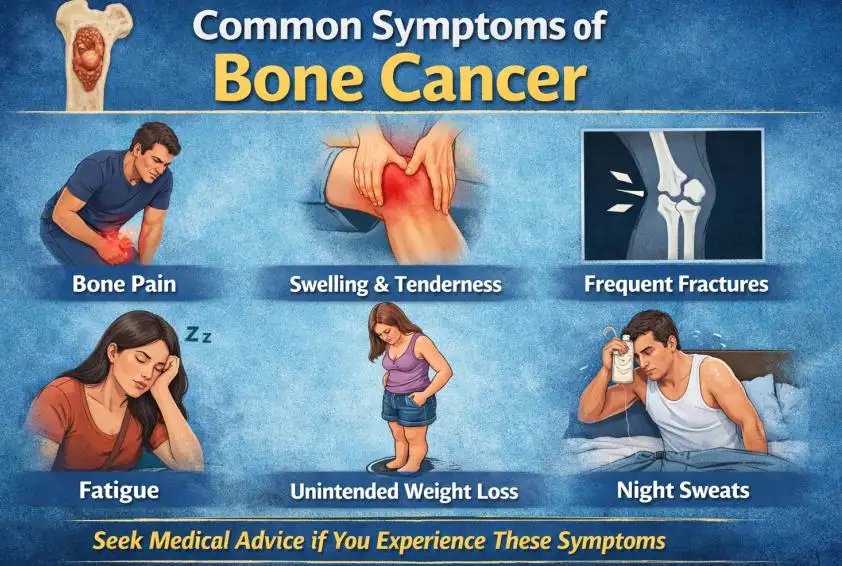
Symptoms and Early Warning Signs
Early symptoms may be subtle and easily overlooked. Recognizing warning signs can lead to earlier diagnosis and improved outcomes.
Common symptoms include:
-
Persistent back or neck pain that worsens over time
-
Pain that increases at night or during rest
-
Weakness, numbness, or tingling in limbs
-
Difficulty walking or maintaining balance
-
Unexplained fractures
-
Loss of bladder or bowel control in advanced cases
If you experience ongoing spinal pain with neurological symptoms, medical evaluation is essential.
Diagnosis
Diagnosing spinal bone cancer involves a combination of clinical assessment and advanced imaging techniques.
| Diagnostic Method | Purpose |
|---|---|
| MRI | Detailed view of spinal cord and soft tissues |
| CT Scan | Evaluates bone destruction and structure |
| Bone Scan | Detects cancer spread throughout the skeleton |
| Biopsy | Confirms cancer type and grade |
| Blood Tests | Assesses markers and overall health |
Accurate diagnosis plays a central role in predicting bone cancer in spine life expectancy and tailoring treatment.
Treatment Options
Treatment depends on cancer type, stage, location, and patient health. Most patients receive a combination of therapies.
-
Surgery: Removes tumors and stabilizes the spine when possible
-
Radiation Therapy: Shrinks tumors and relieves pain
-
Chemotherapy: Targets fast-growing cancer cells
-
Targeted Therapy: Focuses on specific molecular pathways
-
Immunotherapy: Enhances the body’s immune response
Supportive treatments such as pain management and physical therapy are also vital for maintaining quality of life.
Prevention and Lifestyle Recommendations
Although spinal bone cancer cannot always be prevented, healthy habits can support overall well-being and treatment tolerance:
-
Maintain a balanced, nutrient-rich diet
-
Engage in gentle physical activity as advised by your doctor
-
Avoid smoking and excessive alcohol consumption
-
Manage existing chronic conditions
-
Attend regular follow-up appointments
Early detection of primary cancers reduces the risk of metastatic spread to the spine.
Prognosis and Survival Rates
The bone cancer in spine life expectancy varies significantly. Primary spinal bone cancers generally have better outcomes than metastatic disease, especially when diagnosed early.
| Condition | Estimated Survival Outlook |
|---|---|
| Localized primary spinal bone cancer | 60–80% 5-year survival |
| Advanced primary bone cancer | 30–50% 5-year survival |
| Metastatic spinal bone cancer | Depends on primary cancer type |
| Multiple myeloma | Median survival 5–10 years with treatment |
It is important to remember that statistics reflect averages, not individual outcomes. Advances in treatment continue to improve survival and quality of life.
Latest Research and Innovations
Ongoing research is transforming spinal bone cancer care. Key developments include:
-
Precision medicine using genetic profiling
-
Minimally invasive spinal surgery techniques
-
Advanced radiation methods like stereotactic radiosurgery
-
New immunotherapies and combination treatments
-
Improved pain control and rehabilitation strategies
These innovations are positively influencing bone cancer in spine life expectancy and patient comfort.
Coping and Support for Patients
Living with spinal bone cancer affects both physical and emotional well-being. Support is essential.
-
Seek counseling or psychological support
-
Join cancer support groups
-
Communicate openly with family and caregivers
-
Work with a multidisciplinary medical team
-
Focus on achievable goals and daily quality of life
Emotional resilience and social support can make a meaningful difference throughout treatment.
Conclusion
Understanding bone cancer in spine life expectancy requires looking beyond statistics to consider tumor type, treatment options, and individual health factors. While the diagnosis is serious, modern medicine offers effective treatments that can extend life and improve comfort. With early detection, personalized care, and strong support systems, many patients continue to live meaningful, fulfilling lives.
If you or a loved one is facing spinal bone cancer, informed decisions and proactive care are powerful tools on the journey ahead.
FAQ
1. Is bone cancer in the spine always fatal?
No. Many patients respond well to treatment, especially when the cancer is detected early or managed effectively.
2. How fast does spinal bone cancer progress?
Progression varies by cancer type. Some tumors grow slowly, while others are more aggressive.
3. Can spinal bone cancer be cured?
Certain primary bone cancers may be curable with surgery and therapy. Metastatic disease is usually managed rather than cured.
4. Does treatment improve life expectancy?
Yes. Advances in surgery, radiation, and systemic therapies have significantly improved outcomes.
5. What affects bone cancer in spine life expectancy the most?
Key factors include cancer type, stage at diagnosis, overall health, and response to treatment.