Bone Cancer in the Shoulder: Symptoms, Causes, Diagnosis, Treatment, and Recovery Guide
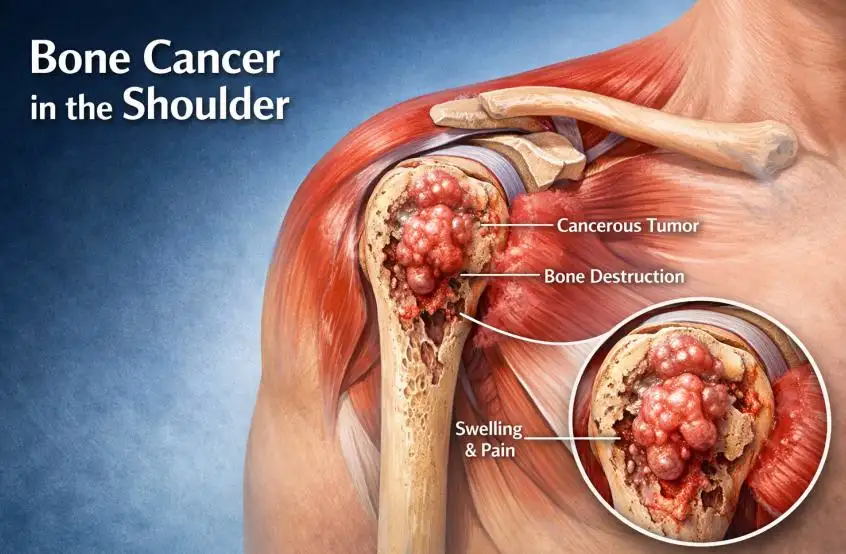
Bone cancer in the shoulder is a rare but serious condition that can affect the upper arm bone (humerus), shoulder blade (scapula), or surrounding structures. Because shoulder pain is commonly associated with injuries or muscle strain, early signs of bone cancer may sometimes be overlooked. Understanding the condition can help you recognize warning signs early and seek timely medical attention.
This article provides a comprehensive and easy-to-understand guide to bone cancer in the shoulder, covering its types, causes, symptoms, diagnosis, treatment options, and long-term outlook. Whether you are researching for yourself or supporting someone else, this guide aims to give you clear, reliable, and practical information.
Overview
Bone cancer in the shoulder refers to malignant tumors that develop in the bones forming the shoulder joint or nearby tissues. These tumors may originate directly in the bone (primary bone cancer) or spread to the shoulder from another cancer elsewhere in the body (secondary or metastatic cancer).
Primary bone cancers are relatively rare, but early diagnosis and proper treatment significantly improve outcomes. The shoulder region is one of the possible locations where certain bone cancers, such as osteosarcoma or chondrosarcoma, may develop. Awareness of symptoms and early medical evaluation play an important role in successful treatment.
Types of Bone Cancer in the Shoulder
Several types of bone cancer can affect the shoulder area. The most common include:
| Type of Bone Cancer | Description | Common Age Group |
|---|---|---|
| Osteosarcoma | Cancer that forms in bone-forming cells, often near joints such as the shoulder | Children, teens, young adults |
| Chondrosarcoma | Develops from cartilage cells, often affecting adults | Adults over 40 |
| Ewing Sarcoma | Rare tumor affecting bone or soft tissue | Children and adolescents |
| Metastatic Bone Cancer | Cancer spread from other organs like breast or lung | Adults |
Osteosarcoma is one of the most frequently diagnosed primary bone cancers and may occur in the upper arm near the shoulder joint.
Causes and Risk Factors
The exact cause of bone cancer in the shoulder is often unknown. However, certain factors may increase the risk:
-
Genetic conditions linked to cancer development
-
Previous radiation therapy or certain chemotherapy treatments
-
Pre-existing bone disorders
-
Rapid bone growth during adolescence
-
Family history of specific cancers
In many cases, bone cancer develops without any identifiable risk factor, which makes awareness of symptoms especially important.
Symptoms and Early Warning Signs
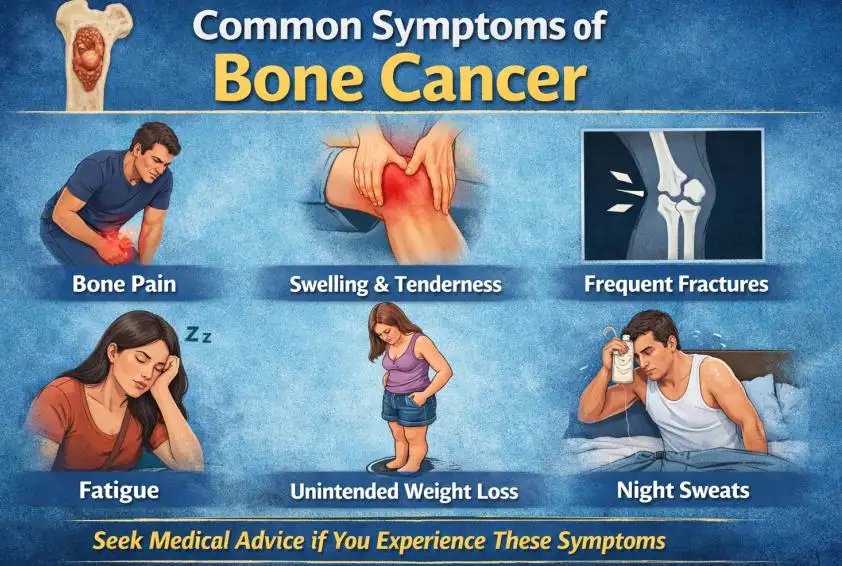
Symptoms of bone cancer in the shoulder may develop gradually and worsen over time. Common signs include:
-
Persistent shoulder pain that does not improve with rest
-
Pain that worsens at night or during activity
-
Swelling or a noticeable lump around the shoulder
-
Limited shoulder movement or stiffness
-
Weakness in the arm
-
Unexplained fractures
-
Fatigue or unexplained weight loss in advanced stages
If shoulder pain persists for several weeks or continues to worsen, medical evaluation is strongly recommended.
Diagnosis
Diagnosing bone cancer in the shoulder usually involves several steps:
| Diagnostic Method | Purpose |
|---|---|
| Physical Examination | Evaluates pain, swelling, and mobility |
| X-ray | Detects abnormal bone structure |
| MRI or CT Scan | Determines tumor size and spread |
| Bone Scan | Identifies cancer activity in bones |
| Biopsy | Confirms cancer type through tissue analysis |
Early imaging and biopsy are essential because bone cancer symptoms can resemble common shoulder injuries.
Treatment Options
Treatment depends on the cancer type, stage, and overall health of the patient. Common treatment approaches include:
-
Surgery to remove the tumor while preserving limb function when possible
-
Chemotherapy, especially for aggressive bone cancers
-
Radiation therapy for certain tumor types or when surgery is not feasible
-
Targeted therapy that focuses on specific cancer cells
-
Rehabilitation therapy to restore shoulder strength and mobility after treatment
Modern treatment approaches increasingly focus on limb-sparing procedures to maintain function and quality of life.
Prevention and Lifestyle Recommendations
There is no guaranteed way to prevent bone cancer in the shoulder. However, maintaining overall health may support early detection and recovery:
-
Seek medical evaluation for persistent bone or joint pain
-
Maintain regular health checkups
-
Avoid unnecessary radiation exposure
-
Follow a balanced and nutritious diet
-
Stay physically active within safe limits
Early awareness remains one of the most effective strategies for improving outcomes.
Prognosis and Survival Rates
The prognosis for bone cancer in the shoulder varies depending on several factors, including cancer type, tumor size, whether the cancer has spread, and how well the patient responds to treatment.
Localized bone cancer generally has a more favorable outcome compared to cancer that has spread to other parts of the body. Early diagnosis and advances in treatment have significantly improved survival rates and long-term recovery for many patients.
Latest Research and Innovations
Medical research continues to improve treatment outcomes for bone cancer in the shoulder. Recent developments include:
-
Targeted therapies designed to attack cancer cells more precisely
-
Improved surgical techniques that help preserve limb function
-
Advanced imaging technologies for earlier detection
-
Artificial intelligence tools assisting in treatment planning
-
Clinical trials exploring immunotherapy and personalized medicine
These innovations aim to increase survival while improving quality of life during and after treatment.
Coping and Support for Patients
A diagnosis of bone cancer can be emotionally and physically challenging. Support systems play a crucial role in recovery and overall well-being:
-
Psychological counseling or therapy
-
Cancer support groups
-
Physical rehabilitation programs
-
Family and caregiver involvement
-
Nutritional support during treatment
A multidisciplinary care approach often helps patients manage both medical and emotional challenges more effectively.
Conclusion
Bone cancer in the shoulder is uncommon but requires early recognition and timely medical care. Understanding symptoms, risk factors, and treatment options empowers patients to seek help sooner and improves the chances of successful treatment. With ongoing medical advancements, many patients today experience better outcomes and improved quality of life after treatment.
FAQ
1. Is bone cancer in the shoulder common?
No, primary bone cancer is rare, although cancer spreading to bone from other parts of the body is more common.
2. What does bone cancer shoulder pain feel like?
It often begins as a persistent ache that gradually worsens, especially at night or during movement.
3. Can bone cancer in the shoulder be cured?
In many cases, especially when detected early and localized, treatment can lead to long-term remission or cure.
4. How is bone cancer different from shoulder injury pain?
Cancer-related pain usually persists, gradually worsens, and may be accompanied by swelling or a lump.
5. When should I see a doctor?
You should seek medical advice if shoulder pain lasts more than a few weeks, worsens over time, or is accompanied by swelling or weakness.