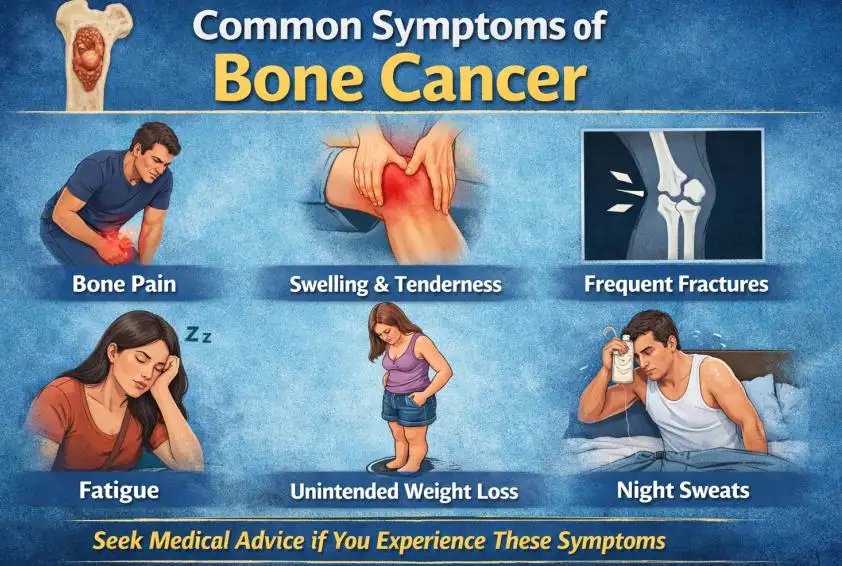
Bone Cancer of the Gums: Symptoms, Causes, Treatment, and Survival Insights
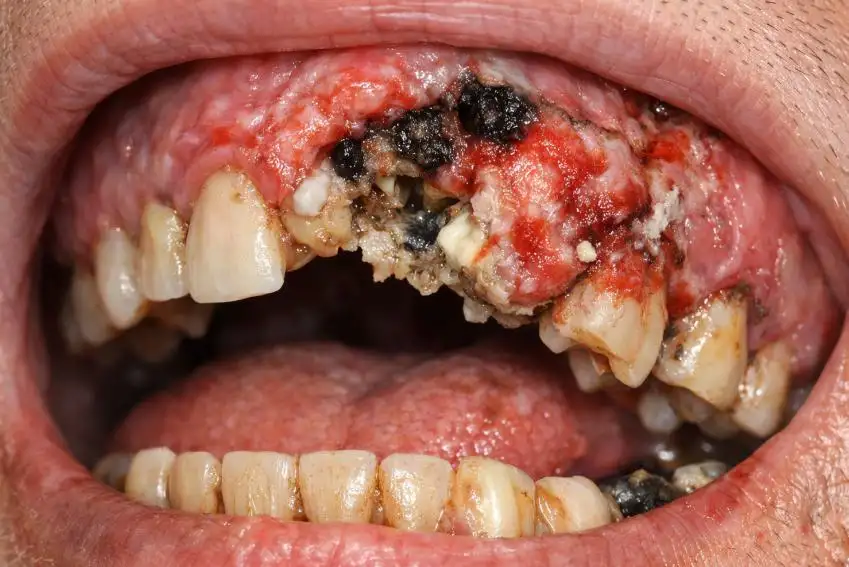
Bone cancer of the gums is a rare but serious condition that develops when malignant cells affect the gum tissue and extend into the underlying jawbone. Because early symptoms often resemble common dental problems, many people overlook the warning signs until the disease has progressed. Understanding this condition can help you recognize early symptoms and seek timely medical care.
If you or someone close to you has been diagnosed with gum or jaw-related cancer, learning about causes, treatment options, and prognosis can reduce uncertainty and help you make informed decisions. This article provides a comprehensive, medically informed overview of bone cancer of the gums in a clear and reader-friendly format.
Overview of Bone Cancer of the Gums
Bone cancer of the gums typically refers to cancers that originate in the gum tissue (gingiva) and spread into the underlying jawbone, or cancers that begin in the bone itself and affect the surrounding gum structures. These cancers are generally classified under oral or jaw cancers.
In many cases, gum cancers are squamous cell carcinomas that invade nearby bone structures as they grow. Less commonly, primary bone cancers such as osteosarcoma can arise directly from the jawbone. The condition is considered part of head and neck cancers and requires specialized diagnosis and treatment.
Because the gums and jawbone are closely connected anatomically, tumors in this area may affect chewing, speech, and facial structure if not treated early.
Types of Bone Cancer of the Gums
Several types of cancer may be involved when bone cancer affects the gums:
| Type of Cancer | Origin | Characteristics |
|---|---|---|
| Squamous Cell Carcinoma | Gum tissue lining | Most common type; may invade jawbone |
| Osteosarcoma | Jawbone | Malignant bone tumor, often aggressive |
| Chondrosarcoma | Cartilage tissue | Rare, slower-growing bone cancer |
| Primary Intraosseous Carcinoma | Bone tissue | Develops within jawbone without initial soft tissue involvement |
The type of cancer significantly influences treatment choices and prognosis.
Causes and Risk Factors
The exact cause of bone cancer of the gums is not always known, but several risk factors increase the likelihood of developing oral and jaw cancers.
Common risk factors include:
-
Tobacco use, including smoking and chewing tobacco
-
Heavy alcohol consumption
-
Poor oral hygiene or chronic gum irritation
-
Ill-fitting dentures or long-term oral trauma
-
Previous radiation therapy to the head or neck
-
Genetic predisposition in rare cases
Tobacco and alcohol are considered major contributors to jaw and gum cancers, especially when combined.
Symptoms and Early Warning Signs
Early detection significantly improves treatment outcomes, but symptoms can be subtle in the early stages.
Common symptoms include:
-
Persistent gum pain or swelling
-
Sores or ulcers that do not heal within two weeks
-
Bleeding gums without obvious cause
-
Loose teeth or changes in bite alignment
-
Numbness in the gums or jaw
-
Jaw pain or swelling
-
Difficulty chewing or speaking
-
White or red patches on the gums
Because these symptoms may mimic gum infections or periodontal disease, professional evaluation is essential if symptoms persist.
Diagnosis
Diagnosing bone cancer of the gums involves multiple steps to confirm the presence and extent of the disease.
Typical diagnostic methods include:
-
Oral examination by a dentist or specialist
-
Imaging tests such as X-rays, CT scans, or MRI
-
Biopsy to examine tissue under a microscope
-
Lymph node evaluation if spread is suspected
A biopsy remains the definitive method for confirming cancer diagnosis.
Treatment Options
Treatment depends on the cancer type, stage, and overall patient health. Most patients receive a combination of therapies.
Common treatment approaches include:
| Treatment | Purpose |
|---|---|
| Surgery | Removal of tumor and affected bone |
| Radiation Therapy | Destroy remaining cancer cells |
| Chemotherapy | Used in advanced or aggressive cases |
| Targeted Therapy or Immunotherapy | Emerging options in selected patients |
| Reconstructive Surgery | Restores function and appearance |
Surgery is often the primary treatment, especially when the tumor involves bone structures.
Prevention and Lifestyle Recommendations
While not all cases can be prevented, certain lifestyle changes can lower risk:
-
Avoid tobacco products entirely
-
Limit alcohol consumption
-
Maintain excellent oral hygiene
-
Schedule regular dental checkups
-
Address gum irritation or dental issues early
-
Eat a balanced diet rich in fruits and vegetables
Early evaluation of suspicious oral changes is one of the most effective preventive measures.
Prognosis and Survival Rates
The prognosis for bone cancer of the gums varies depending on:
-
Stage at diagnosis
-
Tumor type and size
-
Whether cancer has spread to lymph nodes or distant organs
-
Patient’s overall health
When detected early, jaw-related cancers generally have significantly better outcomes compared to advanced-stage disease. Survival rates decrease when the cancer spreads beyond the original site, highlighting the importance of early diagnosis and timely treatment.
Latest Research and Innovations
Recent advancements are improving both diagnosis and treatment outcomes for oral and jaw cancers:
-
AI-assisted imaging systems are being developed to improve early detection accuracy.
-
Molecular targeted therapies are under investigation to attack cancer cells more precisely.
-
Improved radiation techniques such as intensity-modulated radiotherapy (IMRT) help reduce damage to healthy tissue.
-
Biomarkers and circulating tumor DNA are being studied for earlier detection and better prognosis prediction.
These innovations offer hope for earlier diagnosis and more personalized treatment in the future.
Coping and Support for Patients
A diagnosis of bone cancer of the gums can be emotionally and physically challenging. Patients may experience changes in appearance, eating habits, or speech after treatment.
Support strategies include:
-
Working with a multidisciplinary cancer care team
-
Seeking counseling or psychological support
-
Joining cancer support groups
-
Nutritional guidance during recovery
-
Speech or swallowing therapy when needed
Family involvement and emotional support play a critical role in recovery and quality of life.
Conclusion
Bone cancer of the gums is a complex condition that requires early recognition and prompt medical attention. Although rare, it can significantly impact oral health and daily functioning if left untreated. Advances in diagnosis and treatment continue to improve outcomes, especially when the disease is detected early.
By staying aware of symptoms, maintaining oral health, and seeking professional evaluation for persistent changes in the mouth, you can take an active role in protecting your health.
FAQ
1. Is bone cancer of the gums common?
No. It is considered rare compared to other oral cancers, but early detection is essential because it can spread to nearby bone structures.
2. Can gum cancer spread to the jawbone?
Yes. Gum cancer can invade the underlying jawbone as it progresses, which is why early treatment is important.
3. Is bone cancer of the gums curable?
Many cases are treatable and potentially curable when diagnosed early, especially before the cancer spreads.
4. What is the first symptom of bone cancer in the gums?
Persistent gum sores, swelling, or pain that does not heal within two weeks is often one of the earliest warning signs.
5. Should I see a doctor for long-lasting gum pain?
Yes. Any oral symptom that lasts more than two weeks should be evaluated by a healthcare professional to rule out serious conditions.