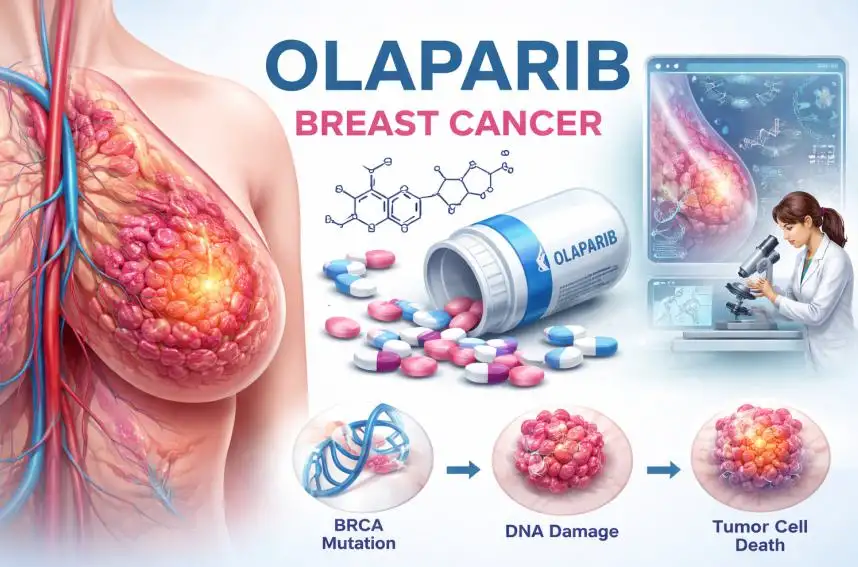
Breast Cancer Affects What Body System? A Complete Guide to Understanding Its Impact

When people ask, “breast cancer affects what body system?”, they are often seeking clarity about how this disease develops and spreads within the body. Understanding the biological systems involved can help you make informed decisions about prevention, screening, and treatment.
Breast cancer is more than just a localized disease of the breast. While it begins in breast tissue, it can influence multiple body systems as it progresses. In this comprehensive guide, you will learn how breast cancer develops, which body systems it affects, its risk factors, symptoms, diagnostic methods, treatment options, and the latest research advances.
Overview
To answer the core question, breast cancer affects what body system, the primary system involved is the reproductive system, specifically the mammary glands. However, as cancer advances, it can also affect:
-
The lymphatic system
-
The circulatory system
-
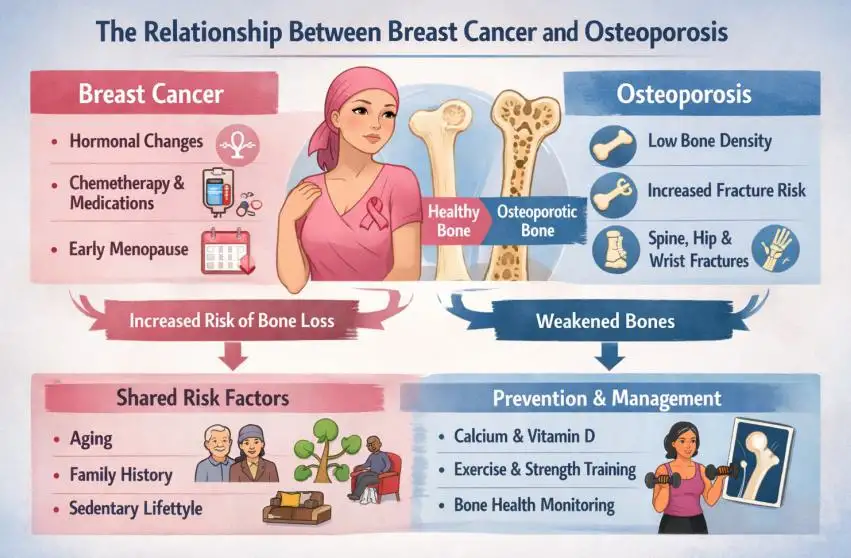
The skeletal system
-
The respiratory system
-
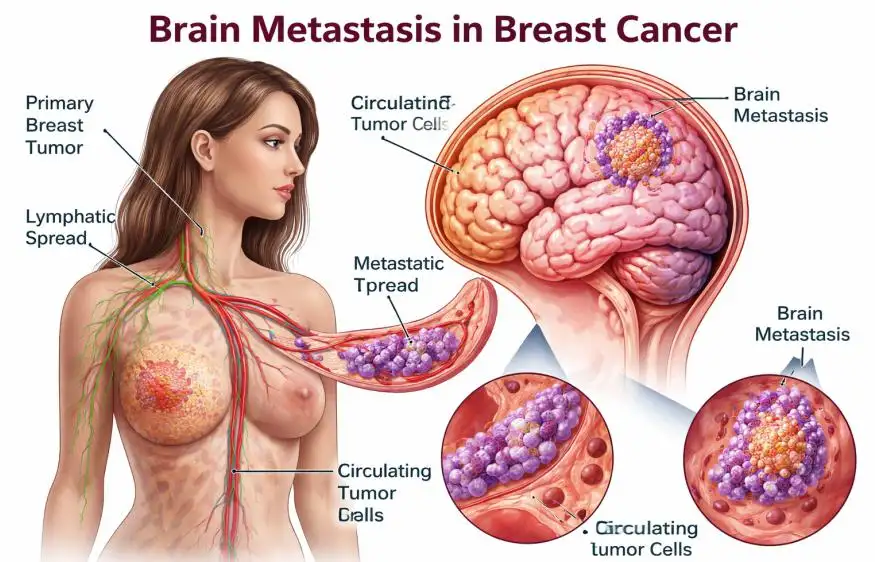
The nervous system
-
The liver (digestive system component)
Breast cancer begins when abnormal cells grow uncontrollably in breast tissue. These cells can invade nearby lymph nodes and potentially spread (metastasize) to distant organs through the bloodstream or lymphatic system.
Body Systems Commonly Affected by Breast Cancer
| Body System | How It Is Affected |
|---|---|
| Reproductive System | Origin of cancer in breast tissue |
| Lymphatic System | Cancer spreads to lymph nodes |
| Circulatory System | Cancer cells travel through blood |
| Skeletal System | Bone metastasis causes pain/fractures |
| Respiratory System | Lung metastasis affects breathing |
| Nervous System | Brain metastasis affects cognition |
| Digestive System | Liver involvement affects metabolism |
Types of Breast Cancer
Different types of breast cancer affect the body in varying ways. The most common types include:
-
Ductal Carcinoma In Situ (DCIS) – Non-invasive, confined to milk ducts.
-
Invasive Ductal Carcinoma (IDC) – Spreads beyond ducts into surrounding tissue.
-
Invasive Lobular Carcinoma (ILC) – Begins in milk-producing lobules.
-
Triple-Negative Breast Cancer (TNBC) – Aggressive and harder to treat.
-
HER2-Positive Breast Cancer – Characterized by excess HER2 protein.
-
Inflammatory Breast Cancer – Rare and rapidly progressing.
Each type has a different potential for spreading to other body systems.
Causes and Risk Factors
Breast cancer develops due to genetic mutations that cause uncontrolled cell growth. Several factors increase risk.
Non-Modifiable Risk Factors
-
Female gender
-
Increasing age
-
Family history of breast or ovarian cancer
-
Genetic mutations (BRCA1, BRCA2)
-
Early menstruation or late menopause
Modifiable Risk Factors
-
Obesity
-
Alcohol consumption
-
Smoking
-
Sedentary lifestyle
-
Hormone replacement therapy
Understanding these risk factors empowers you to take preventive action.
Symptoms and Early Warning Signs
Early detection significantly improves outcomes. Symptoms vary depending on whether the cancer is localized or has spread to other body systems.
Common Early Symptoms
-
Lump in the breast or underarm
-
Breast pain
-
Nipple discharge
-
Changes in breast shape or size
-
Skin dimpling
Symptoms of Metastasis
| Affected System | Symptoms |
|---|---|
| Bones | Persistent bone pain, fractures |
| Lungs | Shortness of breath, chronic cough |
| Brain | Headaches, seizures, confusion |
| Liver | Jaundice, abdominal swelling |
If you notice unusual changes, consult a healthcare professional promptly.
Diagnosis
Diagnosing breast cancer involves multiple steps to determine whether and how extensively it affects body systems.
Screening Tests
-
Mammogram
-
Breast ultrasound
-
MRI
Diagnostic Procedures
-
Biopsy
-
Sentinel lymph node biopsy
-
CT scan
-
PET scan
-
Bone scan
Staging ranges from Stage 0 (non-invasive) to Stage IV (metastatic), indicating how far cancer has spread within the body.
Treatment Options
Treatment depends on cancer type, stage, and overall health.
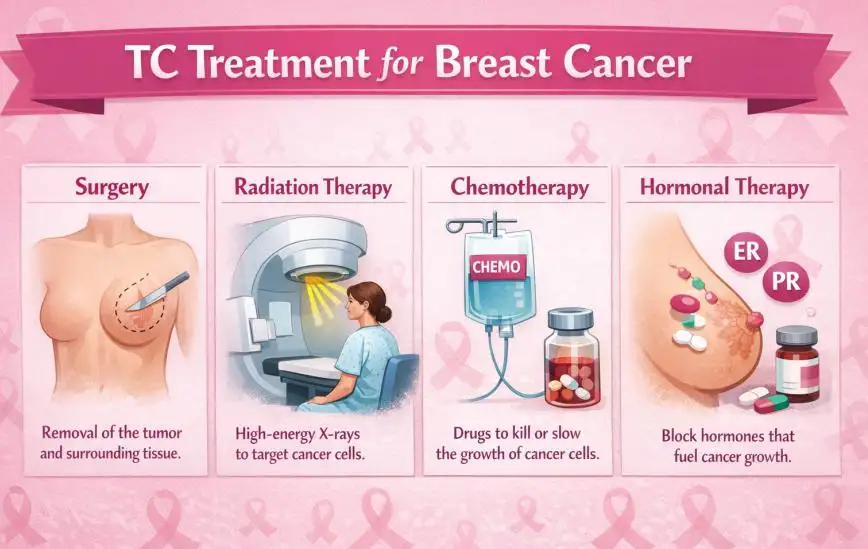
Local Treatments
-
Surgery (lumpectomy or mastectomy)
-
Radiation therapy
Systemic Treatments
-
Chemotherapy
-
Hormone therapy
-
Targeted therapy
-
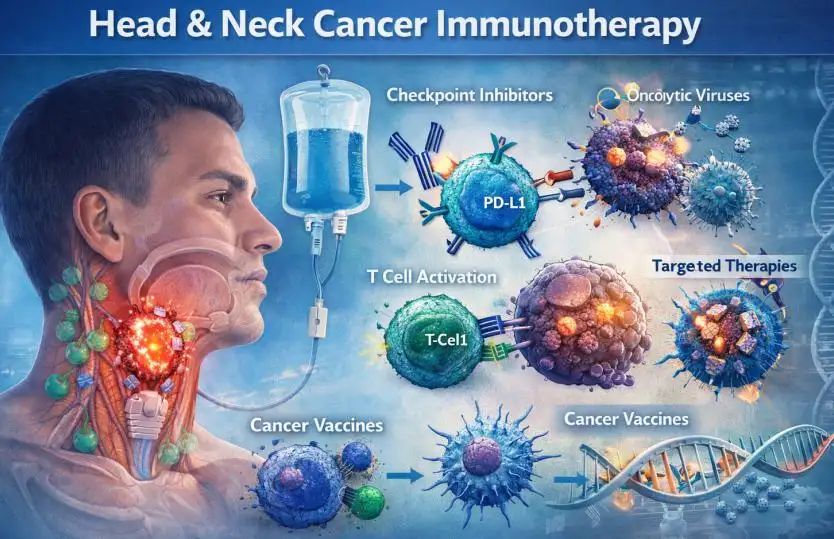
Immunotherapy
Systemic treatments are particularly important when breast cancer affects multiple body systems, as they circulate throughout the body to eliminate cancer cells.
Treatment Comparison Table
| Treatment Type | Purpose | Systemic or Local |
|---|---|---|
| Surgery | Remove tumor | Local |
| Radiation | Destroy local cancer cells | Local |
| Chemotherapy | Kill cancer throughout body | Systemic |
| Hormone Therapy | Block hormone-driven growth | Systemic |
| Targeted Therapy | Attack specific cancer proteins | Systemic |
| Immunotherapy | Boost immune response | Systemic |
Prevention and Lifestyle Recommendations
While not all cases are preventable, you can reduce risk through healthy lifestyle choices.
Recommended Strategies
-
Maintain a healthy weight
-
Exercise regularly
-
Limit alcohol intake
-
Avoid smoking
-
Breastfeed if possible
-
Attend regular screening appointments
Genetic counseling may be recommended for individuals with strong family histories.
Prognosis and Survival Rates
Prognosis depends on cancer stage and how many body systems are affected.
5-Year Survival Rates (Approximate)
| Stage | Survival Rate |
|---|---|
| Stage 0 | Nearly 100% |
| Stage I | ~99% |
| Stage II | ~93% |
| Stage III | ~72% |
| Stage IV | ~32% |
Early detection dramatically improves survival outcomes.
Latest Research and Innovations
Medical research continues to improve understanding of how breast cancer affects what body system and how to treat it more effectively.
Recent Advances
-
Personalized medicine based on genetic profiling
-
Advanced immunotherapy combinations
-
Liquid biopsies for early detection
-
Targeted HER2-low therapies
-
AI-assisted imaging analysis
These innovations are helping patients live longer with better quality of life.
Coping and Support for Patients
A breast cancer diagnosis affects emotional and psychological well-being in addition to physical health.
Support Options
-
Counseling and therapy
-
Support groups
-
Patient advocacy organizations
-
Nutritional guidance
-
Physical rehabilitation
Family involvement and mental health care play a crucial role in comprehensive recovery.
Conclusion
So, breast cancer affects what body system? It primarily begins in the reproductive system, specifically the breast tissue, but it can spread to the lymphatic, circulatory, skeletal, respiratory, digestive, and nervous systems. Understanding this progression helps you recognize symptoms early and seek timely treatment.
By staying informed, attending regular screenings, and adopting healthy lifestyle habits, you significantly improve your chances of early detection and positive outcomes. Knowledge is one of your strongest tools in the fight against breast cancer.
FAQ
1. Breast cancer affects what body system first?
Breast cancer first affects the reproductive system, specifically the mammary glands within the breast.
2. Can breast cancer spread to other body systems?
Yes. It can spread to the lymphatic system, bones, lungs, liver, and brain through metastasis.
3. Is breast cancer part of the immune system?
No, but it can interact with the immune system. Some treatments like immunotherapy enhance immune response against cancer cells.
4. How does breast cancer spread through the body?
Cancer cells travel through the bloodstream or lymphatic system to reach other organs.
5. Can early-stage breast cancer affect other organs?
Early-stage breast cancer is typically confined to the breast and nearby lymph nodes. Spread to distant organs usually occurs in advanced stages.