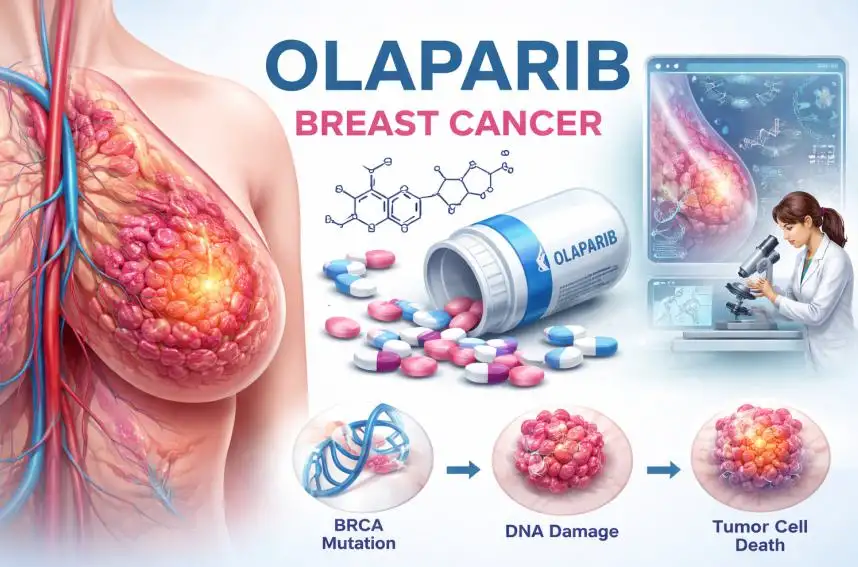
Breast Cancer in Men: Causes, Symptoms, Treatment, and Survival Rates

Breast cancer in men is a rare but serious condition that is often overlooked due to the widespread belief that breast cancer only affects women. Although men have significantly less breast tissue than women, they are still susceptible to developing breast cancer, and delayed awareness can lead to late diagnosis and poorer outcomes. Understanding this condition is crucial for early detection and effective treatment.
By learning about breast cancer in men, you empower yourself and others to recognize warning signs, seek timely medical care, and make informed health decisions. This comprehensive guide will walk you through everything you need to know, from causes and symptoms to the latest research and support options, using clear, accurate, and up-to-date information.
Overview of Breast Cancer in Men
Breast cancer in men occurs when malignant cells form in the breast tissue, usually behind the nipple and areola. Although it accounts for less than 1% of all breast cancer cases worldwide, its impact is significant because men are often diagnosed at a later stage.
Men of any age can develop this disease, but it is most commonly diagnosed between the ages of 60 and 70. Increased awareness, improved diagnostic tools, and better treatment strategies have significantly improved outcomes in recent years.
Types of Breast Cancer in Men
Several types of breast cancer can affect men, similar to those seen in women. The most common types are outlined below:
| Type of Breast Cancer | Description |
|---|---|
| Invasive Ductal Carcinoma (IDC) | The most common type, starting in the milk ducts and spreading to surrounding tissue |
| Ductal Carcinoma in Situ (DCIS) | Non-invasive cancer confined to the ducts |
| Invasive Lobular Carcinoma | Rare in men due to minimal lobular tissue |
| Paget’s Disease of the Nipple | A rare form affecting the skin of the nipple |
Causes and Risk Factors
The exact cause of breast cancer in men is not always clear, but several risk factors have been identified:
| Risk Factor | Explanation |
|---|---|
| Age | Risk increases significantly after age 50 |
| Genetic Mutations | BRCA1 and BRCA2 gene mutations increase risk |
| Family History | Having close relatives with breast cancer |
| Hormonal Imbalance | High estrogen levels due to obesity or liver disease |
| Radiation Exposure | Prior radiation therapy to the chest |
| Klinefelter Syndrome | A genetic condition affecting hormone levels |
Understanding these risk factors helps identify individuals who may benefit from increased screening or genetic counseling.
Symptoms and Early Warning Signs
Early detection of breast cancer in men can greatly improve treatment outcomes. Common symptoms include:
-
A painless lump or thickening in the breast
-
Changes in the nipple, such as redness, scaling, or inversion
-
Discharge from the nipple, sometimes bloody
-
Swelling or pain in the breast area
-
Enlarged lymph nodes under the arm
If you notice any of these signs, it is essential to consult a healthcare professional promptly.
Diagnosis
Diagnosing breast cancer in men typically involves a combination of clinical exams and diagnostic tests:
| Diagnostic Method | Purpose |
|---|---|
| Physical Examination | Detects lumps or visible changes |
| Mammography | Identifies abnormal breast tissue |
| Ultrasound | Differentiates solid masses from cysts |
| Biopsy | Confirms the presence of cancer cells |
| Genetic Testing | Detects inherited mutations |
Accurate diagnosis allows doctors to determine the cancer stage and tailor the most effective treatment plan.
Treatment Options
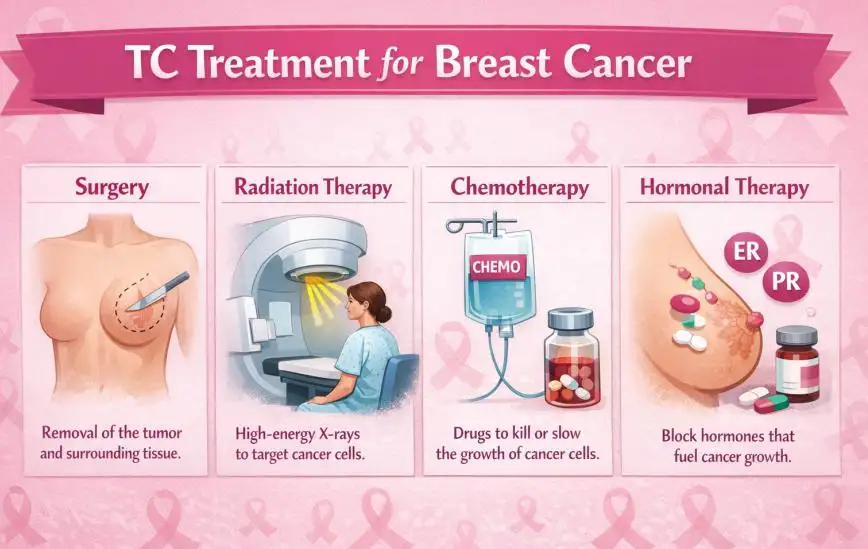
Treatment for breast cancer in men depends on the cancer type, stage, and overall health of the patient. Common treatment options include:
-
Surgery: Mastectomy is the most common surgical approach
-
Radiation Therapy: Destroys remaining cancer cells after surgery
-
Chemotherapy: Uses drugs to kill cancer cells throughout the body
-
Hormone Therapy: Effective for hormone receptor-positive cancers
-
Targeted Therapy: Focuses on specific cancer cell markers
Most patients receive a combination of these treatments for optimal results.
Prevention and Lifestyle Recommendations
While not all cases can be prevented, adopting healthy habits can reduce the risk of breast cancer in men:
-
Maintain a healthy weight
-
Limit alcohol consumption
-
Exercise regularly
-
Avoid unnecessary exposure to radiation
-
Seek genetic counseling if you have a family history of breast cancer
Proactive lifestyle choices play a significant role in overall cancer prevention.
Prognosis and Survival Rates
The prognosis for breast cancer in men largely depends on the stage at diagnosis. When detected early, survival rates are favorable.
| Stage | Approximate 5-Year Survival Rate |
|---|---|
| Stage I | Over 95% |
| Stage II | Around 85% |
| Stage III | Approximately 60% |
| Stage IV | About 20% |
Early detection remains the most important factor influencing survival outcomes.
Latest Research and Innovations
Recent advancements in breast cancer research have led to improved treatment outcomes for men. Innovations include:
-
Personalized medicine based on genetic profiling
-
Improved hormone therapies with fewer side effects
-
Advances in immunotherapy
-
Enhanced imaging techniques for earlier detection
Ongoing clinical trials continue to explore more effective and less invasive treatments.
Coping and Support for Patients
A diagnosis of breast cancer in men can be emotionally challenging. Support systems are essential for mental and emotional well-being:
-
Join cancer support groups, including those specific to men
-
Seek counseling or therapy
-
Involve family and friends in your care journey
-
Access educational resources to better understand your condition
You are not alone, and help is available at every step.
Conclusion
Breast cancer in men may be rare, but it is a serious and treatable condition when detected early. Increased awareness, timely diagnosis, and modern treatment options have significantly improved survival rates. By understanding risk factors, recognizing symptoms, and adopting healthy lifestyle choices, you can take proactive steps toward better health.
Staying informed empowers you to act early, seek appropriate care, and support others who may be facing this condition.
FAQ
1. Is breast cancer in men common?
Breast cancer in men is rare, accounting for less than 1% of all breast cancer cases, but awareness is increasing.
2. Can men survive breast cancer?
Yes, especially when diagnosed early. Survival rates are high for early-stage breast cancer in men.
3. What is the most common symptom?
A painless lump in the breast area is the most common early symptom.
4. Do men need regular breast cancer screening?
Routine screening is not recommended for all men, but those with high-risk factors should consult their doctor.
5. Can lifestyle changes reduce the risk?
Yes, maintaining a healthy weight, exercising, and limiting alcohol intake can help reduce risk.