Can Bronchiectasis Lead to Lung Cancer? Understanding the Link, Risks, and Prevention
Can bronchiectasis lead to lung cancer? This is a question many patients and caregivers ask after receiving a diagnosis of bronchiectasis. Living with a chronic lung condition can already feel overwhelming, and concerns about long-term complications, especially cancer, are completely understandable.
In this comprehensive guide, we will explore whether bronchiectasis increases the risk of lung cancer, how the two conditions may be connected, and what you can do to protect your lung health. By understanding the causes, symptoms, diagnostic tools, and treatment options, you will be better equipped to make informed decisions about your respiratory care.
Overview
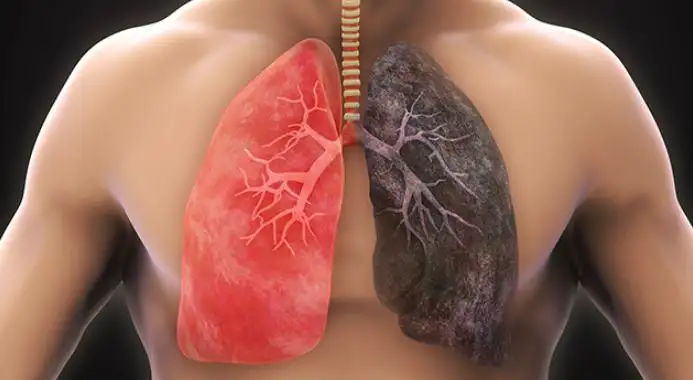
Bronchiectasis is a chronic condition characterized by permanent widening and damage of the bronchial tubes. This damage leads to mucus buildup, frequent infections, and ongoing inflammation in the lungs.
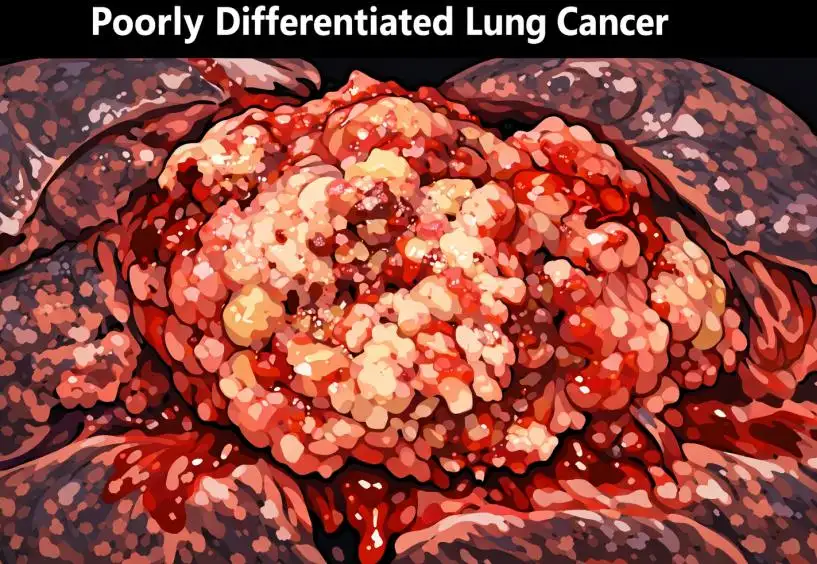
Lung cancer, on the other hand, involves the uncontrolled growth of abnormal cells within lung tissue. The most common types include non-small cell lung cancer (NSCLC) and small cell lung cancer (SCLC).
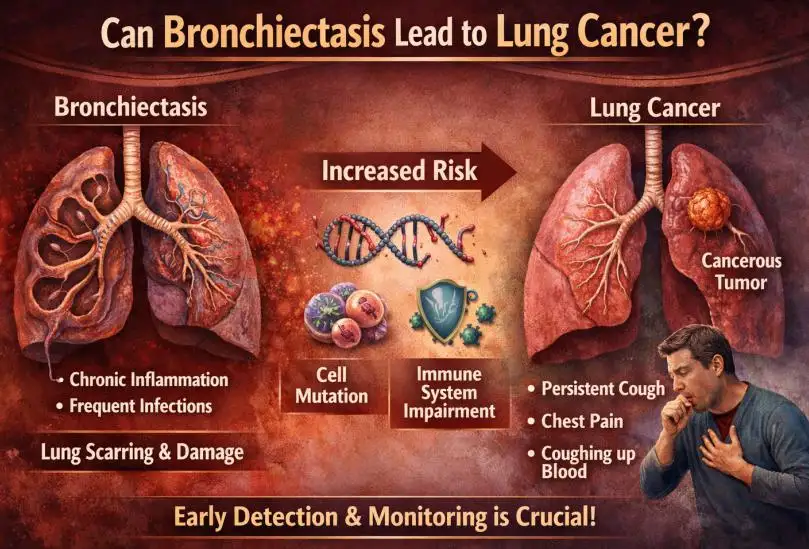
So, can bronchiectasis lead to lung cancer? While bronchiectasis itself does not directly “turn into” cancer, chronic inflammation and repeated infections may increase the risk of developing lung cancer over time. Research suggests that long-standing inflammatory lung diseases may contribute to cellular changes that raise cancer susceptibility.
Types
Types of Bronchiectasis
Bronchiectasis can be categorized based on its underlying cause or pattern:
| Type | Description |
|---|---|
| Post-infectious bronchiectasis | Develops after severe lung infections |
| Congenital bronchiectasis | Present from birth due to genetic conditions |
| Obstructive bronchiectasis | Caused by airway blockages |
| Idiopathic bronchiectasis | No identifiable cause |
Types of Lung Cancer
| Type | Characteristics |
|---|---|
| Non-Small Cell Lung Cancer (NSCLC) | Most common type; slower growing |
| Small Cell Lung Cancer (SCLC) | Aggressive and rapidly spreading |
| Adenocarcinoma | Often seen in non-smokers |
| Squamous Cell Carcinoma | Linked strongly to smoking |
Understanding the types helps clarify how chronic airway damage could potentially create a favorable environment for malignant transformation.
Causes and Risk Factors
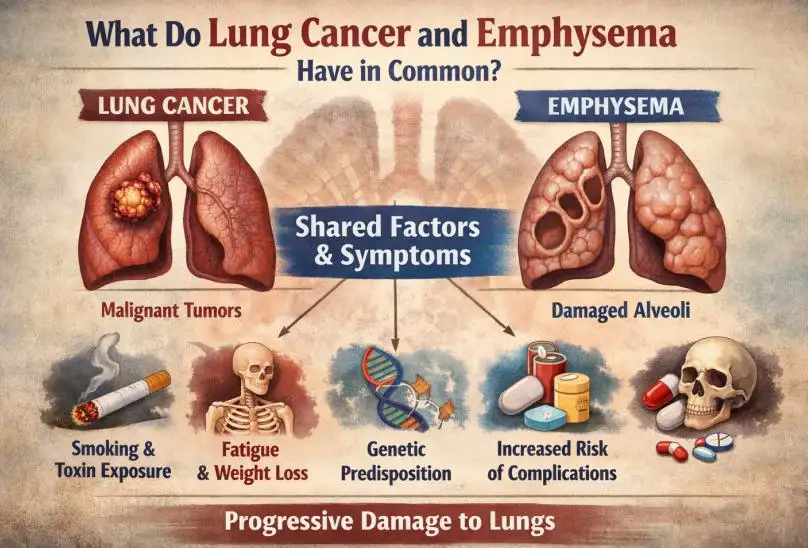
To answer “can bronchiectasis lead to lung cancer” more precisely, we must look at shared risk factors and biological mechanisms.
Shared Risk Factors
| Risk Factor | Bronchiectasis | Lung Cancer |
|---|---|---|
| Smoking | May worsen condition | Major risk factor |
| Chronic inflammation | Core feature | Contributes to cancer development |
| Recurrent infections | Common | May increase mutation risk |
| Environmental toxins | Possible trigger | Known carcinogens |
| Genetic predisposition | In some cases | Possible |
Chronic inflammation is the key link. Persistent inflammation may cause DNA damage in lung cells. Over time, this damage can potentially lead to abnormal cell growth.
However, smoking remains the most significant risk factor for lung cancer, even in patients with bronchiectasis.
Symptoms and Early Warning Signs
Bronchiectasis symptoms include:
-
Chronic productive cough
-
Thick mucus production
-
Frequent chest infections
-
Shortness of breath
-
Fatigue
Lung cancer symptoms may overlap, which makes early detection challenging:
-
Persistent cough that changes in pattern
-
Coughing up blood (hemoptysis)
-
Unexplained weight loss
-
Chest pain
-
Worsening shortness of breath
If you have bronchiectasis and notice new or worsening symptoms, especially blood in sputum or unexplained weight loss, it is essential to seek medical evaluation promptly.
Diagnosis
Early diagnosis plays a crucial role in both bronchiectasis management and lung cancer detection.
Diagnostic Tools
| Test | Purpose |
|---|---|
| High-Resolution CT (HRCT) | Confirms bronchiectasis |
| Chest X-ray | Detects masses or abnormalities |
| PET scan | Identifies cancer spread |
| Bronchoscopy | Examines airway tissue |
| Biopsy | Confirms lung cancer diagnosis |
| Sputum cytology | Detects abnormal cells |
Patients with long-standing bronchiectasis may require regular imaging to monitor structural changes and rule out malignancy.
Treatment Options
Treatment differs depending on whether a patient has bronchiectasis alone or develops lung cancer.
Bronchiectasis Treatment
-
Airway clearance techniques
-
Inhaled bronchodilators
-
Antibiotics for infections
-
Anti-inflammatory therapies
-
Pulmonary rehabilitation
Lung Cancer Treatment
-
Surgery (for early-stage tumors)
-
Chemotherapy
-
Radiation therapy
-
Targeted therapy
-
Immunotherapy
If both conditions coexist, treatment must be carefully coordinated by pulmonologists and oncologists to preserve lung function while targeting cancer cells.
Prevention and Lifestyle Recommendations
Although bronchiectasis cannot always be reversed, you can reduce your risk of complications.
Key Preventive Steps
-
Quit smoking immediately
-
Avoid exposure to pollutants and toxins
-
Stay up to date with vaccinations (influenza and pneumonia)
-
Practice regular airway clearance
-
Maintain a balanced diet rich in antioxidants
-
Exercise regularly under medical guidance
Lifestyle improvements significantly reduce inflammation and enhance immune defense, potentially lowering cancer risk.
Prognosis and Survival Rates
Bronchiectasis itself is a manageable chronic condition, especially with proper treatment. The prognosis largely depends on infection control and lung function preservation.
Lung cancer survival rates vary depending on stage:
| Stage | 5-Year Survival Rate (Approximate) |
|---|---|
| Localized | 60–65% |
| Regional spread | 30–35% |
| Distant metastasis | 5–10% |
If lung cancer develops in a patient with bronchiectasis, the overall prognosis may depend on baseline lung health and early detection.
Latest Research and Innovations
Recent studies are exploring the inflammation-cancer connection in chronic respiratory diseases. Researchers are investigating:
-
Anti-inflammatory biologic therapies
-
Early detection biomarkers
-
AI-enhanced imaging analysis
-
Targeted therapies specific to inflammation-driven cancers
Ongoing research aims to better understand whether bronchiectasis directly contributes to cancer development or simply shares risk factors.
Coping and Support for Patients
Living with bronchiectasis, or facing the possibility of lung cancer, can be emotionally challenging. You are not alone in this journey.
Consider:
-
Joining respiratory support groups
-
Seeking counseling or mental health support
-
Working closely with a multidisciplinary care team
-
Engaging family members in your care plan
Strong social support improves treatment adherence and overall quality of life.
Conclusion
So, can bronchiectasis lead to lung cancer? The answer is nuanced. Bronchiectasis does not directly transform into lung cancer, but chronic inflammation and recurrent infections may increase the risk over time, especially when combined with smoking or environmental exposure.
By managing inflammation, avoiding risk factors, and staying vigilant about new symptoms, you can significantly reduce potential complications. Regular monitoring and early intervention remain your strongest defenses against serious outcomes.
If you live with bronchiectasis, proactive lung care is the key to long-term health.
FAQ
1. Can bronchiectasis turn into lung cancer?
Bronchiectasis does not directly turn into cancer. However, long-term inflammation may increase the risk of cellular changes associated with lung cancer.
2. Is lung cancer common in people with bronchiectasis?
It is not extremely common, but some studies suggest a slightly increased risk compared to the general population.
3. Should bronchiectasis patients get regular cancer screening?
Patients with additional risk factors, such as smoking, should discuss low-dose CT screening with their doctor.
4. What is the biggest risk factor for lung cancer?
Smoking remains the leading cause of lung cancer worldwide.
5. Can controlling bronchiectasis lower cancer risk?
Yes. Effective infection control and inflammation management may reduce long-term complications and potential cancer risk.