Does Bronchiectasis Cause Lung Cancer? Understanding the Link, Risks, and What You Should Know
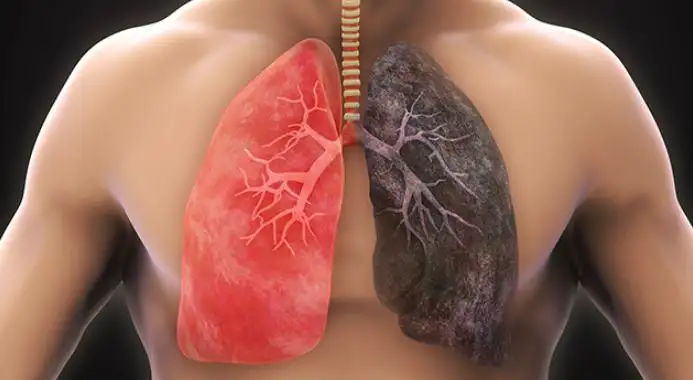
Does bronchiectasis cause lung cancer? This is a question many patients and families ask after receiving a diagnosis of chronic lung disease. Bronchiectasis is a long-term condition characterized by permanently widened airways, recurrent infections, and persistent inflammation. Because chronic inflammation is often associated with cancer risk, it’s natural to wonder whether bronchiectasis directly leads to lung cancer.
The short answer is that bronchiectasis does not directly cause lung cancer. However, research suggests there may be an association between chronic inflammatory lung conditions and a higher risk of developing lung malignancies. In this comprehensive guide, we will explore the connection in detail, including causes, risk factors, symptoms, diagnosis, treatment options, and the latest scientific findings.
Overview
Bronchiectasis is a chronic respiratory condition in which the bronchial tubes become permanently dilated and damaged. This damage interferes with the lungs’ ability to clear mucus effectively, leading to recurrent infections and inflammation.
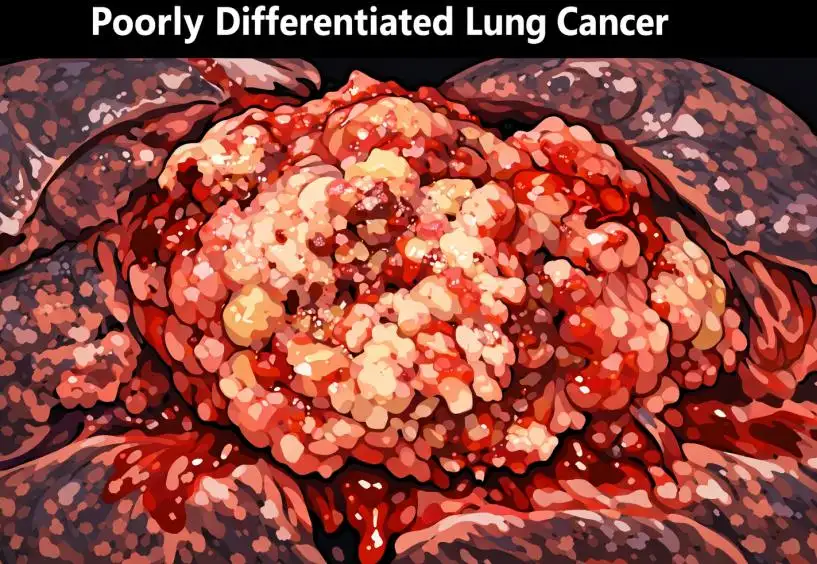
Lung cancer, on the other hand, is a malignant growth of abnormal cells within lung tissue. The most common types are:
-
Non-small cell lung cancer
-
Small cell lung cancer
While bronchiectasis itself is not classified as a precancerous condition, chronic inflammation and repeated infections may create an environment that increases cancer susceptibility over time. This does not mean everyone with bronchiectasis will develop lung cancer, but careful monitoring is important.
Types
Types of Bronchiectasis
Bronchiectasis can be categorized based on cause or structural pattern:
| Type | Description |
|---|---|
| Cylindrical | Mild widening of airways without severe distortion |
| Varicose | Irregular airway dilation resembling varicose veins |
| Cystic | Severe, ballooned airways with sac-like structures |
Bronchiectasis may also be classified as focal (localized) or diffuse (affecting multiple lobes).
Types of Lung Cancer
| Type | Characteristics |
|---|---|
| Adenocarcinoma | Most common, especially in non-smokers |
| Squamous Cell Carcinoma | Often linked to smoking |
| Small Cell Lung Cancer | Aggressive and rapidly spreading |
Understanding these types helps clarify that bronchiectasis and lung cancer are distinct conditions, though they may coexist in rare cases.
Causes and Risk Factors
Causes of Bronchiectasis
Bronchiectasis can develop due to:
-
Severe or repeated lung infections
-
Immune system disorders
-
Genetic conditions such as Cystic fibrosis
-
Autoimmune diseases
-
Airway obstruction
Risk Factors for Lung Cancer
The primary risk factors for lung cancer include:
-
Smoking (active or passive exposure)
-
Exposure to radon gas
-
Occupational exposure to asbestos or chemicals
-
Family history of lung cancer
-
Chronic inflammatory lung diseases
Here’s where the connection becomes relevant. Chronic inflammation in bronchiectasis may slightly increase the risk of malignant transformation, particularly in patients who also smoke or have additional risk factors.
Symptoms and Early Warning Signs
Bronchiectasis symptoms include:
-
Persistent productive cough
-
Thick mucus production
-
Recurrent chest infections
-
Shortness of breath
-
Fatigue
Lung cancer symptoms may include:
-
Persistent cough that worsens
-
Coughing up blood
-
Chest pain
-
Unexplained weight loss
-
Hoarseness
If you have bronchiectasis and notice new or worsening symptoms, especially hemoptysis (coughing blood), you should seek medical evaluation promptly.
Diagnosis
Diagnosing bronchiectasis typically involves:
-
High-resolution CT (HRCT) scan
-
Sputum culture
-
Pulmonary function tests
Lung cancer diagnosis may include:
-
Chest X-ray
-
CT scan
-
PET scan
-
Biopsy
Because imaging studies are routinely performed in bronchiectasis patients, suspicious changes may sometimes be detected early. This underscores the importance of regular follow-up.
Treatment Options
Treatment for Bronchiectasis
-
Airway clearance techniques
-
Antibiotics for infections
-
Bronchodilators
-
Anti-inflammatory medications
-
Vaccinations
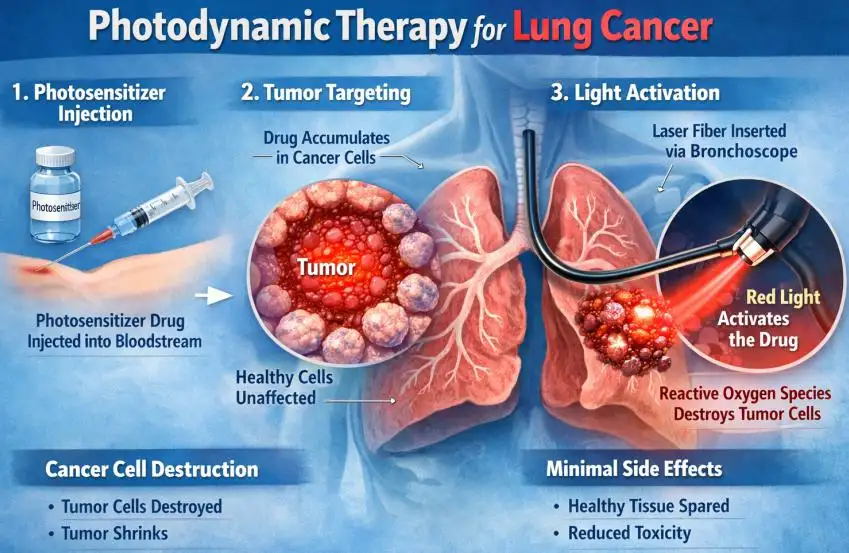
Treatment for Lung Cancer
Treatment depends on cancer type and stage:
| Stage | Treatment Approach |
|---|---|
| Early-stage | Surgery |
| Locally advanced | Chemotherapy + Radiation |
| Advanced/metastatic | Targeted therapy, Immunotherapy |
Early detection significantly improves outcomes.
Prevention and Lifestyle Recommendations
While bronchiectasis cannot always be prevented, you can reduce complications and potential cancer risk by:
-
Quitting smoking immediately
-
Receiving influenza and pneumococcal vaccines
-
Practicing good airway hygiene
-
Managing infections promptly
-
Maintaining a healthy diet and exercise routine
If you are asking, “Does bronchiectasis cause lung cancer?” the most important preventive action is eliminating additional risk factors such as tobacco exposure.
Prognosis and Survival Rates
Bronchiectasis prognosis varies depending on severity and infection frequency. With proper management, many patients live full lives.
Lung cancer prognosis depends heavily on stage at diagnosis:
| Stage | 5-Year Survival Rate (Approximate) |
|---|---|
| Localized | 60–65% |
| Regional | 30–35% |
| Distant | 5–10% |
Patients with bronchiectasis who undergo regular imaging may benefit from earlier detection if cancer develops.
Latest Research and Innovations
Recent studies suggest chronic inflammation may influence carcinogenesis through:
-
Oxidative stress
-
DNA damage
-
Repeated epithelial injury
Emerging research is exploring biomarkers that may identify bronchiectasis patients at higher cancer risk. Advances in immunotherapy and precision medicine are also improving lung cancer survival rates.
Scientists continue investigating whether the relationship between bronchiectasis and lung cancer is causal or simply associated through shared risk factors like smoking and environmental exposure.
Coping and Support for Patients
Living with bronchiectasis can be physically and emotionally challenging. Anxiety about cancer risk may add to stress. Consider:
-
Joining pulmonary rehabilitation programs
-
Seeking counseling or support groups
-
Building a multidisciplinary care team
-
Staying informed about your condition
Proactive management empowers you and reduces uncertainty.
Conclusion
So, does bronchiectasis cause lung cancer? Current evidence indicates that bronchiectasis does not directly cause lung cancer. However, chronic inflammation and overlapping risk factors may contribute to a slightly increased risk in some individuals. The key is vigilant monitoring, smoking cessation, and regular medical follow-up.
If you live with bronchiectasis, stay proactive about your lung health. Early detection and lifestyle changes make a significant difference in long-term outcomes.
FAQ
1. Does bronchiectasis cause lung cancer directly?
No, bronchiectasis does not directly cause lung cancer. However, chronic inflammation may slightly increase risk in certain patients.
2. Should bronchiectasis patients undergo cancer screening?
If additional risk factors such as smoking are present, doctors may recommend low-dose CT screening.
3. Is coughing up blood always a sign of cancer?
Not necessarily. Hemoptysis can occur in bronchiectasis, but it should always be evaluated by a doctor.
4. Can quitting smoking reduce cancer risk in bronchiectasis?
Yes. Smoking cessation significantly reduces lung cancer risk and improves overall lung health.
5. Is bronchiectasis considered a precancerous condition?
No, bronchiectasis is not classified as a precancerous condition, but ongoing research continues to explore the association.