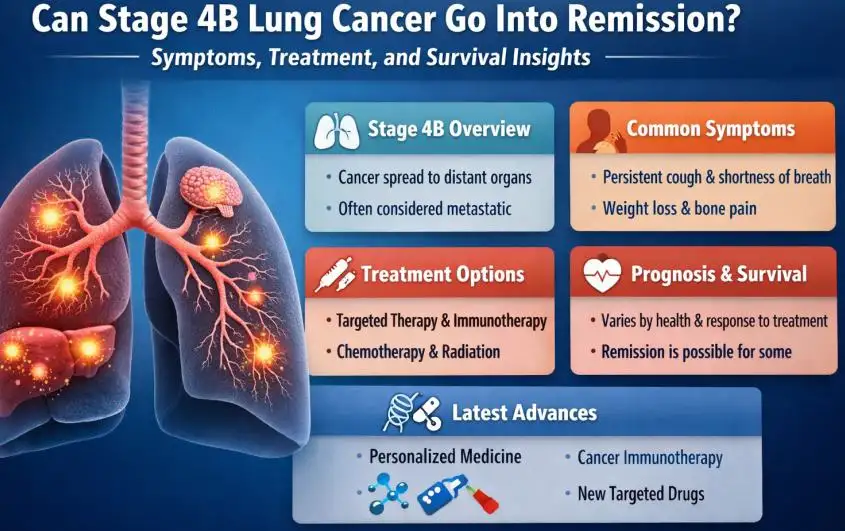
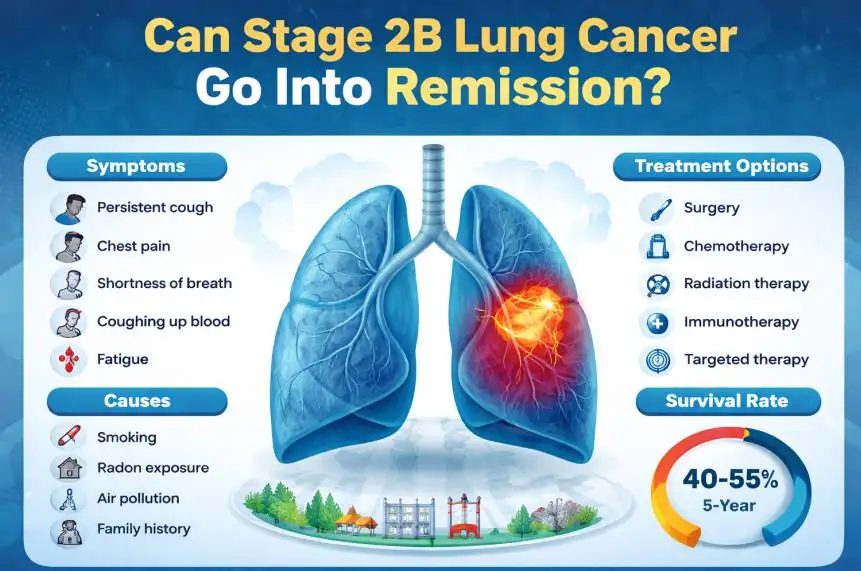
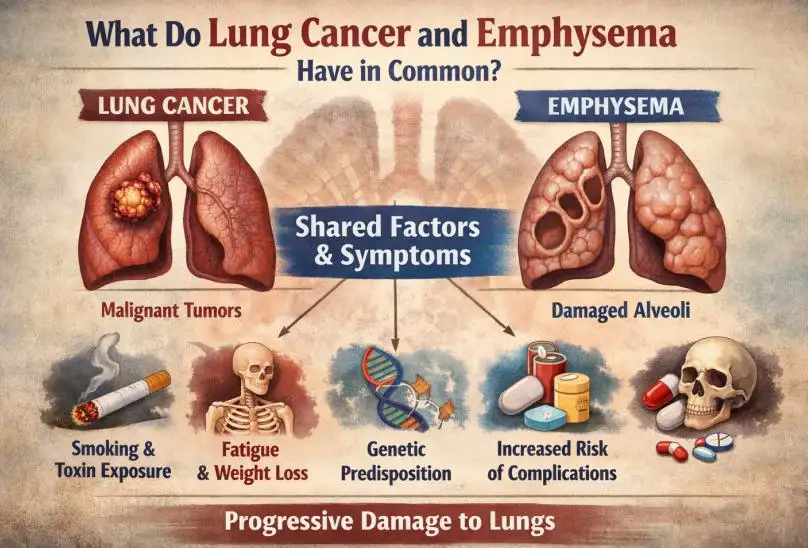
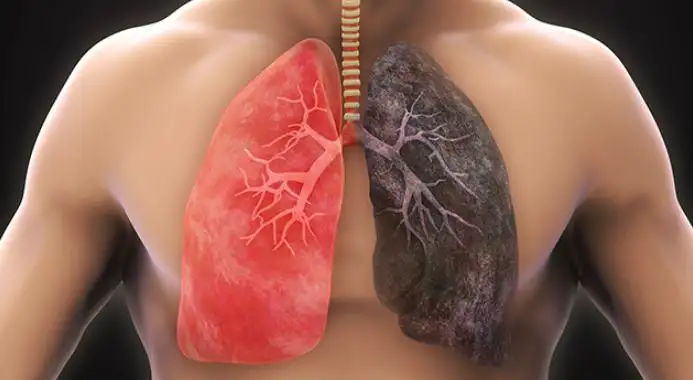
Can Stage 1B Lung Cancer Go into Remission? Early Detection, Treatment Options, and Survival Outlook
Lung cancer is one of the most commonly diagnosed cancers worldwide, but when detected early, the outlook can be significantly more hopeful. Many patients and their families ask an important question: can Stage 1B lung cancer go into remission? Understanding the answer involves learning about early-stage lung cancer, treatment possibilities, and how modern medicine continues to improve outcomes.
Stage 1B lung cancer is considered an early stage of the disease, meaning the tumor is still confined to the lung and has not spread to nearby lymph nodes or distant organs. Because of this limited spread, treatment can often be more effective. In many cases, patients can achieve remission, especially when the condition is diagnosed early and treated promptly.
Overview
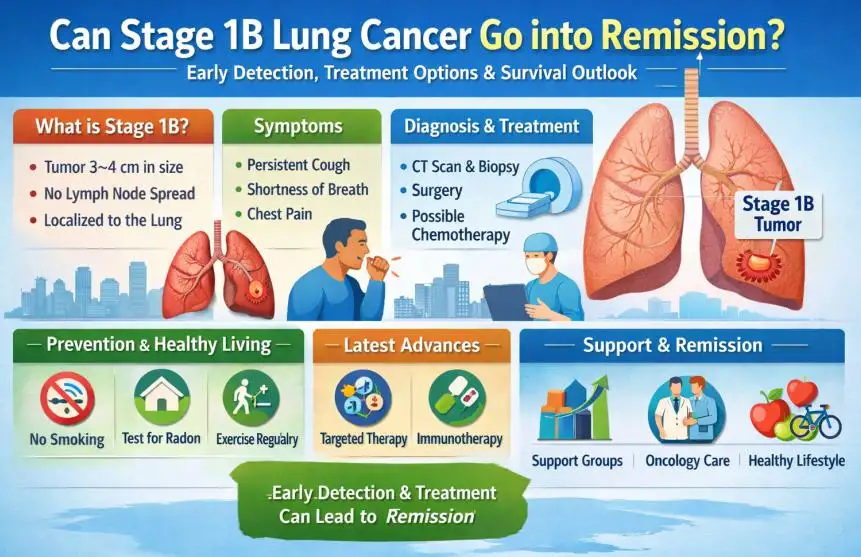
Stage 1B lung cancer falls under non-small cell lung cancer (NSCLC) staging in most cases. At this stage, the tumor is usually between 3 and 4 centimeters in size but has not spread to lymph nodes.
Remission refers to a period in which cancer signs and symptoms are reduced or disappear. Remission may be partial or complete, and in some cases, patients remain cancer-free for many years.
Key characteristics of Stage 1B lung cancer include:
| Feature | Description |
|---|---|
| Tumor Size | Usually 3–4 cm |
| Lymph Node Involvement | None |
| Metastasis | No distant spread |
| Typical Treatment | Surgery with or without additional therapy |
Because the cancer is still localized, treatment success rates are generally higher than in later stages.
Types
Lung cancer is broadly categorized into two main types, and Stage 1B usually belongs to the first category.
| Type | Description |
|---|---|
| Non-Small Cell Lung Cancer (NSCLC) | Accounts for about 85% of lung cancers and often includes Stage 1B cases |
| Small Cell Lung Cancer (SCLC) | Less common but more aggressive and rarely diagnosed at Stage 1 |
Common subtypes of NSCLC include:
-
Adenocarcinoma
-
Squamous cell carcinoma
-
Large cell carcinoma
Each subtype may respond differently to treatment, which influences remission chances.
Causes and Risk Factors
While anyone can develop lung cancer, certain factors significantly increase the risk.
| Risk Factor | Explanation |
|---|---|
| Smoking | The leading cause of lung cancer |
| Secondhand Smoke | Long-term exposure increases risk |
| Radon Gas | A naturally occurring radioactive gas found in homes |
| Air Pollution | Long-term exposure to polluted environments |
| Genetic Factors | Family history of lung cancer |
| Occupational Exposure | Exposure to asbestos, arsenic, or diesel fumes |
Even individuals who have never smoked may develop lung cancer due to environmental or genetic influences.
Symptoms and Early Warning Signs
One challenge with early-stage lung cancer is that symptoms may be mild or absent. However, some warning signs can still occur.
Common symptoms include:
-
Persistent cough
-
Chest discomfort
-
Shortness of breath
-
Hoarseness
-
Fatigue
-
Unexplained weight loss
Because symptoms may be subtle, regular health screenings for high-risk individuals are essential for early detection.
Diagnosis
Diagnosing Stage 1B lung cancer involves a combination of imaging tests and tissue analysis.
| Diagnostic Method | Purpose |
|---|---|
| CT Scan | Detects small lung tumors |
| Chest X-ray | Initial imaging test |
| PET Scan | Determines if cancer has spread |
| Biopsy | Confirms cancer cells |
| Bronchoscopy | Examines airways and collects samples |
Early and accurate diagnosis helps doctors determine the most effective treatment plan.
Treatment Options
Treatment for Stage 1B lung cancer is often highly effective, and many patients achieve remission.
| Treatment | Description |
|---|---|
| Surgery | Removal of the tumor and part of the lung |
| Lobectomy | Removal of an entire lung lobe |
| Segmentectomy or Wedge Resection | Removal of a smaller portion of lung tissue |
| Chemotherapy | May be used after surgery to reduce recurrence risk |
| Targeted Therapy | Used when specific genetic mutations are present |
| Immunotherapy | Helps the immune system fight cancer |
Surgery remains the primary treatment for most Stage 1B lung cancer patients.
Prevention and Lifestyle Recommendations
Although not all cases can be prevented, certain lifestyle changes can significantly reduce risk and support recovery.
Key prevention strategies include:
-
Avoid smoking or quit if you currently smoke
-
Reduce exposure to secondhand smoke
-
Test homes for radon gas
-
Maintain a balanced diet rich in fruits and vegetables
-
Exercise regularly
-
Attend routine medical checkups
Healthy habits also help strengthen the immune system during recovery.
Prognosis and Survival Rates
The prognosis for Stage 1B lung cancer is generally favorable compared to more advanced stages.
| Stage | Estimated 5-Year Survival Rate |
|---|---|
| Stage 1A | About 80–90% |
| Stage 1B | About 65–75% |
These statistics vary depending on factors such as:
-
Age and overall health
-
Tumor size
-
Treatment response
-
Cancer subtype
Many patients who receive early treatment may live long, healthy lives after remission.
Latest Research and Innovations
Medical research continues to improve outcomes for lung cancer patients.
Recent advancements include:
-
Precision medicine and genetic testing
-
Next-generation targeted therapies
-
Immunotherapy combinations
-
Minimally invasive surgical techniques
-
Advanced imaging for earlier detection
Clinical trials are also exploring new drugs designed to prevent cancer recurrence after surgery.
Coping and Support for Patients
A lung cancer diagnosis can be emotionally challenging, but support systems play a crucial role in recovery.
Helpful coping strategies include:
-
Joining cancer support groups
-
Speaking with oncology counselors
-
Practicing stress-reduction techniques such as meditation
-
Maintaining open communication with family and healthcare providers
-
Following recommended treatment plans carefully
Emotional resilience and a strong support network can greatly improve quality of life during treatment and recovery.
Conclusion
So, can Stage 1B lung cancer go into remission? The answer is yes—many patients do achieve remission, especially when the disease is diagnosed early and treated promptly. Because Stage 1B lung cancer has not spread beyond the lung, treatments such as surgery, targeted therapy, and sometimes chemotherapy can be highly effective.
Early detection, healthy lifestyle choices, and advancements in modern medicine continue to improve survival rates and long-term outcomes. If you or a loved one are facing a diagnosis, working closely with healthcare professionals and staying informed about treatment options can make a significant difference in the journey toward remission and recovery.
FAQ
1. Can Stage 1B lung cancer be cured?
In many cases, Stage 1B lung cancer can be successfully treated with surgery, and some patients may remain cancer-free for many years, which is often considered a functional cure.
2. How long can someone live after Stage 1B lung cancer?
Many patients live 5 years or longer, especially when the cancer is removed surgically and detected early.
3. Is chemotherapy necessary for Stage 1B lung cancer?
Chemotherapy is sometimes recommended after surgery to reduce the risk of recurrence, but not all patients require it.
4. What is the difference between remission and cure?
Remission means that cancer signs and symptoms disappear or significantly decrease, while a cure means the cancer never returns.
5. What lifestyle changes help after lung cancer treatment?
Quitting smoking, eating a healthy diet, staying physically active, and attending regular follow-up appointments are essential for long-term health and recovery.