Poorly Differentiated Lung Cancer: Causes, Symptoms, Diagnosis, Treatment, and Prognosis Explained
Poorly differentiated lung cancer is a term that often raises concern because it describes an aggressive form of lung cancer where cancer cells appear very abnormal and lack the structural features of healthy lung cells. This poor differentiation usually indicates that the cancer grows and spreads faster than well-differentiated tumors, making early recognition and proper treatment especially important.
Understanding poorly differentiated lung cancer can help patients, caregivers, and families make informed decisions and feel more prepared when facing a diagnosis. In this article, we will explore what this condition means, its causes, symptoms, diagnostic process, treatment options, and what current research reveals about improving outcomes and quality of life.
Overview of Poorly Differentiated Lung Cancer
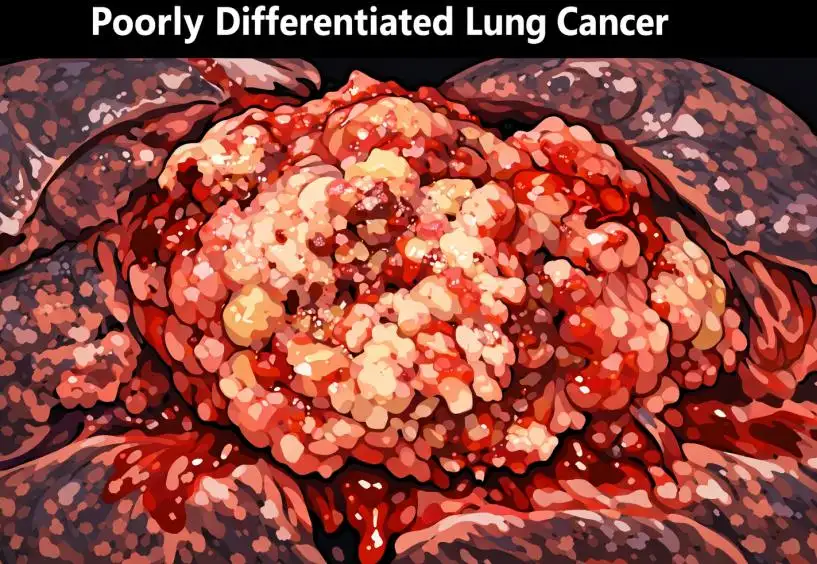
Poorly differentiated lung cancer refers to tumors in which cancer cells have lost most of the characteristics of normal lung tissue. Under a microscope, these cells look disorganized and immature, making it difficult to determine their exact cell of origin. This lack of differentiation is often associated with higher-grade tumors and a more aggressive clinical course.
This term is not a standalone diagnosis but a pathological description that can apply to different types of lung cancer. It provides important information about how the tumor may behave and helps guide treatment planning and prognosis assessment.
Types of Poorly Differentiated Lung Cancer
Poor differentiation can be seen across multiple lung cancer categories. The table below summarizes common types where poor differentiation may occur:
| Lung Cancer Type | Description | Typical Behavior |
|---|---|---|
| Non-small cell lung cancer (NSCLC) | Includes adenocarcinoma and squamous cell carcinoma | Variable, often aggressive when poorly differentiated |
| Small cell lung cancer (SCLC) | Highly aggressive neuroendocrine tumor | Rapid growth and early spread |
| Large cell carcinoma | Undifferentiated subtype of NSCLC | Fast-growing and high metastatic potential |
| Poorly differentiated carcinoma (NOS) | Cannot be clearly classified | Aggressive and challenging to treat |
Causes and Risk Factors
The development of poorly differentiated lung cancer is influenced by a combination of genetic and environmental factors. While differentiation status reflects tumor biology, many risk factors overlap with lung cancer in general.
Key causes and risk factors include:
-
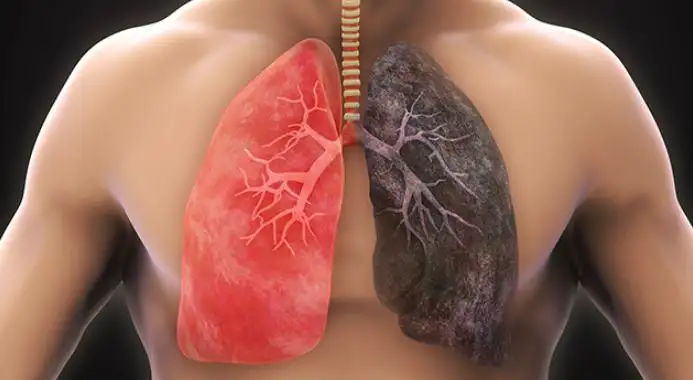
Long-term cigarette smoking and tobacco exposure
-
Secondhand smoke
-
Exposure to carcinogens such as asbestos, radon, and industrial chemicals
-
Air pollution and particulate matter
-
Genetic mutations and family history of lung cancer
-
Previous radiation therapy to the chest
Symptoms and Early Warning Signs
Symptoms of poorly differentiated lung cancer may appear earlier or progress faster due to its aggressive nature. However, early stages can still be subtle.
Common symptoms include:
-
Persistent cough or changes in an existing cough
-
Shortness of breath
-
Chest pain that worsens with deep breathing or coughing
-
Unexplained weight loss and fatigue
-
Coughing up blood
-
Recurrent lung infections such as pneumonia or bronchitis
Recognizing these early warning signs and seeking medical evaluation promptly can improve the chances of early diagnosis.
Diagnosis of Poorly Differentiated Lung Cancer
Diagnosis involves several steps aimed at identifying both the presence of cancer and its differentiation level. Pathological examination is essential.
The diagnostic process typically includes:
-
Imaging studies such as chest X-rays and CT scans
-
PET scans to detect metastasis
-
Bronchoscopy or image-guided biopsy
-
Histopathological examination to assess cell differentiation
-
Molecular and genetic testing to identify actionable mutations
Poor differentiation is confirmed when pathologists observe significant cellular abnormalities and lack of normal tissue structure.
Treatment Options
Treatment for poorly differentiated lung cancer depends on cancer type, stage, molecular features, and the patient’s overall health. Because these tumors tend to be aggressive, treatment often involves a multimodal approach.
| Treatment Option | Purpose |
|---|---|
| Surgery | Removal of localized tumors when feasible |
| Chemotherapy | Targets rapidly dividing cancer cells |
| Radiation therapy | Local control and symptom relief |
| Targeted therapy | Acts on specific genetic mutations |
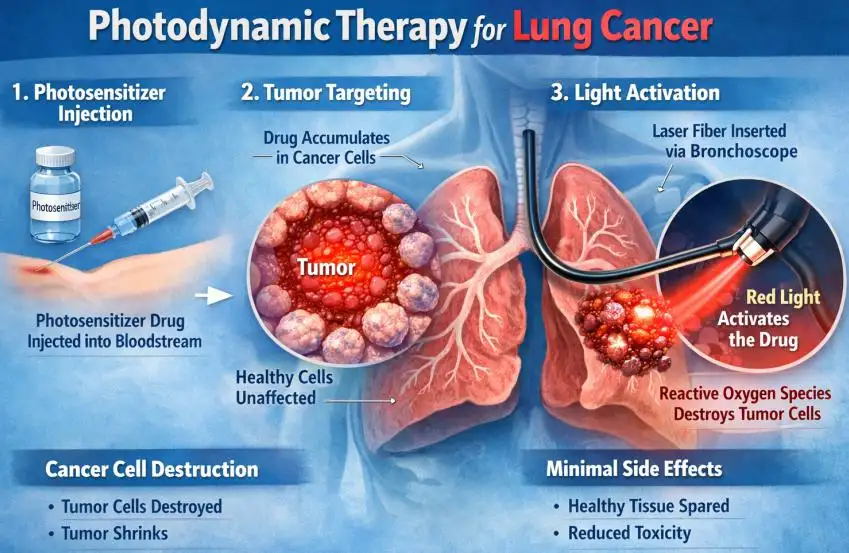
| Immunotherapy | Enhances the immune system’s response to cancer |
| Combination therapy | Improves effectiveness in advanced cases |
Early-stage disease may benefit from surgery followed by chemotherapy, while advanced disease often relies on systemic treatments.
Prevention and Lifestyle Recommendations
While not all cases can be prevented, reducing risk factors can significantly lower the likelihood of developing aggressive lung cancer.
Practical prevention strategies include:
-
Quitting smoking and avoiding tobacco products
-
Reducing exposure to environmental toxins
-
Testing homes for radon
-
Maintaining a healthy diet rich in antioxidants
-
Staying physically active
-
Participating in lung cancer screening programs if at high risk
Prognosis and Survival Rates
The prognosis of poorly differentiated lung cancer is generally less favorable compared to well-differentiated tumors due to rapid growth and early spread. Survival rates vary widely depending on cancer type, stage at diagnosis, and treatment response.
Early detection and access to advanced therapies can improve outcomes. Personalized treatment plans based on molecular testing are increasingly helping patients achieve longer survival and better quality of life.
Latest Research and Innovations
Ongoing research is transforming how poorly differentiated lung cancer is treated. Advances in immunotherapy, targeted therapies, and precision medicine are showing promising results, even in aggressive tumors.
Current innovations include:
-
Next-generation sequencing for personalized treatment
-
Combination immunotherapy strategies
-
Novel biomarkers for better prognosis prediction
-
AI-assisted pathology for improved tumor classification
Clinical trials continue to explore new drugs and treatment combinations that may significantly improve future outcomes.
Coping and Support for Patients
A diagnosis of poorly differentiated lung cancer can be emotionally overwhelming. Psychological support, education, and social resources play a crucial role in comprehensive care.
Patients may benefit from:
-
Counseling and mental health support
-
Patient support groups and cancer communities
-
Palliative care for symptom management
-
Clear communication with the healthcare team
-
Family and caregiver involvement in care planning
Addressing emotional well-being alongside medical treatment can improve overall quality of life.
Conclusion
Poorly differentiated lung cancer represents a more aggressive form of lung cancer that requires timely diagnosis and comprehensive treatment. Understanding its characteristics, treatment options, and prognosis empowers patients and caregivers to make informed decisions. With ongoing research and evolving therapies, there is growing hope for improved survival and better outcomes in the years ahead.
Frequently Asked Questions (FAQ)
1. What does poorly differentiated lung cancer mean?
It means the cancer cells look very abnormal and lack the features of normal lung cells, often indicating aggressive behavior.
2. Is poorly differentiated lung cancer more dangerous?
Yes, it is generally more aggressive and may spread faster than well-differentiated tumors.
3. Can poorly differentiated lung cancer be treated successfully?
Treatment success depends on stage, cancer type, and available therapies. Advances in immunotherapy and targeted treatments have improved outcomes.
4. How is poorly differentiated lung cancer diagnosed?
Diagnosis is made through biopsy and microscopic examination of tumor cells, along with imaging and molecular testing.
5. Can lifestyle changes improve prognosis?
While lifestyle changes cannot cure cancer, quitting smoking, maintaining good nutrition, and following medical advice can support treatment and overall health.