What Do Lung Cancer and Emphysema Have in Common? Key Similarities, Risks, and Treatment Insights
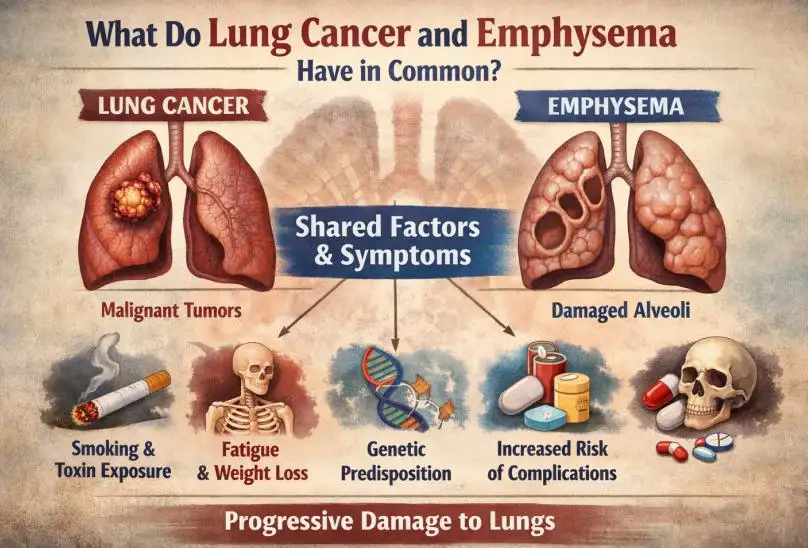
What do lung cancer and emphysema have in common? This is a question many people ask after receiving a diagnosis or learning about chronic lung diseases. Both conditions affect millions of individuals worldwide and significantly impact respiratory health, quality of life, and long-term survival.
Understanding what lung cancer and emphysema have in common can help you recognize early warning signs, reduce risk factors, and seek appropriate treatment sooner. Although they are distinct medical conditions, they share several overlapping causes, symptoms, and preventive strategies. In this comprehensive guide, we will explore their similarities and differences in detail.
Overview
To clearly answer the question, what do lung cancer and emphysema have in common, we must first understand each condition individually.
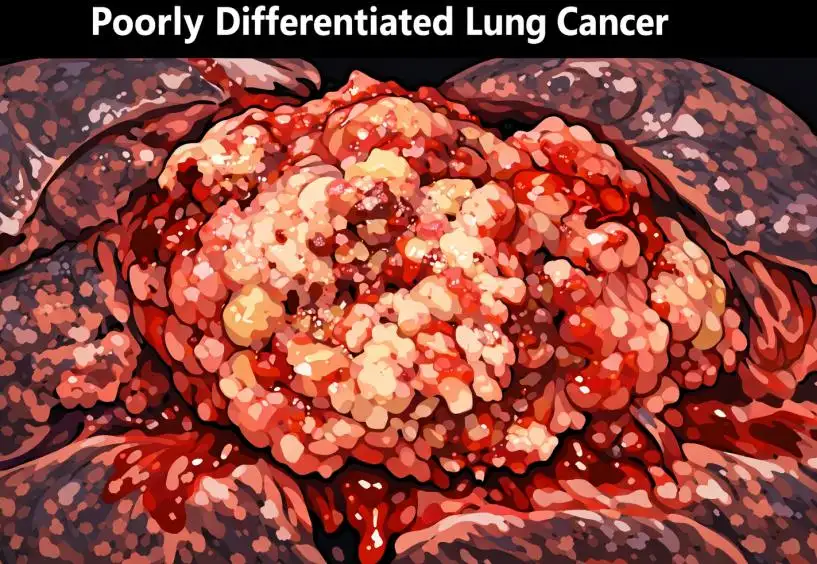
Lung cancer is a malignant disease characterized by uncontrolled growth of abnormal cells in the lungs. It is one of the leading causes of cancer-related deaths globally.
Emphysema, on the other hand, is a chronic lung condition and a major form of Chronic Obstructive Pulmonary Disease (COPD). It damages the air sacs (alveoli) in the lungs, reducing oxygen exchange and making breathing difficult.
Despite their differences, both conditions:
-
Primarily affect lung tissue
-
Share smoking as the most significant risk factor
-
Cause progressive breathing difficulties
-
Can coexist in the same patient
Types
Understanding the types of each condition further clarifies what lung cancer and emphysema have in common.
Types of Lung Cancer
| Type | Description | Prevalence |
|---|---|---|
| Non-Small Cell Lung Cancer (NSCLC) | Includes adenocarcinoma, squamous cell carcinoma, and large cell carcinoma | ~85% of cases |
| Small Cell Lung Cancer (SCLC) | Fast-growing and highly aggressive | ~15% of cases |
Types of Emphysema
| Type | Description | Common Location |
|---|---|---|
| Centrilobular Emphysema | Most common form, strongly linked to smoking | Upper lobes |
| Panlobular Emphysema | Often associated with genetic deficiency (alpha-1 antitrypsin) | Lower lobes |
| Paraseptal Emphysema | Associated with spontaneous lung collapse | Lung periphery |
Both diseases may affect specific lung regions and can be identified through imaging tests such as CT scans.
Causes and Risk Factors
One of the most critical answers to what do lung cancer and emphysema have in common lies in their shared risk factors.
Shared Risk Factors
| Risk Factor | Lung Cancer | Emphysema |
|---|---|---|
| Cigarette smoking | Major cause | Major cause |
| Secondhand smoke | Yes | Yes |
| Air pollution | Yes | Yes |
| Occupational exposure (asbestos, chemicals) | Yes | Yes |
| Genetic predisposition | Possible | Possible |
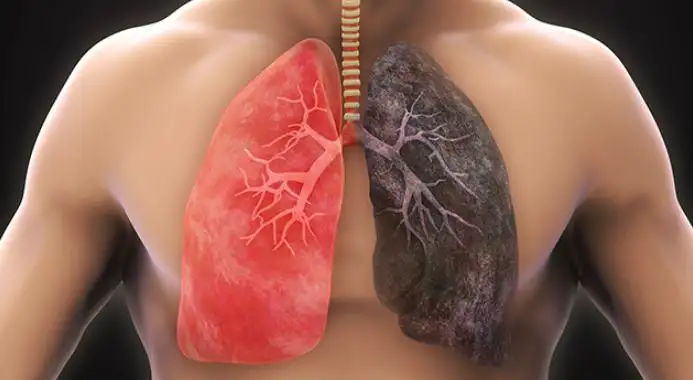
Smoking is the leading cause of both conditions. Long-term exposure to tobacco smoke damages lung tissue, promotes inflammation, and increases the likelihood of genetic mutations and alveolar destruction.
Chronic inflammation also plays a significant role in both diseases, contributing to tissue damage and abnormal cell growth.
Symptoms and Early Warning Signs
When exploring what lung cancer and emphysema have in common, symptom overlap is another key factor.
Shared Symptoms
-
Persistent cough
-
Shortness of breath
-
Wheezing
-
Chest tightness
-
Fatigue
Symptoms More Specific to Lung Cancer
-
Unexplained weight loss
-
Coughing up blood
-
Persistent chest pain
-
Hoarseness
Symptoms More Specific to Emphysema
-
Barrel-shaped chest
-
Prolonged exhalation
-
Severe breathlessness during activity
Because early symptoms can be subtle, many individuals delay seeking medical attention. Early detection greatly improves outcomes.
Diagnosis
Both lung cancer and emphysema require thorough medical evaluation.
Common Diagnostic Methods
| Test | Purpose |
|---|---|
| Chest X-ray | Initial imaging |
| CT Scan | Detailed lung imaging |
| Pulmonary Function Test (PFT) | Measures lung capacity (especially for emphysema) |
| Biopsy | Confirms lung cancer |
| Blood Tests | Evaluates overall health |
Low-dose CT screening is recommended for high-risk smokers to detect lung cancer early. Pulmonary function tests are particularly useful in diagnosing and monitoring emphysema.
Treatment Options
Although treatments differ, both diseases require a multidisciplinary approach.
Lung Cancer Treatment
-
Surgery
-
Chemotherapy
-
Radiation therapy
-
Targeted therapy
-
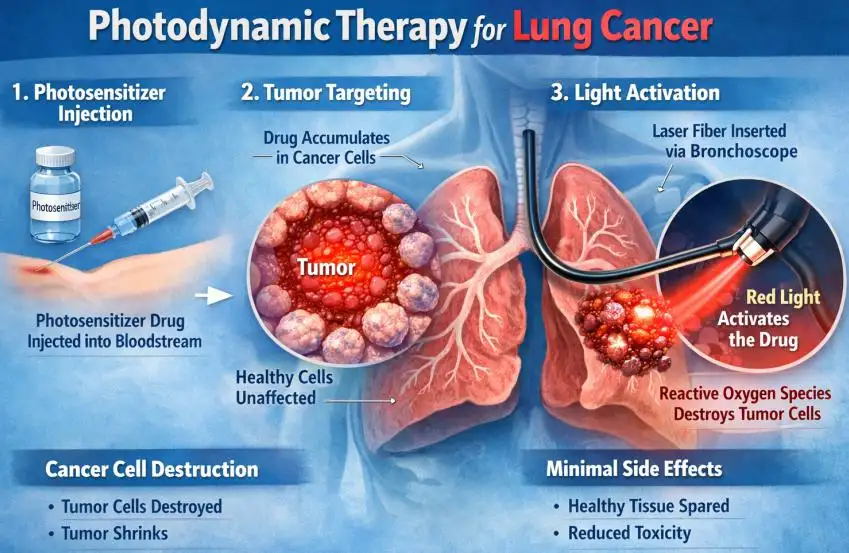
Immunotherapy
Emphysema Treatment
-
Smoking cessation
-
Bronchodilators
-
Corticosteroids
-
Oxygen therapy
-
Pulmonary rehabilitation
-
Lung volume reduction surgery (in severe cases)
When both conditions coexist, treatment plans must be carefully coordinated to protect lung function while managing cancer progression.
Prevention and Lifestyle Recommendations
If you’re wondering what lung cancer and emphysema have in common in terms of prevention, the answer is clear: many preventive strategies overlap.
Key Preventive Measures
-
Quit smoking immediately
-
Avoid secondhand smoke
-
Reduce exposure to pollutants
-
Use protective equipment in hazardous workplaces
-
Maintain regular medical checkups
-
Follow vaccination recommendations (flu and pneumonia vaccines)
Lifestyle improvements such as regular exercise, a balanced diet rich in antioxidants, and stress management can also support lung health.
Prognosis and Survival Rates
Prognosis varies significantly between the two conditions.
Lung cancer survival rates depend on stage at diagnosis. Early-stage detection significantly improves five-year survival rates, while advanced stages have poorer outcomes.
Emphysema is a chronic, progressive disease. While not typically curable, its progression can be slowed with proper treatment and smoking cessation.
When lung cancer and emphysema occur together, prognosis may be more complex due to reduced lung reserve.
Latest Research and Innovations
Modern medicine continues to advance treatment for both conditions.
Emerging Developments
-
Targeted molecular therapies for lung cancer
-
Immunotherapy advancements
-
Robotic-assisted lung surgery
-
Stem cell research for lung regeneration
-
Improved minimally invasive diagnostic tools
Researchers are also studying the biological link between chronic lung inflammation (as seen in emphysema) and increased lung cancer risk.
Coping and Support for Patients
Living with either lung cancer or emphysema can be emotionally and physically challenging.
Support Strategies
-
Join support groups
-
Seek counseling or mental health support
-
Work with respiratory therapists
-
Follow pulmonary rehabilitation programs
-
Communicate openly with healthcare providers
Family support and patient education are critical components of long-term disease management.
Conclusion
So, what do lung cancer and emphysema have in common? They share major risk factors, especially smoking, along with overlapping symptoms, diagnostic tools, and prevention strategies. Both conditions significantly impair lung function and can coexist in the same individual.
By understanding these similarities, you empower yourself to recognize symptoms early, reduce risk factors, and seek timely medical care. Protecting your lung health starts with awareness and proactive lifestyle choices.
FAQ
1. What do lung cancer and emphysema have in common?
Both conditions primarily affect the lungs, share smoking as the leading risk factor, cause breathing difficulties, and may coexist in the same patient.
2. Can emphysema increase the risk of lung cancer?
Yes. Chronic inflammation and lung tissue damage associated with emphysema can increase the risk of developing lung cancer.
3. Are the symptoms of lung cancer and emphysema similar?
Yes. Persistent cough and shortness of breath are common in both, though lung cancer may also cause weight loss and coughing up blood.
4. Is it possible to have both lung cancer and emphysema?
Yes. Many long-term smokers may develop both conditions simultaneously.
5. Can quitting smoking reduce the risk of both diseases?
Absolutely. Smoking cessation is the most effective way to lower the risk of both lung cancer and emphysema.