Can Dogs Get Breast Cancer? Symptoms, Treatment, Prevention, and What Every Dog Owner Should Know

Can dogs get breast cancer? This is a question many dog owners ask when they notice unusual lumps or changes in their pet’s body. Breast cancer, more accurately called mammary gland cancer, is one of the most common cancers affecting female dogs, especially those that are not spayed or were spayed later in life. Understanding this condition can make a life-saving difference.
As a responsible pet owner, being informed empowers you to act early, seek veterinary care promptly, and make better health decisions for your dog. In this comprehensive guide, we will explore whether dogs can get breast cancer, its causes, symptoms, diagnosis, treatment options, and how you can reduce the risk and support your dog through the journey.
Overview
So, can dogs get breast cancer? Yes, they can. Mammary tumors account for a significant percentage of cancers diagnosed in female dogs. While male dogs can technically develop mammary tumors, the condition is extremely rare in males.
These tumors can be benign (non-cancerous) or malignant (cancerous). Early detection and appropriate treatment greatly improve outcomes, making awareness and routine checks essential for every dog owner.
Types
Mammary tumors in dogs are classified based on their cellular structure and behavior. Below is an overview of common types:
| Type of Mammary Tumor | Nature | Description |
|---|---|---|
| Adenoma | Benign | Slow-growing and non-invasive |
| Fibroadenoma | Benign | Common in younger dogs |
| Carcinoma | Malignant | Aggressive and can metastasize |
| Inflammatory Mammary Cancer | Malignant | Rare but highly aggressive |
Malignant tumors are more likely to spread to the lungs or lymph nodes, emphasizing the importance of early diagnosis.
Causes and Risk Factors
Several factors influence whether dogs get breast cancer. The most significant risk factors include:
-
Hormonal exposure: Estrogen and progesterone play a major role
-
Not being spayed or late spaying
-
Age: Most cases occur in dogs over 7 years old
-
Breed predisposition: Poodles, Spaniels, Dachshunds, and Terriers
-
Obesity, especially at a young age
Spaying before the first heat cycle can reduce the risk of mammary cancer by up to 90%.
Symptoms and Early Warning Signs
Early signs can be subtle, which is why regular physical checks are important. Watch for:
-
Lumps or swelling along the mammary chain
-
Hard, irregular, or rapidly growing masses
-
Skin redness, ulceration, or discharge
-
Pain when touched
-
Lethargy or loss of appetite in advanced stages
If you notice any of these signs, consult a veterinarian promptly.
Diagnosis
Diagnosing mammary cancer involves a combination of clinical and diagnostic tests:
| Diagnostic Method | Purpose |
|---|---|
| Physical examination | Initial assessment of lumps |
| Fine needle aspiration | Preliminary cell analysis |
| Biopsy | Definitive diagnosis |
| X-rays or ultrasound | Check for metastasis |
| Blood tests | Evaluate overall health |
Early diagnosis significantly improves treatment success.
Treatment Options
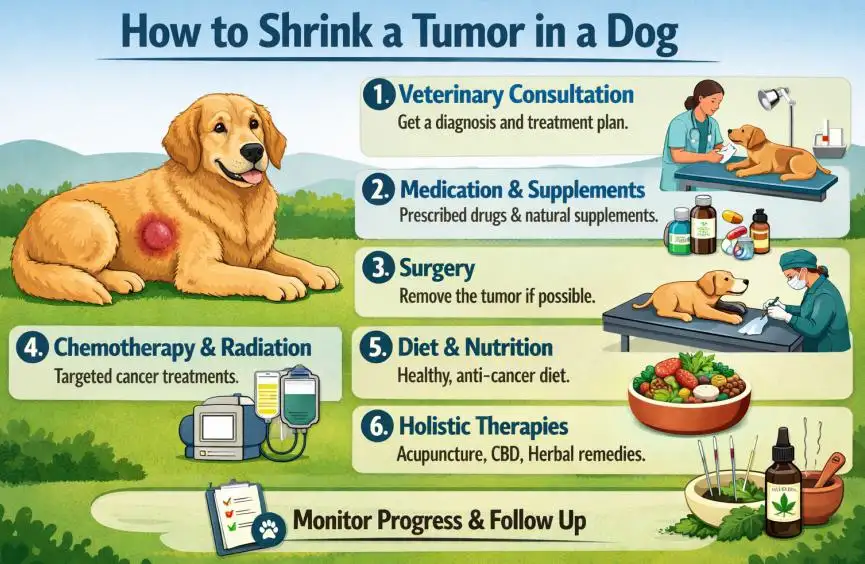
Treatment depends on tumor type, size, and spread:
-
Surgical removal: Most common and effective option
-
Spaying: Often recommended alongside surgery
-
Chemotherapy: Used for aggressive or metastatic tumors
-
Palliative care: Focuses on comfort in advanced cases
Your veterinarian will tailor the treatment plan to your dog’s specific condition.
Prevention and Lifestyle Recommendations
While not all cases are preventable, you can significantly reduce the risk:
-
Spay your dog early
-
Maintain a healthy weight
-
Provide a balanced, high-quality diet
-
Perform monthly at-home checks
-
Schedule regular veterinary visits
Prevention starts with informed, proactive care.
Prognosis and Survival Rates
The prognosis varies based on tumor type and stage:
| Condition | Estimated Prognosis |
|---|---|
| Benign tumors | Excellent after surgery |
| Small malignant tumors | Good with early treatment |
| Large or metastatic tumors | Guarded to poor |
Early intervention often leads to long-term survival and good quality of life.
Latest Research and Innovations
Veterinary oncology continues to advance with promising developments, including:
-
Targeted chemotherapy drugs
-
Improved imaging for early detection
-
Genetic studies to identify high-risk dogs
-
Immunotherapy trials
These innovations aim to improve survival rates and reduce treatment side effects.
Coping and Support for Patients
A cancer diagnosis can be emotionally challenging. Supporting your dog includes:
-
Providing a calm, comfortable environment
-
Managing pain and side effects
-
Maintaining routines when possible
-
Seeking guidance from veterinary oncologists
-
Connecting with pet cancer support communities
Your love and presence play a vital role in your dog’s well-being.
Conclusion
So, can dogs get breast cancer? Unfortunately, yes—but knowledge is your strongest tool. With early detection, proper treatment, and preventive measures like spaying, many dogs go on to live happy, comfortable lives. Staying informed and attentive can truly make all the difference.
FAQ
1. Can dogs get breast cancer if they are spayed?
Yes, but the risk is significantly lower, especially if spayed before the first heat cycle.
2. Is breast cancer in dogs always fatal?
No. Many cases, particularly when caught early, are treatable with a good prognosis.
3. How fast do mammary tumors grow in dogs?
Growth rates vary. Some tumors grow slowly, while others can enlarge rapidly.
4. Can male dogs get breast cancer?
It is extremely rare but possible.
5. How often should I check my dog for lumps?
Monthly checks at home, along with regular vet visits, are recommended.