Cancer Fighting Foods for Dogs: A Complete Guide to Nutrition, Prevention, and Support

Cancer is one of the most common and challenging health conditions affecting dogs, especially as they age. While veterinary treatments such as surgery, chemotherapy, and radiation play a crucial role, nutrition is increasingly recognized as an important supportive factor. Many pet owners are now searching for cancer fighting foods for dogs to help strengthen their dog’s immune system, improve quality of life, and potentially slow disease progression.
Understanding which foods may support dogs battling cancer empowers you to take an active role in your pet’s care. This article provides a comprehensive, science-informed guide to cancer fighting foods for dogs, covering causes, symptoms, diagnosis, treatment options, and the latest research, all while helping you make confident, responsible dietary choices for your canine companion.
Overview of Cancer Fighting Foods for Dogs
Cancer fighting foods for dogs are natural foods that contain antioxidants, anti-inflammatory compounds, high-quality proteins, and healthy fats that may help support the body during cancer. These foods are not cures, but they can complement veterinary treatment by supporting immune health, maintaining body weight, and reducing inflammation.
Nutrition tailored to a dog with cancer often focuses on reducing excess carbohydrates, providing easily digestible proteins, and incorporating ingredients rich in phytonutrients. Always consult your veterinarian before making dietary changes, especially if your dog has an active cancer diagnosis.
Types of Cancer in Dogs and Nutritional Considerations
Different cancers affect the body in different ways, and nutrition strategies may vary depending on the type and stage of cancer.
Common Types of Canine Cancer
| Cancer Type | Commonly Affected Areas | Nutritional Focus |
|---|---|---|
| Lymphoma | Lymph nodes, spleen | High-quality protein, omega-3 fats |
| Osteosarcoma | Bones | Anti-inflammatory foods, antioxidants |
| Mast Cell Tumors | Skin, organs | Immune-supportive nutrients |
| Hemangiosarcoma | Spleen, heart | Easily digestible, nutrient-dense foods |
| Mammary Cancer | Mammary glands | Balanced diet, weight management |
Cancer fighting foods for dogs are often selected to support these specific needs while minimizing digestive stress.
Causes and Risk Factors of Cancer in Dogs
Cancer in dogs develops due to a combination of genetic, environmental, and lifestyle factors. While diet alone does not cause cancer, long-term nutritional imbalances may influence overall health.
Key Risk Factors
-
Aging and genetic predisposition
-
Exposure to environmental toxins
-
Chronic inflammation
-
Obesity and poor diet quality
-
Hormonal influences, such as lack of spaying or neutering
A nutrient-rich diet that includes cancer fighting foods for dogs may help reduce inflammation and support long-term health.
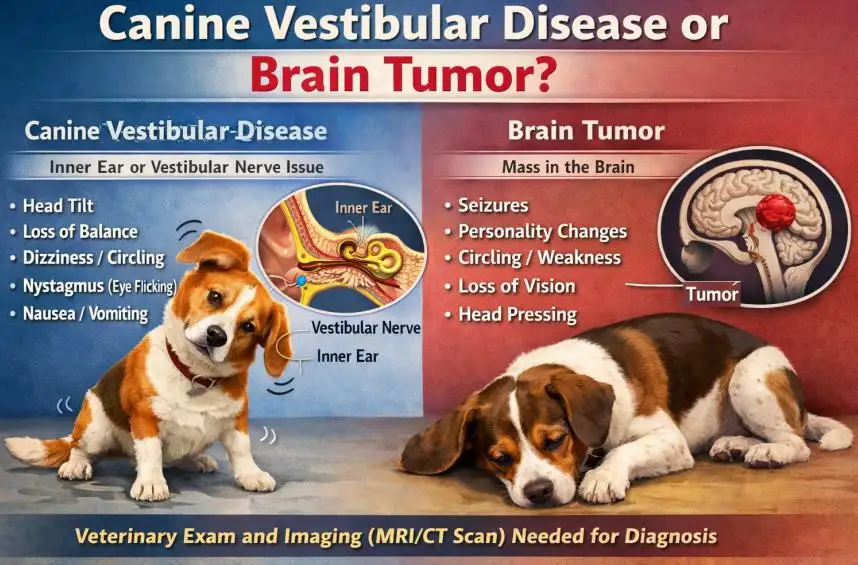
Symptoms and Early Warning Signs
Early detection significantly improves outcomes. Knowing the warning signs allows you to seek veterinary care promptly.
Common Symptoms of Cancer in Dogs
-
Unexplained weight loss
-
Loss of appetite or changes in eating habits
-
Lumps or swelling
-
Persistent fatigue or lethargy
-
Vomiting, diarrhea, or changes in bowel habits
-
Difficulty breathing or coughing
If these signs persist, a veterinary evaluation is essential before making dietary changes.
Diagnosis of Cancer in Dogs
Veterinarians use several diagnostic tools to confirm cancer and assess its severity.
Diagnostic Methods
-
Physical examination and medical history
-
Blood tests and urinalysis
-
Imaging such as X-rays, ultrasound, or CT scans
-
Biopsy or fine needle aspiration
Once a diagnosis is confirmed, nutrition plans including cancer fighting foods for dogs can be discussed as part of supportive care.
Treatment Options and the Role of Nutrition
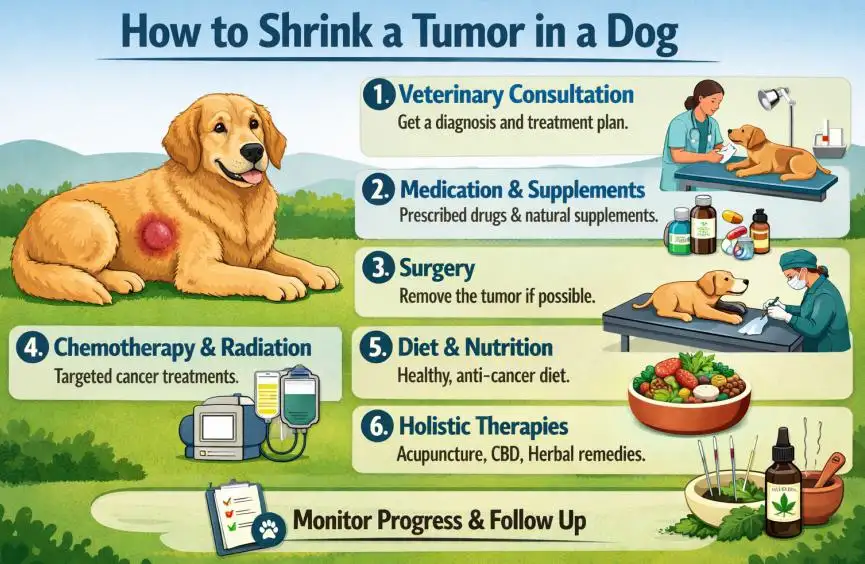
Cancer treatment often requires a multimodal approach. Nutrition plays a supportive role alongside medical therapy.
Standard Treatment Options
-
Surgery to remove tumors
-
Chemotherapy
-
Radiation therapy
-
Immunotherapy
How Nutrition Supports Treatment
Cancer fighting foods for dogs may help maintain muscle mass, reduce inflammation, and improve energy levels during treatment. Diets are often adjusted to be calorie-dense and highly digestible.
Cancer Fighting Foods for Dogs
The following table highlights commonly recommended foods and their potential benefits.
| Food | Key Nutrients | Potential Benefits |
|---|---|---|
| Blueberries | Antioxidants | Supports immune health |
| Broccoli | Sulforaphane | May help detoxification |
| Turmeric | Curcumin | Anti-inflammatory properties |
| Salmon | Omega-3 fatty acids | Supports immune response |
| Spinach | Vitamins A, C, E | Cellular protection |
| Pumpkin | Fiber, beta-carotene | Digestive support |
These cancer fighting foods for dogs should be prepared safely and introduced gradually.
Prevention and Lifestyle Recommendations
While not all cancers can be prevented, lifestyle choices may reduce overall risk.
Preventive Strategies
-
Feed a balanced, high-quality diet
-
Maintain a healthy weight
-
Provide regular exercise
-
Limit exposure to toxins
-
Schedule routine veterinary check-ups
Incorporating cancer fighting foods for dogs into a long-term diet may support overall wellness.
Prognosis and Survival Rates
Prognosis depends on cancer type, stage, and treatment response. Some cancers are highly treatable, while others are more aggressive.
Factors Influencing Prognosis
-
Early detection
-
Tumor type and location
-
Overall health and nutrition
-
Response to treatment
Proper nutrition does not replace treatment but can positively influence comfort and quality of life.
Latest Research and Innovations
Research into canine cancer nutrition is ongoing. Recent studies focus on metabolic therapy, reduced carbohydrate diets, and the role of omega-3 fatty acids in managing inflammation.
Emerging evidence suggests that targeted nutrition plans incorporating cancer fighting foods for dogs may enhance supportive care when combined with veterinary treatment.
Coping and Support for Pet Owners
A cancer diagnosis can be emotionally overwhelming. Supporting your dog also means caring for yourself.
Practical Support Tips
-
Work closely with your veterinarian
-
Keep a nutrition and symptom journal
-
Seek support from pet cancer support groups
-
Focus on quality of life and comfort
Nutrition can become a meaningful way to stay actively involved in your dog’s care.
Conclusion
Cancer is a complex disease, but a thoughtful approach that combines veterinary care, emotional support, and proper nutrition can make a meaningful difference. Cancer fighting foods for dogs are not a cure, but they can play a valuable supportive role in maintaining strength, comfort, and overall well-being. By staying informed and proactive, you can provide your dog with compassionate, comprehensive care throughout their journey.
Frequently Asked Questions (FAQ)
1. Can cancer fighting foods cure cancer in dogs?
No. These foods do not cure cancer, but they may support overall health and complement medical treatment.
2. Are homemade diets safe for dogs with cancer?
Homemade diets can be beneficial if properly balanced. Always consult a veterinarian or veterinary nutritionist.
3. Should carbohydrates be avoided in dogs with cancer?
Many vets recommend reducing excess carbohydrates, but individual needs vary.
4. How quickly should dietary changes be made?
Changes should be gradual to avoid digestive upset and should be guided by a professional.
5. Can puppies benefit from cancer fighting foods for dogs?
While cancer is rare in puppies, a balanced, nutrient-rich diet supports lifelong health and prevention.