Symptoms of Dog Dying from Cancer: Early Warning Signs, Care Options, and What Owners Should Know

Cancer is one of the leading causes of death in dogs, especially in senior pets. For many dog owners, recognizing the symptoms of dog dying from cancer can be emotionally overwhelming, yet early awareness plays a critical role in ensuring comfort, timely medical decisions, and quality of life for their beloved companion.
Understanding the progression of cancer and its final stages allows owners to better support their dogs physically and emotionally. This article provides a comprehensive, guide covering causes, types, symptoms, diagnosis, treatment options, prognosis, and coping strategies, helping you navigate this difficult journey with clarity and compassion.
Overview
Canine cancer refers to the uncontrolled growth of abnormal cells in a dog’s body. These cells may form tumors, invade surrounding tissues, or spread to other organs. While not all cancers are immediately fatal, advanced or aggressive forms often lead to a decline in health, eventually showing clear signs that a dog is nearing the end of life.
Recognizing the symptoms of dog dying from cancer is essential for making informed decisions regarding treatment, palliative care, or humane euthanasia.
Types of Cancer in Dogs
Different cancers progress differently, and symptoms may vary depending on the type and affected organ.
Common Types of Canine Cancer
| Type of Cancer | Affected Area | Key Characteristics |
|---|---|---|
| Lymphoma | Lymph nodes | Swelling, lethargy, weight loss |
| Osteosarcoma | Bones | Severe pain, lameness |
| Hemangiosarcoma | Blood vessels | Sudden collapse, internal bleeding |
| Mammary tumors | Mammary glands | Lumps, ulceration |
| Melanoma | Skin/mouth | Pigmented masses, oral pain |
Causes and Risk Factors
Cancer in dogs often develops due to a combination of genetic, environmental, and lifestyle factors.
Major Risk Factors
-
Advanced age
-
Certain breeds (Golden Retrievers, Boxers, German Shepherds)
-
Exposure to toxins or secondhand smoke
-
Poor diet and obesity
-
Chronic inflammation or infections
While not all cases are preventable, understanding risk factors helps with early screening.
Symptoms and Early Warning Signs
The symptoms of dog dying from cancer often become more pronounced in advanced stages. However, early warning signs may appear months before.
Early Symptoms
-
Persistent fatigue and lethargy
-
Loss of appetite
-
Unexplained weight loss
-
Non-healing wounds
-
Lumps or swelling
Late-Stage and End-of-Life Symptoms
| Symptom | What It Indicates |
|---|---|
| Severe weakness | Organ failure or systemic spread |
| Difficulty breathing | Lung involvement or fluid buildup |
| Loss of bladder/bowel control | Neurological decline |
| Extreme pain or restlessness | Advanced disease progression |
| Withdrawal from family | Reduced quality of life |
These signs strongly suggest a dog may be approaching the final stages of cancer.
Diagnosis
Veterinarians use a combination of tools to confirm cancer and determine its stage.
Diagnostic Methods
-
Physical examination
-
Blood tests
-
X-rays and ultrasound
-
Biopsy or cytology
-
CT scan or MRI
Accurate diagnosis helps guide treatment and end-of-life care decisions.
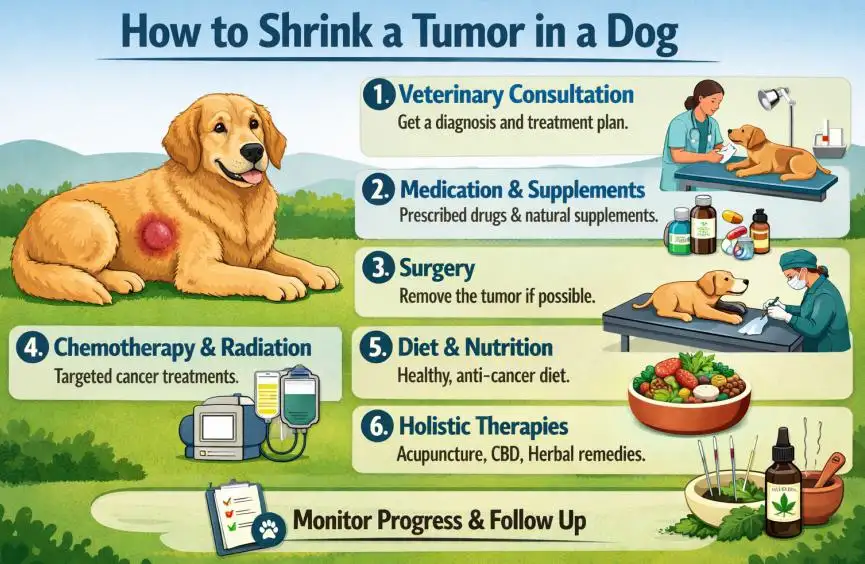
Treatment Options
Treatment depends on cancer type, stage, and the dog’s overall health.
Common Treatments
-
Surgery to remove tumors
-
Chemotherapy
-
Radiation therapy
-
Immunotherapy
-
Palliative care for pain management
In late stages, treatment often focuses on comfort rather than cure.
Prevention and Lifestyle Recommendations
While cancer cannot always be prevented, certain steps may reduce risk and improve overall health.
Preventive Measures
-
Regular veterinary check-ups
-
Balanced, high-quality diet
-
Maintaining a healthy weight
-
Limiting exposure to toxins
-
Early spaying/neutering (for certain cancers)
A healthy lifestyle can support longevity and early detection.
Prognosis and Survival Rates
Prognosis varies widely depending on cancer type and stage.
General Survival Insights
| Cancer Stage | Expected Outcome |
|---|---|
| Early-stage | Months to years with treatment |
| Advanced-stage | Weeks to months |
| Terminal stage | Days to weeks |
When evaluating the symptoms of dog dying from cancer, quality of life becomes more important than survival time alone.
Latest Research and Innovations
Veterinary oncology continues to advance with promising developments.
Emerging Innovations
-
Targeted therapies
-
Cancer vaccines
-
Genetic testing for early detection
-
Improved pain management protocols
These innovations aim to extend life expectancy and improve comfort.
Coping and Support for Patients
Supporting a dog in the final stages of cancer is emotionally challenging for owners.
How to Support Your Dog
-
Maintain a calm, familiar environment
-
Provide soft bedding and easy access to water
-
Follow pain management plans
-
Spend quality time and offer reassurance
Owners should also seek emotional support from veterinarians, pet counselors, or support groups.
Conclusion
Recognizing the symptoms of dog dying from cancer allows owners to act with compassion, ensuring dignity and comfort during a dog’s final days. While cancer is a devastating diagnosis, informed decisions, supportive care, and emotional presence can make a profound difference for both the dog and the family.
If you notice concerning symptoms, consult your veterinarian promptly to discuss the best path forward.
FAQ
1. What are the most common symptoms of dog dying from cancer?
Common symptoms include extreme lethargy, loss of appetite, difficulty breathing, severe pain, and withdrawal from interaction.
2. How long can a dog live after showing late-stage cancer symptoms?
In most cases, survival ranges from days to a few weeks, depending on cancer type and supportive care.
3. Is euthanasia the only option at the end stage?
Not always. Some owners choose palliative care, but euthanasia may be considered when quality of life is severely compromised.
4. Can dogs feel pain when dying from cancer?
Yes, advanced cancer can cause significant discomfort, which is why pain management or humane euthanasia is often recommended.
5. How can I tell if my dog’s quality of life is poor?
Signs include inability to eat, persistent pain, lack of mobility, and loss of interest in surroundings.